




What is a Mobile Proxy IP? Benefits and Advantages for mostlogin Users



Clean IP picks: Static IPs from $1.5 each, Dynamic IPs from $0.5/GB


In scenarios such as big data analysis, cross-border e-commerce, advertising delivery, and network security testing, proxy IPs are the most basic and indispensable tools. Among the various types of proxy IPs, mobile proxy IPs have gained increasing attention in recent years, with some even claiming that they are the proxy method closest to the real user network environment.
So what exactly is a mobile proxy IP? And what advantages does it have compared to residential IPs and data center IPs? Today we will give you an in-depth explanation!

1. What is a Proxy IP?
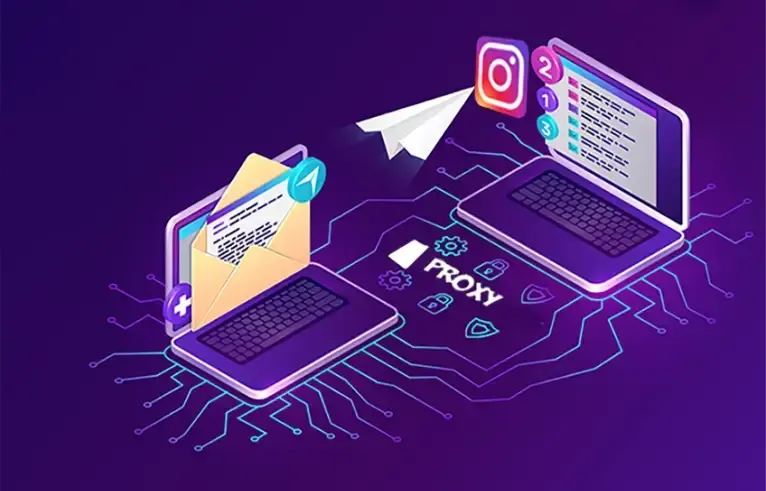
Simply put, a proxy IP allows your network to access other servers through an intermediate node. When accessing the internet via a proxy IP, the request first goes through the proxy server, which then initiates the access to the target website. In this way, the website sees the IP address provided by the proxy instead of the user's actual IP.
Proxy IPs are usually used to achieve the following purposes:
• Change or hide the source of the original IP
• Simulate access from different regions and network environments
• Distribute access sources to reduce the pressure on a single IP
• Improve access stability and success rate
2. What is aMobile Proxy IP?
A mobile proxy IP refers to an IP address allocated by mobile network operators (such as 4G/5G) for use on mobile terminals like smartphones and tablets.
Unlike home broadband, mobile networks have the following characteristics:
• A large number of users share the same IP pool
• IP addresses change relatively frequently
• Network switching is more frequent (base station switching, signal changes)
Mobile proxy IPs are based on real mobile network environments. Many proxy providers integrate these IP resources in compliance with regulations before providing them to users. From the server's perspective, such IPs are almost indistinguishable from access by real mobile phone users, so they have a very high level of credibility.
3. Differences Between Mobile Proxy IPs and Other Proxy Types
To better understand the positioning of mobile proxy IPs, we can briefly compare them with several common proxy types:
• Data Center IPs: Originating from cloud servers or computer rooms, they offer high speed but have obvious characteristics and are easy to identify.
• Residential Proxy IPs: Derived from home broadband, they have high authenticity and good stability, making them suitable for long-term use.
• Mobile Proxy IPs: Coming from mobile operator networks, they feature natural IP changes and high sharing rates, making them the closest to real mobile users.
Due to their inherent characteristics of natural variation and group sharing, mobile proxy IPs often have a higher tolerance threshold in risk control systems.
4. Comparison Table of Mobile Proxy IPs vs. Other Proxy IPs
| Comparison Dimension | Data Center IP | Residential Proxy IP | Mobile Proxy IP |
|---|---|---|---|
| IP Source | Cloud Servers / Computer Rooms | Home Broadband | 4G / 5G Mobile Operators |
| Network Authenticity | Low | High | Very High |
| IP Change Frequency | Low | Medium | High & Natural |
| Sharing Level | Low | Low | High (NAT Mechanism) |
| Risk Control Tolerance | Low | High | Very High |
| Mobile Compatibility | Poor | Average | Excellent |
| Detection Risk | High | Low | Very Low |
| Suitable Scenarios | Technical Testing | Long-term Accounts | High-risk Control, Mobile Scenarios |
5. Core Advantages of Mobile Proxy IPs
1. Extremely High Network Authenticity
Mobile proxy IPs come from real 4G/5G networks. From the perspective of target websites, the access behavior is almost identical to that of ordinary mobile phone users. This level of authenticity is difficult for data center IPs to achieve.
2. IP Sharing Mechanism with Strong Anti-risk Control Capability
Mobile networks usually adopt the NAT sharing mechanism, where a single IP may correspond to hundreds or thousands of real users. In such cases, it is difficult for websites to impose strict restrictions on a single IP, as this would easily affect a large number of normal users.
3. Natural IP Changes, Not Easy to Be Identified
When mobile devices undergo signal switching, network fluctuations, base station handovers, or network reconnections, their IP addresses are likely to change. Therefore, the IP replacement behavior of mobile proxy IPs is more in line with real usage scenarios.
4. Wide Coverage, Suitable for Multi-region Access
Mobile operator networks have extremely wide coverage, enabling easy simulation of real mobile user access environments in different countries or regions, which is particularly suitable for cross-regional business needs.
5. More User-friendly for Accounts and Operations
In some systems with high requirements for user authenticity, mobile IPs are often regarded as low-risk sources, making them more suitable for account-related operations and long-term task execution.
6.Which Application Scenarios Are Mobile Proxy IPs Suitable For?
Mobile proxy IPs are commonly used in the following scenarios:
• Market analysis and operation testing for cross-border e-commerce platforms
• Advertising delivery effect verification and regional display testing
• Mobile user experience and function testing
• Big data and public information collection
• Network security and risk control strategy testing
The common feature of these scenarios is the need for highly authentic, distributed, and natural access sources.
7. What to Note When Using Mobile Proxy IPs?
We recommend paying attention to the following points:
• Choose compliant and stable service providers
• Verify the authenticity of IP sources
• Set reasonable usage strategies based on business scenarios
• Avoid abnormally high-frequency operations or those that do not conform to user logic
Proxy IPs are just tools; rational use is the key.
Conclusion
Mobile proxy IPs are not a one-size-fits-all solution, but they do have better performance and advantages in terms of authenticity, anti-risk control capability, and mobile scenario adaptability—provided that you choose a reliable IP proxy provider.IPDEEP is a top-tier provider with over 10 million high-quality IP resources (including dynamic residential IPs, dynamic data center IPs, mobile proxy IPs, static residential IPs, static data center IPs, etc.), capable of providing localized IP solutions tailored to your diverse needs.