




Singapore Proxy IP: Best Proxy for High-Concurrency Scraping



Clean IP picks: Static IPs from $1.5 each, Dynamic IPs from $0.5/GB


In today's big data era, efficient and stable data scraping has become the key for enterprises to gain a competitive advantage.
Particularly for the Asia-Pacific market, Singapore proxy IPs, with their unique geographical location and mature network infrastructure, have become the top choice for many cross-border e-commerce merchants, market researchers, and SEO professionals.
From a professional perspective, this article explores how to utilize Singapore proxy IPs to achieve high-concurrency data scraping and analyzes the essential points involved.

Why Choose Singapore IP Addresses for Data Collection?
As the information hub of the Asia-Pacific region, Singapore offers abundant network bandwidth and extremely low latency.
When conducting data scraping, selecting a Singapore IP address allows you to enjoy the following distinct advantages:
Blazing-Fast Access & Low Latency:
When your scraping server is deployed on an Asia-Pacific overseas node, using a local Singapore IP to access local e-commerce or information websites ensures a short data transmission distance. The average latency is typically below 50ms, which vastly improves data collection efficiency.
Overcoming Geo-restrictions: Many platforms in the Asia-Pacific region provide differentiated content based on the user's IP. Using a native Singapore IP allows you to obtain the most accurate local product prices, search rankings, and promotional information.
Reduced Risk of Banning: Compared to frequent cross-region access from non-local IPs, local IPs better align with the platform's normal anti-fraud logic, making them much less likely to be flagged as anomalous traffic.
What Role Do Singapore Residential IPs Play in High-Concurrency Scenarios?
In high-concurrency data collection tasks, datacenter IPs are often blocked in bulk by target websites due to their prominent, easily identifiable footprints. At this point, the value of Singapore residential IPs becomes highly evident.
Real User Simulation: Singapore residential IPs are genuine home broadband addresses assigned by local ISPs (Internet Service Providers) to household users.
Because the behavior behind these proxies closely mirrors that of real local residents, target websites find it exceptionally difficult to identify them as automated scraping programs.
Massive Dynamic IP Pool: High-concurrency scraping implies the need to launch thousands of requests within a very short timeframe.
By leveraging a dynamic residential IP pool packed with tens of millions of resources, the system can achieve millisecond-level IP rotation, ensuring that each request originates from a distinct endpoint, thereby bypassing anti-scraping rate limits.
High Anonymity: Premium residential proxies effectively conceal the actual location of your data scraping server, safeguarding the security and privacy of your operational data.
Practical Strategies for Implementing High-Concurrency Scraping
To genuinely achieve stable and highly efficient high-concurrency scraping, relying solely on premium IP resources is not enough; it must be coupled with scientific data collection strategies:
Intelligent IP Rotation System: Configure your IP switching frequency based on business needs (such as rotating upon every request or every 5 minutes). This randomness effectively neutralizes the behavioral analysis mechanisms used by target websites.
Multi-protocol Support & Distributed Architecture: Utilizing a proxy network that supports mainstream protocols like HTTP/HTTPS/SOCKS5, combined with distributed proxy nodes, can spread the load across individual servers and significantly boost overall throughput.
Request Frequency & Behavior Simulation Control: Even when using highly anonymous proxies, you should still implement randomized request intervals (e.g., randomizing via time.sleep) and disguise your Header information (such as the User-Agent) to make scraping behavior appear more organic and gentle.
Real-Time Availability Monitoring: During high-concurrency operations, real-time monitoring of the proxy IP availability rate should be integrated to promptly eliminate failing nodes, preventing the program from hanging due to timeouts.
How to Select a Reliable Singapore Proxy IP Provider?
A qualified, enterprise-grade proxy service provider should possess the following characteristics:
Resource Scale: Maintaining a high-quality global IP pool of tens of millions of resources, including robust nodes across Singapore.
Stability: Committing to a 99.9% uptime rate capable of sustaining high-concurrency calls without crashing.
Technical Support: Offering professional customer service and technical guidance capable of rapidly responding to and resolving connection timeouts or authentication failures.
As an industry-leading provider, IPDEEP delivers ultra-clean Singapore residential proxies, supporting extraction via both API and user/password authentication. These are widely applied in scenarios such as e-commerce data monitoring, social media management, and SEO optimizations.
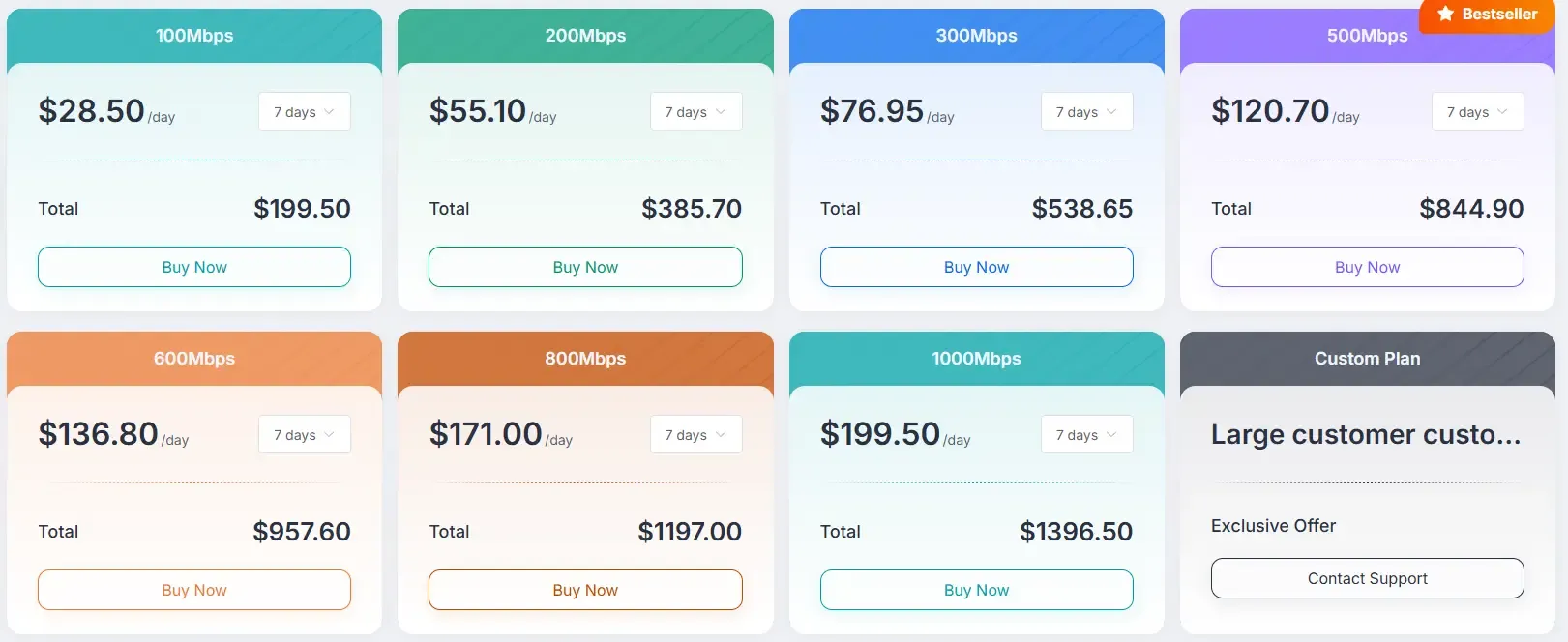
For more detailed technical specifications and package options regarding Singapore proxy IPs, feel free to visit the official IPDeep Website.
Frequently Asked Questions (FAQ)
1. Is a local Singapore IP mandatory for scraping Singapore e-commerce data?
Yes. Utilizing a local IP not only guarantees the fastest response times but also ensures you capture localized SEO ranking metrics and market-specific product details intended directly for the Singapore audience. At the same time, it substantially limits the risk of triggering the platform's anti-scraping firewalls.
2. Which is better suited for high-concurrency scraping: dynamic residential IPs or static residential IPs?
Dynamic residential IPs are generally recommended. High-concurrency operations necessitate frequent shifting of exit IPs to circumvent rate blocks; dynamic IP pools provide automated, millisecond-level rotation capabilities perfectly tailored for large-scale data harvesting.
3. Does IPDEEP provide a free trial for Singapore proxy IPs?
Yes, it does. Newly registered users can contact customer support to receive a 200MB dynamic residential IP data package for functional testing, allowing you to verify its stability and speeds within your target environment.
4. When conducting high-concurrency scraping, how can I further reduce the ban rate?
It is recommended to deploy a combined solution of "large-scale dynamic residential IP rotation + macro high-concurrency, micro single-IP low frequency."
By executing a strict "one request, one IP change" rotation, massive volumes of requests are instantly distributed across completely different home internet lines.
This ensures the request frequency on any single IP remains incredibly low with elongated intervals, which—when paired with custom-tailored real request headers—massively drops block rates.
When extracting data, you must strictly adhere to the following baseline compliance principles:
Always inspect the target website's Robots.txt protocol before starting your scripts.
Avoid placing undue load on the target host servers; always simulate normal human browsing paces.
Never touch data that requires user authentication logins, cracked authentication walls, or contains private personal identifiers.
Scraped information must strictly serve analytical purposes and must never be directly monetized, publicly duplicated, or used for unfair market competition.