




Japan Dynamic IP Buying Guide: Prices & Types 2026



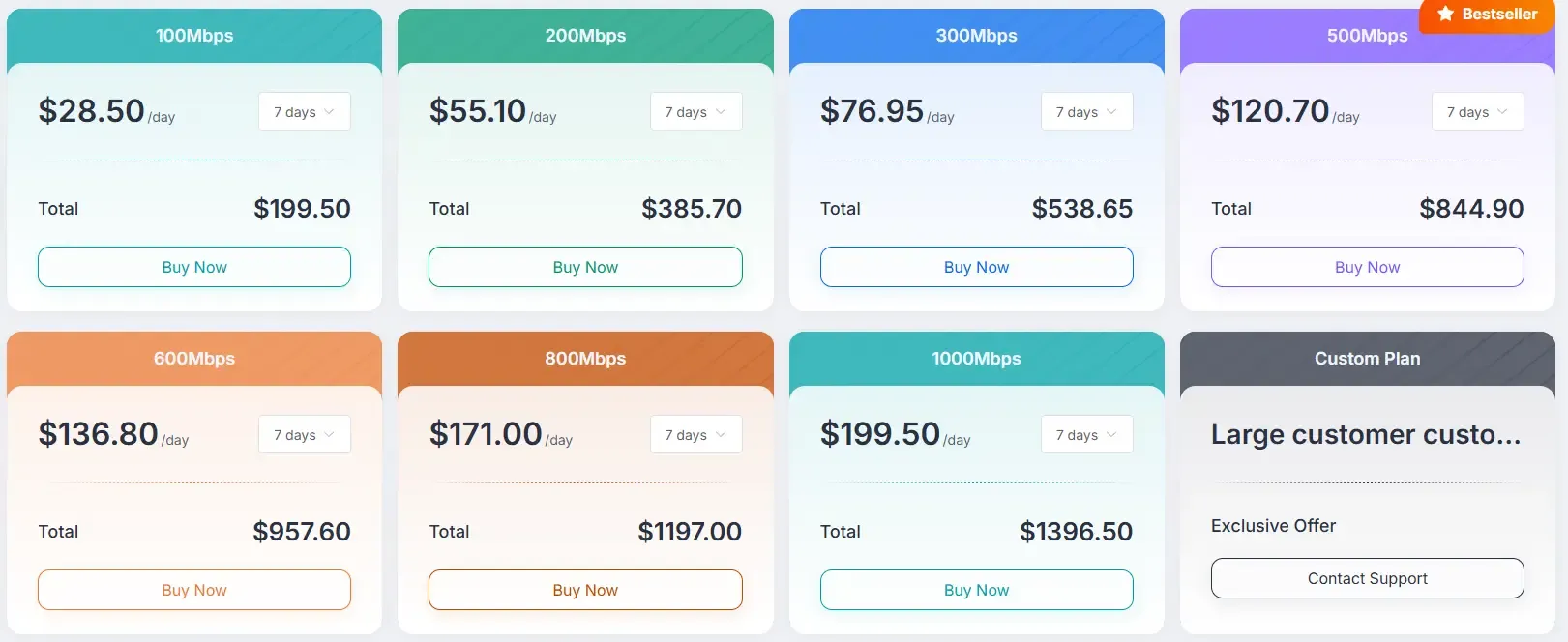
Clean IP picks: Static IPs from $1.5 each, Dynamic IPs from $0.5/GB


In cross-border e-commerce, data scraping, and localization projects, Japan dynamic IPs have become a high-demand resource. Before making a purchase, many users usually have the following questions:
• Are Japan dynamic IPs the same as Japan residential IPs?
• Are dynamic IPs always better than static IPs?
• How can I determine whether the IP quality is stable?
• What should beginners pay attention to when buying for the first time?
• Why are some Japan IPs very cheap while others are expensive?
This guide will walk you through the key differences, pricing logic, and practical tips to help you choose truly reliable Japan dynamic IP resources.

1. What Is a Japan Dynamic IP?
Simply put, a Japan dynamic IP is a Japan-based proxy IP that automatically rotates its IP address.
Unlike a static IP that remains fixed, a dynamic IP changes automatically after each request or at set time intervals.
In real-world business scenarios, it is commonly used for:
• Multi-account operations
• Automated data scraping
• Localized content publishing
• Cross-border platform account management
If your business requires frequent IP rotation, dynamic IPs are usually the better choice.
2. What Business Scenarios Are Japan Dynamic IPs Suitable For?
Before purchasing Japan dynamic IPs, you should first determine whether they fit your needs.
1. Multi-Account Management
If you operate multiple Japan-based accounts (e-commerce, social media, platform accounts, etc.), using the same IP can easily trigger account linkage detection. The rotation mechanism of dynamic IPs helps reduce this risk.
2. Localization Testing
For example, testing how Japanese websites display or how ads perform locally. Dynamic IPs are generally safer than static IPs for such tasks.
3. Data Scraping / Crawling Projects
When access frequency is high, fixed IPs are more likely to be blocked. Dynamic IPs distribute requests across different IPs, improving overall stability.
3. Types of Japan Dynamic IPs
Many people only focus on whether an IP is dynamic, but ignore the IP source type—which is often the key factor behind price differences.
1. Datacenter Dynamic IP
• Low cost
• Fast speed
• Suitable for large-scale scraping projects
2. Residential Dynamic IP
• High anonymity
• Real household network sources
• Ideal for account-related operations
3. Mobile Dynamic IP
• Higher trust level
• Usually the most expensive
• Sourced from Japanese mobile carriers
If your business involves account operations or long-term use, residential or mobile dynamic IPs are generally recommended.
Japan Dynamic IP Comparison
| Comparison | Datacenter Dynamic IP | Residential Dynamic IP | Mobile Dynamic IP |
|---|---|---|---|
| IP Source | Server data centers | Japanese home broadband | Japanese mobile carrier network |
| Anonymity | Medium | High | Very High |
| Stability | High | Relatively High | High |
| Detection Risk | Relatively High | Low | Very Low |
| Price Range | Low | Medium | High |
| Best For | Large-scale scraping | Multi-account operations | High-security account tasks |
| Recommendation | ⭐⭐ | ⭐⭐⭐⭐ | ⭐⭐⭐⭐⭐ |
📌 Recommendations:
1.If you have a limited budget and mainly focus on scraping, choose datacenter dynamic IPs;
2.For e-commerce or social media accounts, prioritize residential dynamic IPs;
3.For high-security requirements, consider mobile dynamic IPs.
4. Japan Dynamic IP Pricing Analysis
Market prices vary widely and are usually influenced by:
• IP pool size
• Whether the IPs are real residential sources
• API rotation support
• Billing model (by traffic / by IP count / by duration)
In general:
• Datacenter dynamic IPs are cheaper
• Residential dynamic IPs are mid-range
• Mobile dynamic IPs are the most expensive
If the price is significantly lower than market average, be cautious:
• High IP repetition rate
• Small actual IP pool
• Poor stability
• Heavy multi-user sharing
When buying, don’t just look at the price—pay attention to availability rate and block rate.
5. 5 Questions to Ask Before Buying Japan Dynamic IPs
1. Are the IPs genuine Japanese local exit IPs?
2. Do they support HTTP/SOCKS5 protocols?
3. Is IP whitelisting supported?
4. Is there trial traffic or testing available?
5. What is the average availability duration of a single IP?
6. Should You Choose Dynamic or Static IP?
Many users struggle with this decision.
A simple guideline:
• Long-term fixed login —— Static IP
• Frequent environment switching —— Dynamic IP
• Single account long-term stability —— Static IP preferred
• Multi-account / Automation —— Dynamic IP preferred
7. How to Choose a Reliable Japan Dynamic IP Provider?
Consider the following criteria:
• Large IP pool
• Transparent pricing model
• Genuine Japanese local exit nodes
• Responsive technical support
If stability is critical for your business, prioritize providers offering residential dynamic IPs with API management.
8. Summary
Japan dynamic IPs are not “the cheaper the better,” nor are dynamic IPs always superior to static IPs. What truly matters is:
• Matching your business scenario
• IP source quality
• Block rate control
• Stable rotation mechanism
Before purchasing, clearly define your needs, test performance, and then decide on a long-term plan.
There are many proxy providers on the market. If you're unsure which one to choose, you can try IPDEEP, a professional proxy IP provider offering dynamic, static, mobile, and datacenter IPs. With over 10 million IP resources covering 200+ countries and cities, 24/7 technical support, and 200MB free trial traffic for new users, it’s a solid option to consider.
9. FAQs
1. Are Japan dynamic IPs the same as Japan residential IPs?
No. “Dynamic” refers to whether the IP rotates automatically, while “residential” refers to the IP source type. A Japan dynamic IP can be residential or datacenter-based—these are different concepts.
2. How can I test if a Japan dynamic IP is stable?
You can evaluate it by:
• Average response time
• IP repetition rate
• Actual connection success rate
• Whether trial traffic is supported
3. Are Japan dynamic IPs always better than static IPs?
Not necessarily. For long-term fixed account logins, static IPs are more stable. For multi-account or automated operations, dynamic IPs are more suitable.
4. Should I test before purchasing Japan dynamic IPs?
Strongly recommended. No matter what type of IP you purchase, always test on a small scale before committing.
5. Why do Japan dynamic IP prices vary so much?
Price differences usually depend on:
• IP source (residential / datacenter / mobile)
• IP pool size
• Billing model
• API rotation support
• IP repetition rate
Lower-priced IPs are often heavily shared and less stable.