




2026 Korea Proxy IP Review: 3 Providers Worth Your Attention



Clean IP picks: Static IPs from $1.5 each, Dynamic IPs from $0.5/GB


In the 2026 cross-border e-commerce and global internet expansion landscape, South Korea stands out due to its superior network infrastructure and unique platform ecosystem (such as Coupang and Naver), attracting significant attention from international enterprises.
Whether you are managing local South Korean e-commerce operations, conducting social media marketing, or scraping localized market data, a stable, low-latency South Korean IP address is vital for business success.
Based on the latest 2026 network performance test data, user feedback, and market presence, this article reviews the most recommended South Korea proxy IP providers to assist you in your selection process.

Why South Korean IPs Require Special Consideration
South Korea's network environment is characterized by high bandwidth and low latency, but it also features sophisticated localized firewall mechanisms.
Standard datacenter IPs are easily identified and blocked by platforms like Naver and TikTok KR.
Therefore, in our 2026 evaluation, we emphasize the proportion of native residential IPs and the stability of the ISP.
2026 South Korea IP Provider Evaluation Overview
Below are the three notable providers based on our multi-dimensional evaluation:
1. IPDeep: The Choice for Balanced Value and Compliance
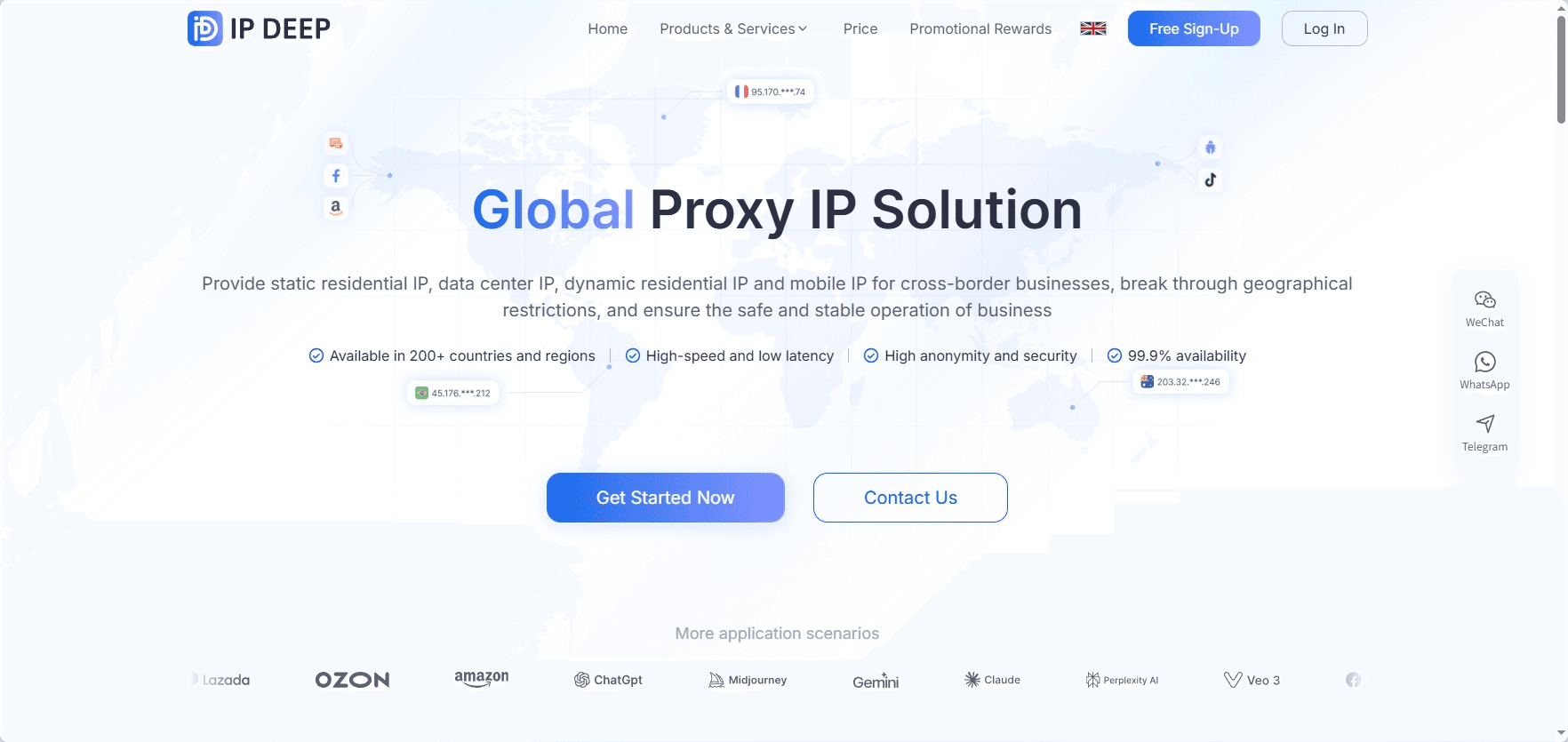
IPDeep offers premium South Korean proxy IP resources with city-level targeting capabilities. Its core competitive edge lies in the purity of its native South Korean residential IPs.
Speed Test: Low latency for local South Korean nodes and excellent performance for cross-border transmission.
Resource Types: Offers static residential, dynamic residential, datacenter, and mobile IPs.
Use Cases: Store anti-association for Amazon/Coupang and TikTok South Korea livestreaming.
Cost-Effectiveness: Competitive pricing with 200MB of free dynamic residential proxy traffic for new users. High retention rate for residential IP renewals, making it ideal for individuals and businesses seeking long-term stability.
2. Bright Data: Industrial-Grade Standard for Large-Scale Scraping
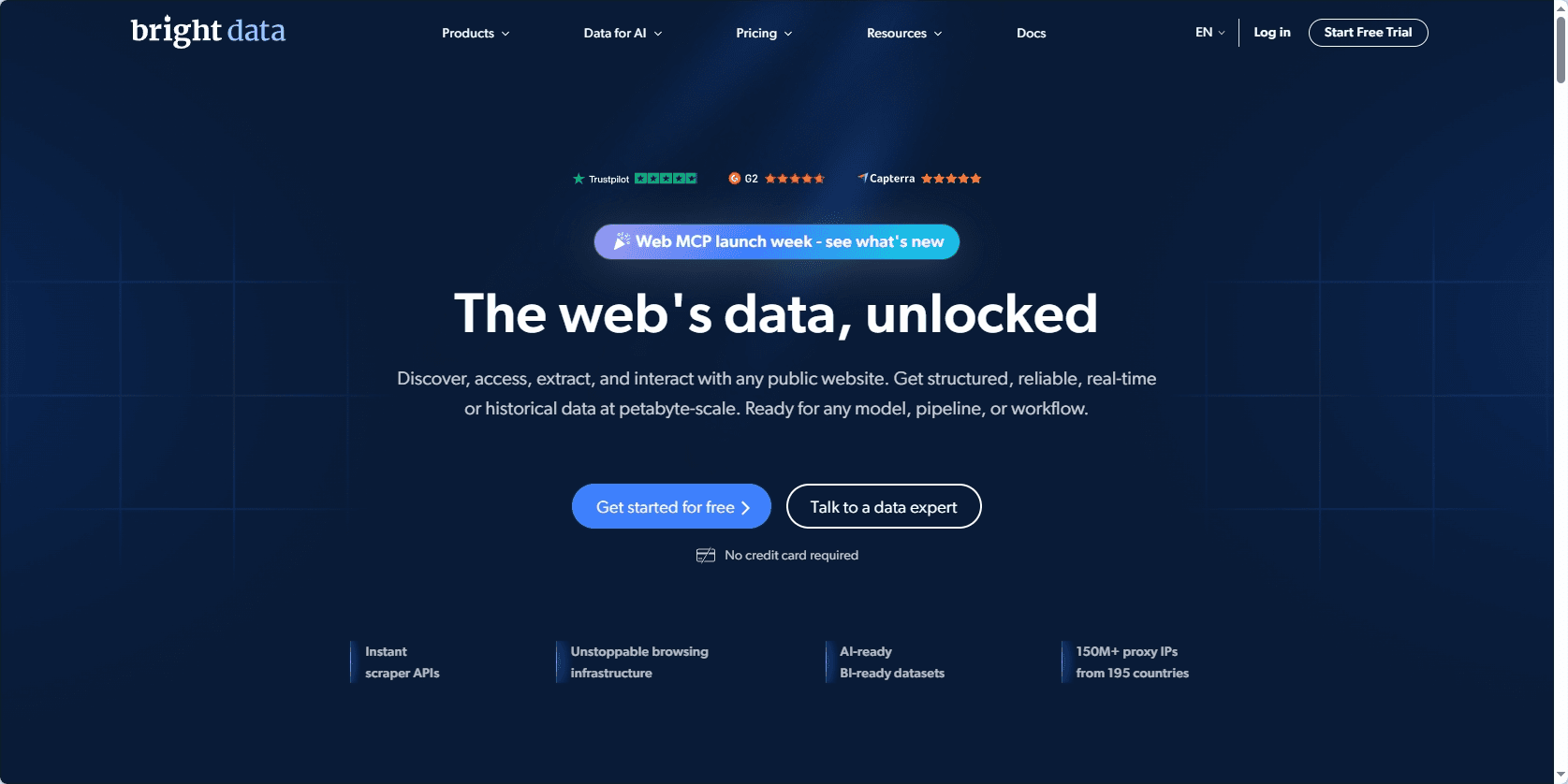
As a globally renowned proxy provider, Bright Data possesses a massive South Korean residential IP pool covering almost the entire country.
Stability: Highly mature infrastructure capable of supporting large-scale concurrent requests.
Functionality: Provides a powerful proxy manager and supports granular geographic targeting (down to South Korean cities).
Use Cases: Mass monitoring of competitor prices, SEO analysis, and complex data scraping.
Pricing: Higher entry threshold, best suited for enterprise users with ample budgets.
3. Oxylabs: High Performance and Enterprise-Grade Service
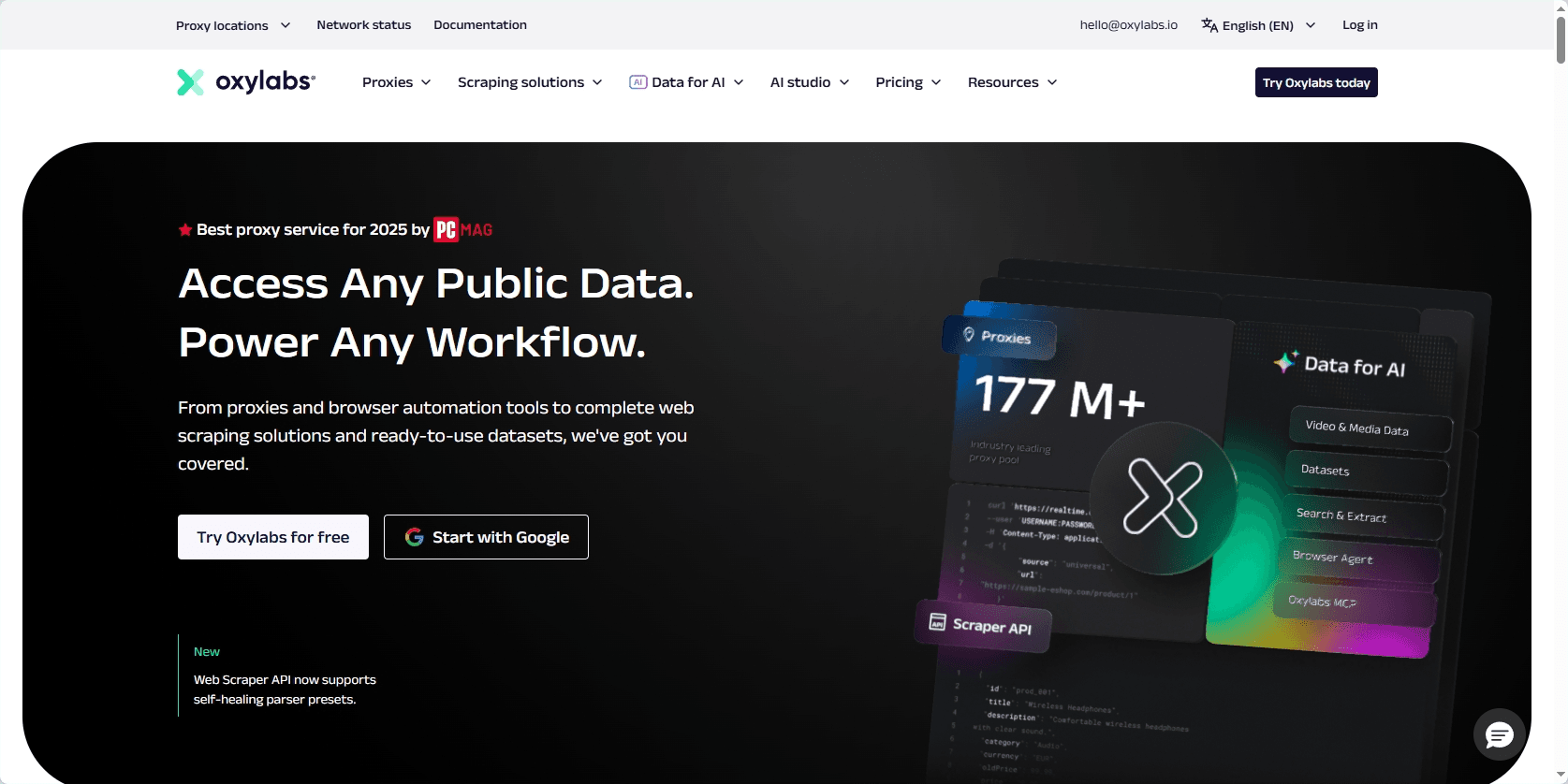
Oxylabs demonstrated high IP success rates in our 2026 evaluation, with South Korean nodes primarily composed of premium ISP proxies.
IP Purity: Stringent IP pool cleaning mechanisms ensure assigned IPs are free of blacklist records.
Technical Support: Offers 24/7 enterprise-level account manager support.
Use Cases: Automated scalping, secure logins for high-value accounts, and brand protection.
Pricing: Premium pricing makes the cost-to-performance ratio extremely low for low-frequency users or small personal studios.
South Korean IP Selection Guide: Static or Dynamic?
Static Residential IP
Features: Fixed IP address with high authority.
Best For: E-commerce backend logins (anti-association), long-term social media account nurturing, and tasks requiring a persistent identity.
Dynamic Residential IP
Features: Automatically switches IPs per connection, simulating high-volume real users.
Best For: Market data scraping, bypassing anti-bot detection, and large-scale ad verification.
Evaluation Conclusion: Which is Your Best Fit?
If you are an e-commerce seller or social media influencer needing to maintain fixed accounts reliably over the long term, IPDeep’s residential IPs offer the perfect balance between cost and stability.
Frequently Asked Questions (FAQ)
1. Can I use South Korean datacenter IPs to operate a Coupang store?
It is risky. Local South Korean platforms like Coupang have strict IP scrutiny. Datacenter IPs have distinct characteristics that easily trigger secondary reviews or direct bans. It is recommended to use more authentic South Korean residential IPs.
2. What is the typical latency for South Korean proxy IPs?
If you are accessing a South Korean proxy from mainland China, latency via direct lines is typically between 30ms - 80ms due to geographical proximity. For access within South Korea, latency is usually in the single digits.
3. Are dynamic IPs billed by traffic or monthly?
The majority of providers use a pay-per-traffic (GB) model for dynamic residential proxies, allowing for unlimited IP rotations.
4. How can I verify if the IP I purchased is truly "native South Korean"?
We suggest using professional IP detection tools to check if the ISP belongs to Korea Telecom (KT), SK Broadband, or LG U+.
Conclusion
When selecting a South Korea proxy IP, prioritize defining your business needs, then consider whether the IP originates from local carriers and evaluate the connection stability.
By 2026, the market offers various choices; you can filter the right service provider based on the evaluation data above.
South Korea Proxy IP Related Reading:
Entering the South Korean Market: Why Naver Marketing Needs Native Residential IPs
What is a South Korean Proxy IP? How to Buy Clean Residential IPs