




Entering Korea: Why Naver Marketing Needs Residential IPs



Clean IP picks: Static IPs from $1.5 each, Dynamic IPs from $0.5/GB


In the landscape of global cross-border e-commerce and digital marketing, the South Korean market has always been a primary target for brands expanding overseas, thanks to its exceptionally high internet penetration and robust purchasing power.
However, the South Korean internet ecosystem exhibits strong "insularity," with the Naver-centric traffic system creating an invisible barrier to entry.
To achieve sustained exposure within this ecosystem, South Korean Residential IPs are not just a basic tool; they directly dictate the stability of marketing accounts and the weight of your content.
The Uniqueness of South Korea's Internet Ecosystem: Naver Remains King
NAVER is South Korea's largest search engine and web portal, and the parent company of the messaging app LINE.
Within South Korea, Naver has deeply embedded itself into daily information gathering and consumer decision-making through a closed-loop ecosystem consisting of Search, Blogs, Cafes (communities), Knowledge iN, and Smart Store (e-commerce).
As of 2025, Naver's annual share of the South Korean search market has reached 62.86%, up 4.72 percentage points from the previous year, reclaiming the 60% milestone for the first time in three years.
For brands, Naver's Search Engine Results Page (SERP) is not a simple list of web rankings but a comprehensive display of various content sections.
Failure to gain high-authority exposure in Naver Blogs or Cafes effectively means missing out on over 60% of potential customers in the South Korean market.
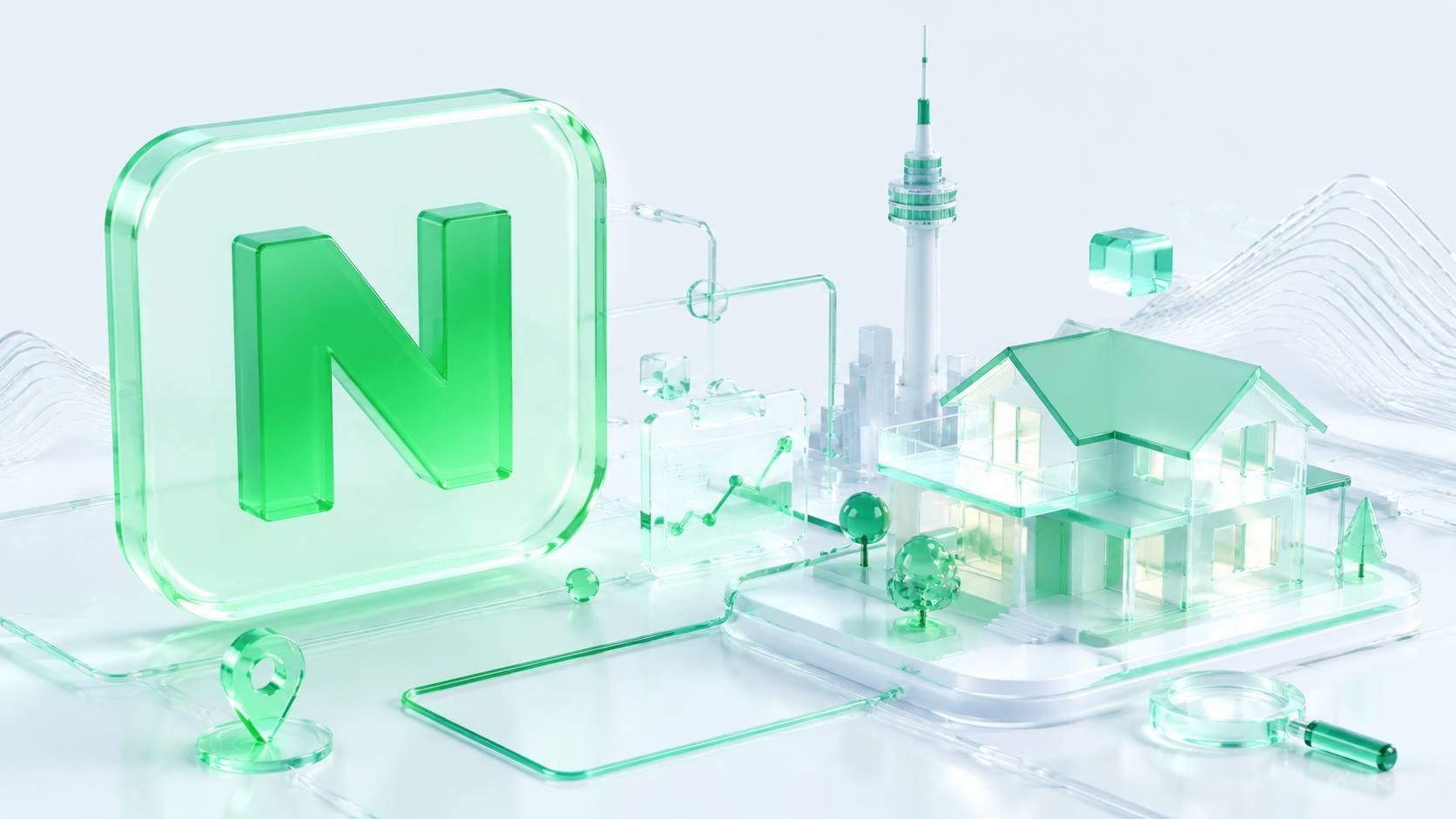
Why Does Naver Marketing Require South Korean Residential IPs?
1. Mimicking Real User Behavior
Naver's algorithms comprehensively evaluate the origin of IP segments and request patterns.
Native Residential IPs are assigned by local South Korean ISPs (such as KT, SK Broadband, LG U+) to ordinary households, making their network attributes identical to those of real local netizens.
Because Naver's risk control system is extremely sensitive to non-authentic user behavior, standard Data Center IPs (server IPs) frequently trigger CAPTCHA limits or lead to immediate account bans during registration, posting, or SEO operations.
2. Enhancing Account Stability and Retention
In the Naver ecosystem, newly registered accounts typically undergo an "observation period."
Using a Residential IP to log in leads the system to recognize the activity as that of a genuine local resident, helping to build a positive account reputation.
Field data shows that Naver accounts registered via data center IPs have a survival rate of less than 40%, whereas those using clean residential IPs can maintain a three-month survival rate of over 85%.
3. Obtaining an Authentic Local Search Perspective
Naver's search algorithm has a strong localization bias; content sections (such as local lifestyle info or shopping trends) adjust their display weights based on the user's IP location.
By utilizing South Korean residential IPs, marketers can access unfiltered, authentic search results, allowing them to craft keyword and content strategies that truly resonate with local trends.
Residential IP vs. Data Center IP: Key Differences
4 Practical Strategies to Optimize Naver Marketing
1. Deep Content Localization: Avoid Machine Translation
Avoid using tools like Papago or Google Translate for your copy, as Naver's algorithms can easily spot the hallmarks of machine-generated text.
It is recommended to log in via a residential IP first to study the title structures and honorific usage of top-tier Blogs in your industry.
Pay close attention to paragraph length and punctuation habits; for instance, Korean netizens often prefer periods over exclamation marks.
Additionally, monitor the frequency of honorific endings (-요, -습니다) to ensure your tone aligns with local reading intuition.
2. Account Isolation: One IP per Account
In large-scale operations, you must avoid sharing one IP across multiple accounts to prevent chain bans caused by association risks.
Assign a unique residential IP to each Naver account and use an anti-detect browser to keep hardware environments completely separate.
Currently, South Korean Static Residential IPs provided by IPDeep are priced between $4.25 and $5 per month—a fundamental investment for operational security.
3. Mimic Human Behavior to Erase Automation Traces
Naver is highly sensitive to immediate posting after registration or mass posting at fixed intervals.
New accounts should prioritize browsing and searching during the first few days. Posting times should be randomized rather than consistently scheduled on the hour.
Before publishing content, search for keywords and click on other organic results, dwelling on those pages for a few dozen seconds to establish a natural traffic path.
4. Strictly Control Frequency and Avoid Standardized Actions
Avoid repeatedly posting identical links or slogans in Cafe or Blog comments. Instead, use synonyms or more colloquial local expressions.
If bulk actions are required, limit frequency to 2-3 comments per hour per account.
If a CAPTCHA appears, stop operations immediately. Resume only after manual verification and at a significantly lower interaction pace.
Two Common Misconceptions About Residential IPs
Misconception 1: Residential IPs are too slow for efficient work
While residential IP bandwidth is typically lower than that of data centers, stability and security are the core priorities in Naver marketing.
For content publishing, searching, and engagement, the response speed of a residential IP is more than sufficient and will not hinder your workflow.
Misconception 2: Using a residential IP guarantees zero bans
While residential IPs drastically reduce risk, Naver can still trigger penalties through behavior pattern analysis if your actions are inherently violative (e.g., spamming or content plagiarism).
Key Variables to Watch in 2026
The Korean search ecosystem is not static. Naver plans to launch "AI Tab" in Q2 2026, which may fundamentally change the display logic for search ads and content.
Furthermore, generative AI services like ChatGPT are influencing search habits.
While Naver remains the market leader, brands should monitor these structural changes in AI search and consider diversifying their traffic sources.
Summary
Conducting Naver marketing via South Korean residential IPs essentially leverages the household broadband environment assigned by local ISPs to mimic real user behavior, bypassing strict anti-bot measures aimed at data center IPs.
This clean network environment significantly lowers ban risks and helps accumulate account authority, serving as a foundational asset for ensuring high exposure and retention of marketing content in South Korea.
IPDeep provides authentic South Korean ISP residential networks by connecting to local broadband such as KT and SK Broadband, ensuring your marketing accounts appear as genuine local residents to Naver's systems.
This high-anonymity environment not only improves account survival rates but also empowers brands to seamlessly publish content and acquire traffic from an authentic local perspective.
Frequently Asked Questions (FAQ)
1. Can I use free South Korean proxy IPs?
This is extremely dangerous. Free proxies are usually public data center IPs or "dirty" IPs abused by many users, which will likely lead to an immediate account ban.
2. Can Naver tell if I'm using a residential proxy?
If you use high-quality residential proxies, the network fingerprints will match those of ordinary South Korean telecom users, making it very difficult for the system to distinguish them from real household traffic.
However, this is heavily dependent on the purity of the IP.
3. How many residential IPs do I need for my accounts?
We recommend a 1:1 ratio—one unique IP per account.
If budget allows, combine this with anti-detect browsers for physical environment isolation, and never use multiple accounts on the same IP.