




What is a Mobile Proxy? Everything You Need to Know



Clean IP picks: Static IPs from $1.5 each, Dynamic IPs from $0.5/GB


In the fields of digital marketing, web scraping, and privacy protection, a mobile proxy is a technical tool that provides users with anonymous, secure, and stable internet access through IP addresses allocated by real mobile networks (such as 4G LTE or 5G). If you have ever been blocked from a website due to frequent access or faced CAPTCHA bombardment while managing multiple accounts, a mobile proxy might be the ultimate solution you need.
What is a Mobile Proxy?
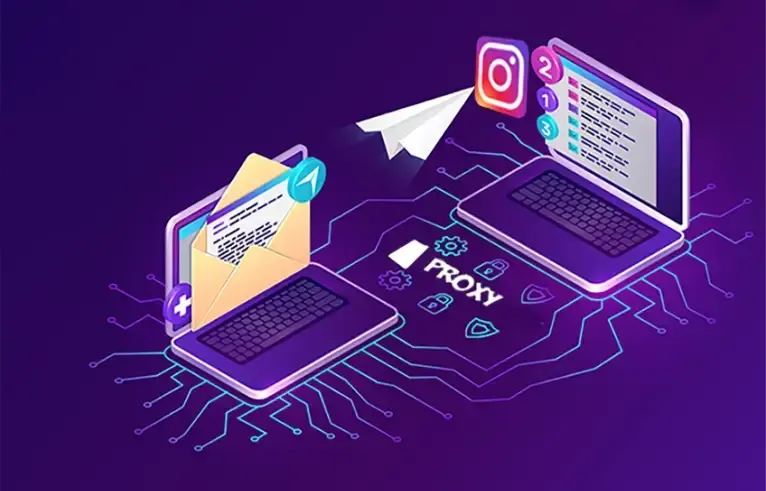
Mobile Proxy / Mobile residential proxy is an intermediary server that forwards internet traffic through real mobile devices (such as smartphones or tablets) connected to mobile networks (3G, 4G/LTE, or 5G).
When you use a mobile proxy, your real IP address is replaced with an IP address assigned to a real user by a mobile carrier (such as AT&T or Verizon). To the target website, you appear as an ordinary user sitting in a café using mobile data.
How Mobile Proxies Work: CGNAT Technology
To understand why mobile proxies are so powerful, you must understand CGNAT (Carrier-Grade Network Address Translation) technology.
Due to the exhaustion of IPv4 address resources, mobile carriers do not assign a unique public IP to each phone. Instead, hundreds or thousands of users share the same public IP.
The advantages of this mechanism: Websites (like Facebook or Google) cannot easily block a mobile IP. If the IP is blocked, it may prevent hundreds or thousands of legitimate users in that area from accessing the site. Therefore, mobile IPs have a very high "trust score."
Why Choose Mobile Proxies? (Core Advantages)
A. Extremely High Trust Level
Mobile proxies are almost never identified as "bots" or "proxy servers" because they are backed by real mobile devices and dynamically assigned IPs from carriers.
B. Bypass Geographic Restrictions and Detection
Many social media and streaming platforms have strict firewalls against datacenter proxies. Mobile proxies can perfectly disguise themselves as native users, easily bypassing the most complex anti-scraping mechanisms.
C. Automatic IP Rotation
Mobile proxies usually offer a "rotating IP" feature. You can set it to automatically change to a new IP every few minutes (sticky) or use a new IP with each request (one-time change), which is crucial for large-scale data scraping.
Mobile Proxies vs. Residential Proxies vs. Datacenter Proxies
| Feature | Mobile Proxy | Residential Proxy | Datacenter Proxy |
|---|---|---|---|
| IP Source | Mobile Carrier (4G/5G) | Home Broadband (ISP) | Server Room |
| Anonymity Level | Extremely High | High | Medium/Low |
| Blocking Risk | Extremely Low | Low | High |
| Speed | Moderate (affected by mobile signal) | Fast | Very Fast |
| Price | Expensive | Moderate | Cheap |
Main Application Scenarios for Mobile Proxies
Social Media Management: Run multiple Instagram, TikTok, or Facebook accounts on the same computer without getting banned.
Web Scraping: Scrape websites with strict anti-scraping policies (like e-commerce details, search engine results).
Ad Verification: Advertisers can check the actual display of their ads on different regions and mobile devices to prevent ad fraud.
Application Testing: Developers can simulate user experiences in specific mobile network environments.
Buying Limited Edition Products: Increase success rates during sneaker drops or limited ticket sales.
Limitations of Using Mobile Proxies
High Costs: Due to the high costs of maintaining mobile devices and data plans, mobile proxies are usually several times more expensive than other types.
Speed Fluctuations: The speed may not be as stable as fiber broadband due to the reliability of cellular networks.
Latency: Signals require multiple hops, and latency is usually higher than datacenter proxies.
How to Choose a Mobile Proxy Provider in 2026?
When choosing a provider, pay attention to the following three points:
IP Pool Size: Providers with millions of IPs can offer better availability.
Geographic Coverage: Whether it supports targeting specific countries, cities, or even carriers.
Supported Protocols: Ensure support for HTTP(S) and SOCKS5 protocols to meet the needs of different software.
Tip: Try to avoid using "free" mobile proxies, as they are often extremely unstable and may pose a risk of stealing your personal data.
Conclusion
Through this article, you have gained a general understanding of the definition, working principles, and application scenarios of mobile proxies. Statistics from 2025 indicate that over 60% of global website traffic comes from mobile devices. In an increasingly closed online environment with ever-evolving anti-scraping technologies, mastering and effectively utilizing mobile proxies will become a key tool for breaking through data barriers and achieving business growth.
IPDeep provides high-quality mobile proxy IPs. Create an account now and try our high-quality mobile proxies!