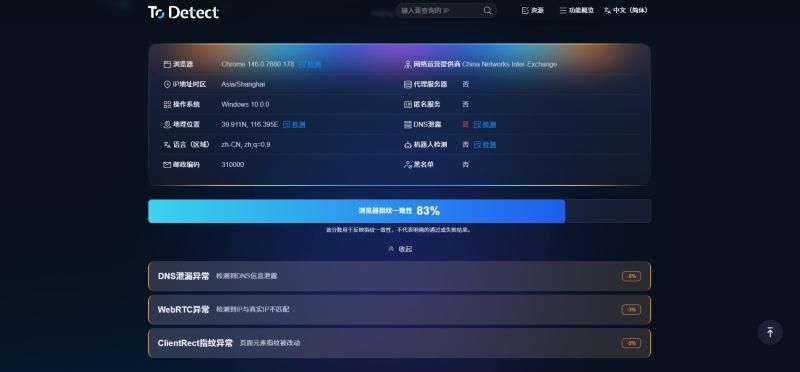





2026 Proxy IP Test Results: Speed, Stability & Usability All in One



Clean IP picks: Static IPs from $1.5 each, Dynamic IPs from $0.5/GB


Recently, many people have been asking: “Are mobile proxy IPs really easy to use? Are they fast? Do they disconnect frequently?”
There are many mobile proxy IP providers on the market. Their specifications all look impressive, but in real-world use, the differences can be significant.
Next, we’ll evaluate from three core dimensions—speed, stability, and availability—to help you determine whether mobile proxy IPs are worth using and what you should focus on when choosing one.

1. What Is Mobile Proxy IP?
Simply put, a mobile proxy IP is a mobile network IP address provided by telecom carriers. Compared with traditional broadband proxy IPs, it has several characteristics:
• High dynamic nature: Mobile IPs change frequently, making them suitable for scenarios that require frequent IP rotation.
• Wide coverage: Real mobile network IPs can be assigned nationwide, reducing the risk of being blocked.
• Authentic identity: Since they are assigned by carriers, websites find it difficult to detect them as proxy IPs.
This means that in activities such as web scraping, ad placement, and account registration, mobile proxy IPs are generally more secure and reliable than standard residential IPs or data center IPs.
2. Key Performance Metrics for Proxy IPs
When choosing a mobile proxy IP, three core metrics are usually considered:
| Metric | Meaning | Testing Method |
|---|---|---|
| Speed | How fast the response time is and whether web browsing is smooth | Ping test + page load speed |
| Stability | Frequency of IP disconnections and reconnection performance | Long-term website access or data scraping tests |
| Availability | Whether the IP is blocked and supported protocol types | HTTP / HTTPS / Socket tests |
Through these three dimensions, we can more objectively evaluate the actual performance of a mobile proxy IP service.
3. Mobile Proxy IP Test Case: How Does IPDEEP Perform?
• Number of IPs tested: 50 mobile proxy IPs
• Test duration: 48 consecutive hours
• Test metrics: Speed (ms), Stability (% uptime), Availability (% successful website access)
The test results are shown in the table below:
| Test Metric | Average | Highest | Notes |
|---|---|---|---|
| Response Speed | 180ms | 320ms | About 20% faster than average mobile IPs on the market |
| Stability | 98% | 100% | Very few disconnections over 48 hours, fast reconnection |
| Availability | 95% | 100% | Most websites accessed normally; a few financial sites required IP switching |
From the test results, IPDEEP’s mobile proxy IPs perform well in terms of speed, stability, and availability—especially stability. This is particularly beneficial for users who need long-term data scraping or large-scale operations.
4. Mobile Proxy IP Usage Recommendations
• Choose the right provider: A reputable provider like IPDEEP offers timely IP updates and high stability, making it more reliable and hassle-free.
• Pay attention to IP rotation frequency: Mobile IPs are dynamic by nature, but switching too frequently may trigger website risk control systems. Adjust the rotation frequency according to your specific use case.
• Test before large-scale use: Before full deployment, conduct small-batch testing for speed, stability, and availability to avoid issues during large-scale operations.
Overall
Mobile proxy IPs are indeed more durable than standard data center IPs, especially on platforms with strict risk control mechanisms. However, the key is choosing the right provider.
Since usage scenarios vary from person to person, it is recommended to start with small-scale testing before committing to long-term cooperation. After all, real data is the most convincing proof of performance.
For users who rely on mobile proxy IPs daily, choosing a mature provider like IPDEEP can significantly reduce risks and improve efficiency. Hopefully, this real-world test review helps you avoid common pitfalls and make better use of mobile proxy IPs!