




Miami Residential Proxy Network for Localized Web Access



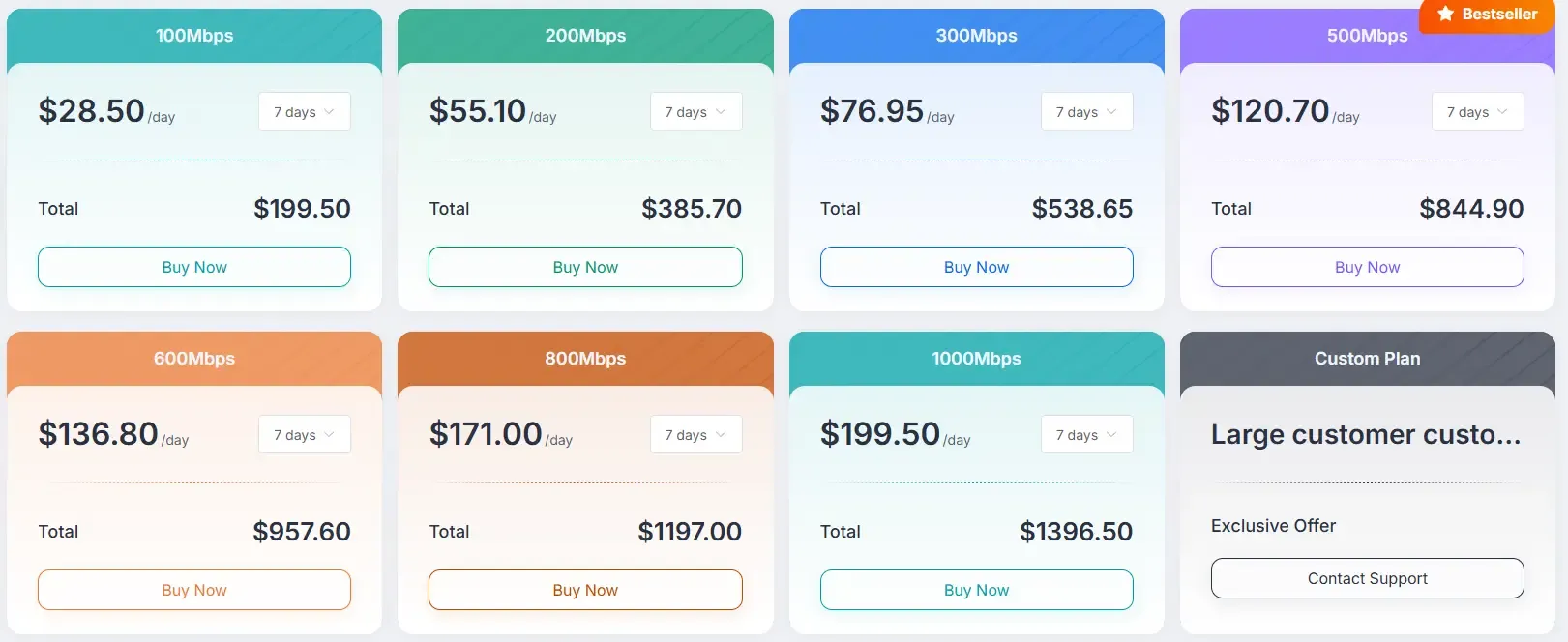
Clean IP picks: Static IPs from $1.5 each, Dynamic IPs from $0.5/GB


In an era where corporate global operations are becoming increasingly common, local access has become a standard method for validating results in cross-border businesses. Whether it is market research, advertising campaign testing, or website content display verification, enterprises need to examine actual operational performance from the perspective of local users.
Among numerous regional nodes, Miami residential IPs have gradually become the most popular choice for North American local access scenarios. So why do businesses choose Miami IPs? What practical value can residential IPs bring? Today, we will provide an in-depth explanation of these topics!

What is a Miami Residential IP?
First, it is important to understand that a residential IP is an IP address assigned to real home broadband users by local Internet Service Providers (ISPs). The network attributes of such IPs are consistent with the network environment used by ordinary users when accessing the internet, making them more aligned with natural user behavior when visiting websites or online services.
These IP addresses from Miami, Florida, USA, are what we refer to as Miami residential IPs. Using such IPs makes a business's network requests appear to originate from ordinary home users in Miami to external observers.
Why is a Miami Residential IP Required for Local Access?
Many websites and online platforms dynamically adjust their displayed content based on a user's region, including but not limited to product prices and promotional information, advertising content and placement strategies, search result rankings, recommended content and local event information, page language or regional version switching.
If an enterprise accesses the internet through a single national-level IP, it will typically only see the U.S. or default version of the page and fail to truly replicate the actual experience of users in a specific city. Using a local residential IP in Miami enables a more realistic simulation of the local user's access environment, thereby obtaining more accurate page display data.
What are the Advantages of a Miami Residential IP?
Miami is not only a major city in the United States but also a crucial hub connecting the North American and Latin American markets. Many businesses expanding their operations to the southern U.S., Spanish-speaking populations, or Latin American markets use Miami as a key region for market analysis and content deployment.
Therefore, using a Miami residential IP for access offers the following advantages:
• View localized content targeted at users in the region
• Test the actual display of region-targeted advertisements
• Analyze local search results and competitive landscapes
• Verify website access speed and loading performance in the region
For enterprises seeking to gain in-depth insights into the market response of specific demographic groups in this region, this high-fidelity simulation of the network environment in a specific area is more valuable for reference than a general U.S. IP.
Advantages of Residential IPs in Local Access
Compared to data center IPs, residential IPs perform more naturally and stably in local access scenarios, as reflected in the following aspects:
1. Closer to Real User Networks
Residential IPs originate from real home networks, and their access behavior characteristics are more aligned with those of ordinary users, which is critical for testing the actual display effects of web pages.
2. Enhancing the Credibility of Test Results
When conducting web page display, advertising landing page, or local event verification, results obtained using residential IPs are closer to what target users actually see, thereby improving the reference value of the data.
3. Suitable for Long-Term Monitoring
Much local analysis is not a one-time task but requires long-term monitoring of price changes, ranking fluctuations, or adjustments to advertising strategies. Stable residential IP resources can support such ongoing work.
4. Supporting City-Level Precision Targeting
High-quality proxy services typically support IP allocation down to the city level, ensuring that the access environment truly originates from Miami rather than broadly referring to other regions of the United States.
Typical Application Scenarios for Miami Residential IPs
In actual business operations, common local access applications of Miami residential IPs for enterprises include:
• Local Market Research: Simulate Miami user access to e-commerce, service platforms, or content websites to understand local market prices, product layouts, and competitive dynamics.
• Advertising Campaign Verification: Check whether advertisements are displayed correctly in the target region and whether the content aligns with local strategies.
• Website Localization Testing: Confirm that web pages correctly display regional languages, currency units, and local event information.
• Search Engine Result Monitoring: Examine keyword rankings from a local Miami perspective and analyze differences in search results across cities.
• All these applications revolve around a core goal: enabling enterprises to observe business performance from the perspective of real local users.
What Should be Noted When Choosing a Miami Residential IP?
To ensure the stability and authenticity of local access, the following factors should be prioritized when selecting a Miami residential IP:
• Support for city-level IP targeting precise to Miami
• Whether IP resources originate from real residential network environments
• Reliability of connection stability and access speed
• Support for flexible usage methods to facilitate long-term project deployment
• Whether the service provider has enterprise-level technical support capabilities
A high-quality network environment is the foundation for ensuring data accuracy and test effectiveness.
We highly recommend choosing a reliable and stable IP service proxy provider like IPDEEP, which owns over 10 million high-quality IP resources (including dynamic residential IPs, dynamic data center IPs, mobile proxy IPs, static residential IPs, static data center IPs, etc.).
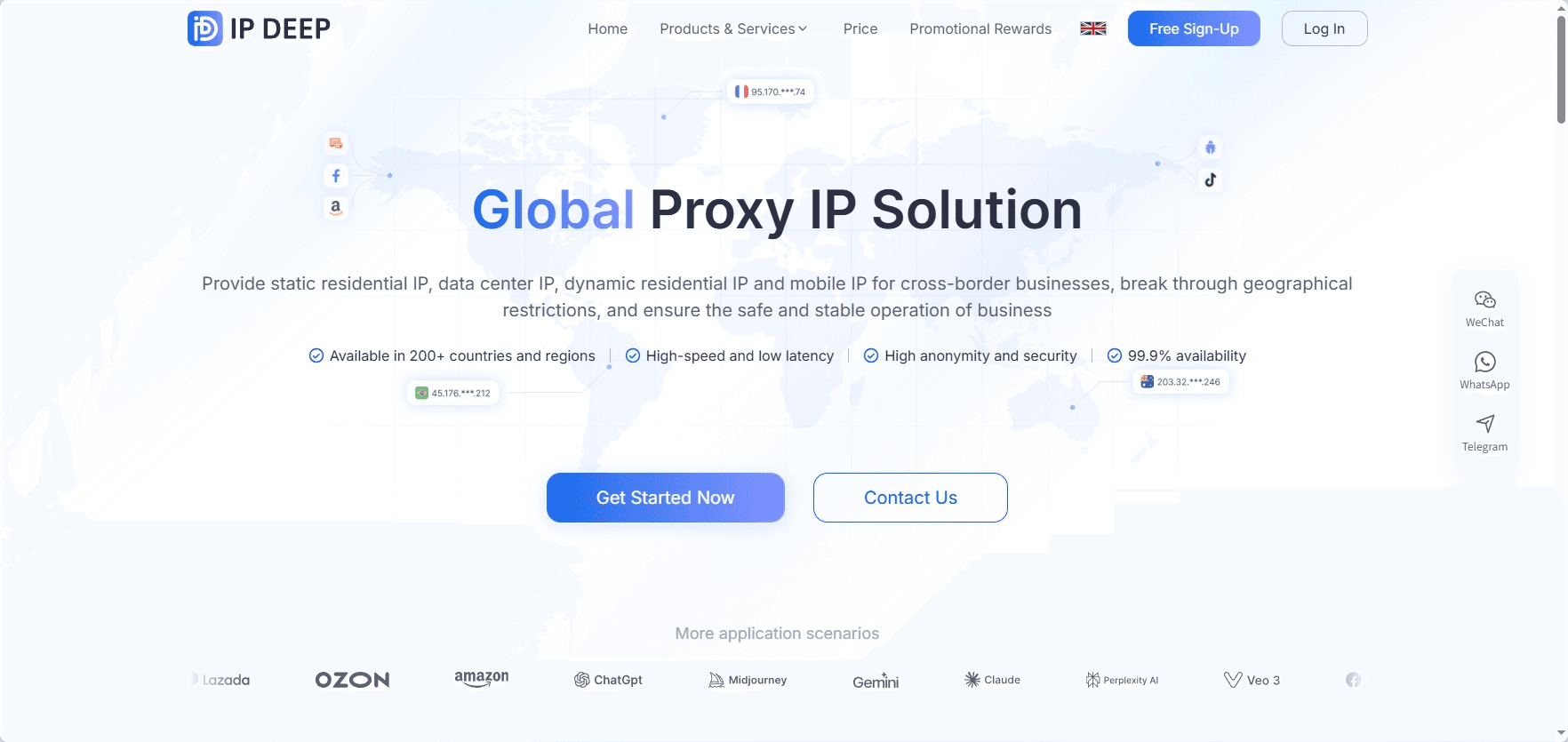
Whether you are choosing the most suitable and stable Miami residential IP or other proxy IPs, IPDEEP can provide localized IP solutions tailored to your diverse needs, helping you improve work efficiency and stability in more aspects.
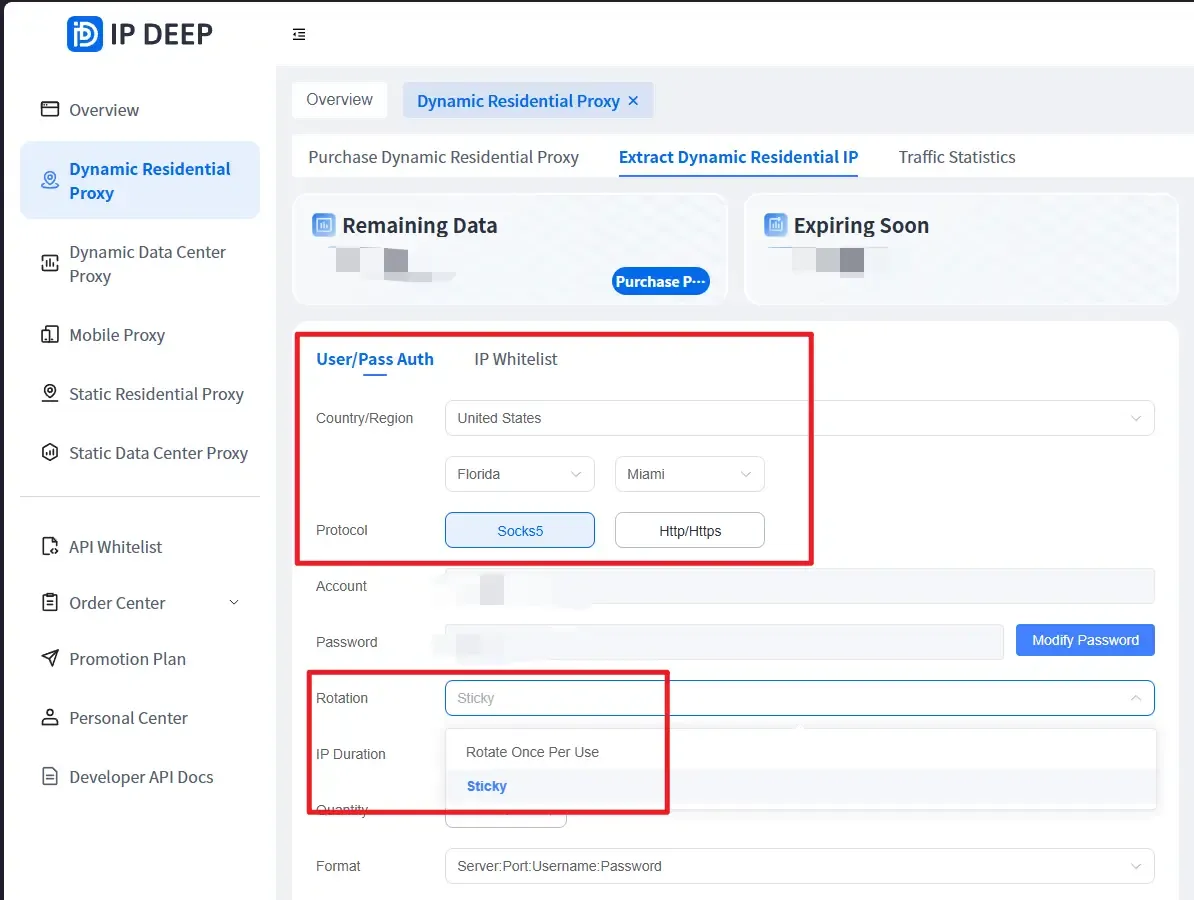
You can quickly select and locate Miami, Florida, USA, here for more precise targeting. If you have more specific or special requirements, you can also choose the proxy type and rotation method, which will be more beneficial for your work.
Summary
Miami residential IPs are important tools for enterprises to conduct refined local access and market validation. Whether it is advertising campaign testing, search result monitoring, or website local display verification, real and stable residential IPs can help enterprises obtain more reliable data support from the perspective of local users.
FAQs:
What is the difference between a Miami residential IP and a regular U.S. IP?
A Miami residential IP can accurately simulate the access environment of local urban users, while a regular U.S. IP typically only displays national-level default content.
Which business scenarios are suitable for using a Miami residential IP?
Local market research, advertising campaign verification, SEO ranking monitoring, and website localization testing are all highly suitable.
Why are residential IPs more suitable for local access than data center IPs?
Residential IPs originate from real home networks, are more aligned with natural user behavior, and yield more credible test results.
What should be noted when selecting a Miami residential IP service provider?
Priority should be given to whether the provider supports city-level targeting, IP authenticity, connection stability, and technical support capabilities.