




How to Choose a U.S. Clean Static Residential Proxy IP?



Clean IP picks: Static IPs from $1.5 each, Dynamic IPs from $0.5/GB


In today's internet-driven world, IP addresses have become one of the core elements for online business operations. This is especially true for industries such as cross-border e-commerce, data collection, market research, SEO scraping, and ad verification, where the importance of clean IPs is increasingly evident. Particularly in the U.S. market, due to its frequent information flow and fierce competition, choosing a high-quality, stable U.S. clean IP has become a key consideration for many businesses and individuals. This article will explore in detail how to choose the right U.S. clean static residential IP for your needs, helping you avoid common issues and improve efficiency and security.
What is Static Residential Proxy?
Static residential proxy IPs are IP addresses allocated through real household networks (i.e., residential networks). These IP addresses come from individual or household broadband lines, usually provided by residential internet service providers (ISPs). In proxy services, static residential proxies refer to those IP addresses that do not change over a period of time, meaning users can use the same IP for long-term internet access, avoiding the frequent changes and instability that dynamic IPs can cause.
Static residential proxy IPs have the following features:
·IPs from real users: These IPs come from real home broadband networks, not from data centers or virtual networks, making them difficult to detect by anti-bot systems.
·High concealment: Because these IP addresses belong to ordinary household networks, they are usually not identified as bots or machines, thus avoiding the risk of being banned.
·Long-term stability: Static residential proxy IPs remain unchanged over a period, making them suitable for tasks that require long-term use of the same IP, such as account management, ad verification, etc.
What is IP Cleanliness?
IP cleanliness refers to whether an IP address has been used for malicious activities or inappropriate purposes. Clean IP addresses have not been blacklisted or flagged as risky IPs. For proxy IPs, a high level of cleanliness means they have no history of being used for scams, spam, attacks, or other malicious activities, and are less likely to be flagged as suspicious or malicious by target websites.
IP cleanliness is crucial when choosing a proxy service for the following reasons:
·Lower risk of being banned: Clean IP addresses are more likely to bypass anti-bot mechanisms on target websites, reducing the risk of being banned.
·Higher success rate of access: IPs with high cleanliness are generally more likely to pass identity verification on target websites, especially in scenarios that require strong validation.
Key Factors to Consider When Choosing U.S. Clean IPs
When choosing a clean U.S. static residential IP, several key factors need to be considered to ensure the selected IP meets your business needs. Here are a few key selection criteria:
1. Stability and availability of the IP
One of the most important factors when choosing clean IPs is their stability and availability. The stability of the IP determines whether it can function normally over the long term, especially when accessing specific websites frequently. You can judge its stability by looking at the provider's uptime. Generally, high-quality clean IP providers offer an uptime of over 99.9%, ensuring the long-term availability of their IPs.
2. Reliability of the IP source
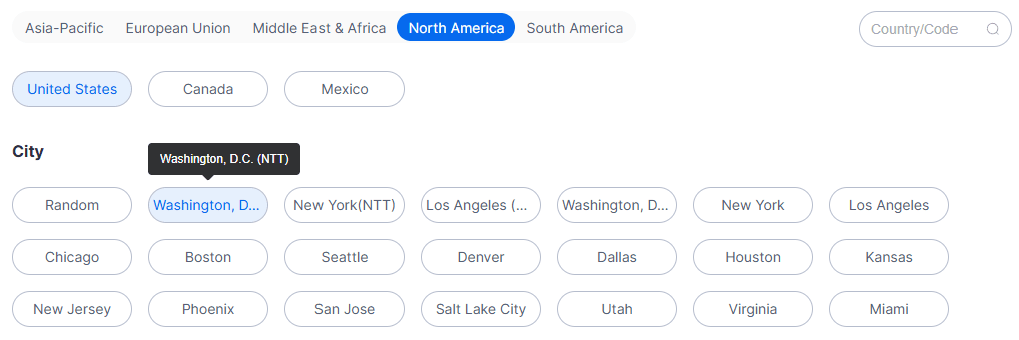
An important standard is whether the IP source is reliable. Clean IPs generally come from real internet service providers (ISPs), so you need to ensure that the provider can offer genuine U.S. ISP proxy IPs. These IPs can be sourced from reputable U.S. ISPs such as NTT, Verizon, and Comcast.
3. Provider's support and services
When choosing U.S. clean IPs, the provider's customer support and service is also an important factor. Especially when encountering issues such as IP bans or connection problems, timely and professional technical support can help resolve problems quickly. Most excellent providers offer 24/7 customer support, ensuring that you can receive help no matter your time zone. Additionally, some providers offer free or low-cost trial services, allowing you to assess the quality of the IPs without spending a lot of money.
4. Pricing strategies
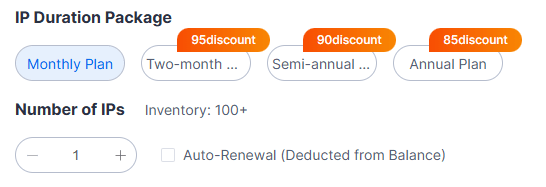
Pricing is typically based on multiple factors, such as IP quantity, usage duration, and bandwidth requirements. You need to assess the most appropriate pricing plan according to your actual needs.
· Pay-per-traffic: Suitable for users requiring large-scale data scraping or long-term operations, allowing you to control costs by paying based on traffic.
· Pay-per-IP: Suitable for users requiring a large number of IP resources but relatively small traffic. Paying by the number of IPs is more reasonable.
· Monthly/Annual payment: Some providers offer monthly or annual plans, suitable for users with stable business needs.
Different providers may have pricing differences, so when selecting, you can compare according to your budget and actual needs.
5. Compatibility and flexibility
Many clean IP providers support various protocols such as HTTP, HTTPS, SOCKS, etc. Depending on your use case (ad verification, cross-border e-commerce, etc.), you need to choose a provider that supports the relevant protocols. Additionally, flexible IP switching and custom settings are also a requirement for some enterprise clients, ensuring that the system can adjust based on actual situations.
Recommended Clean U.S. Proxy IP Providers
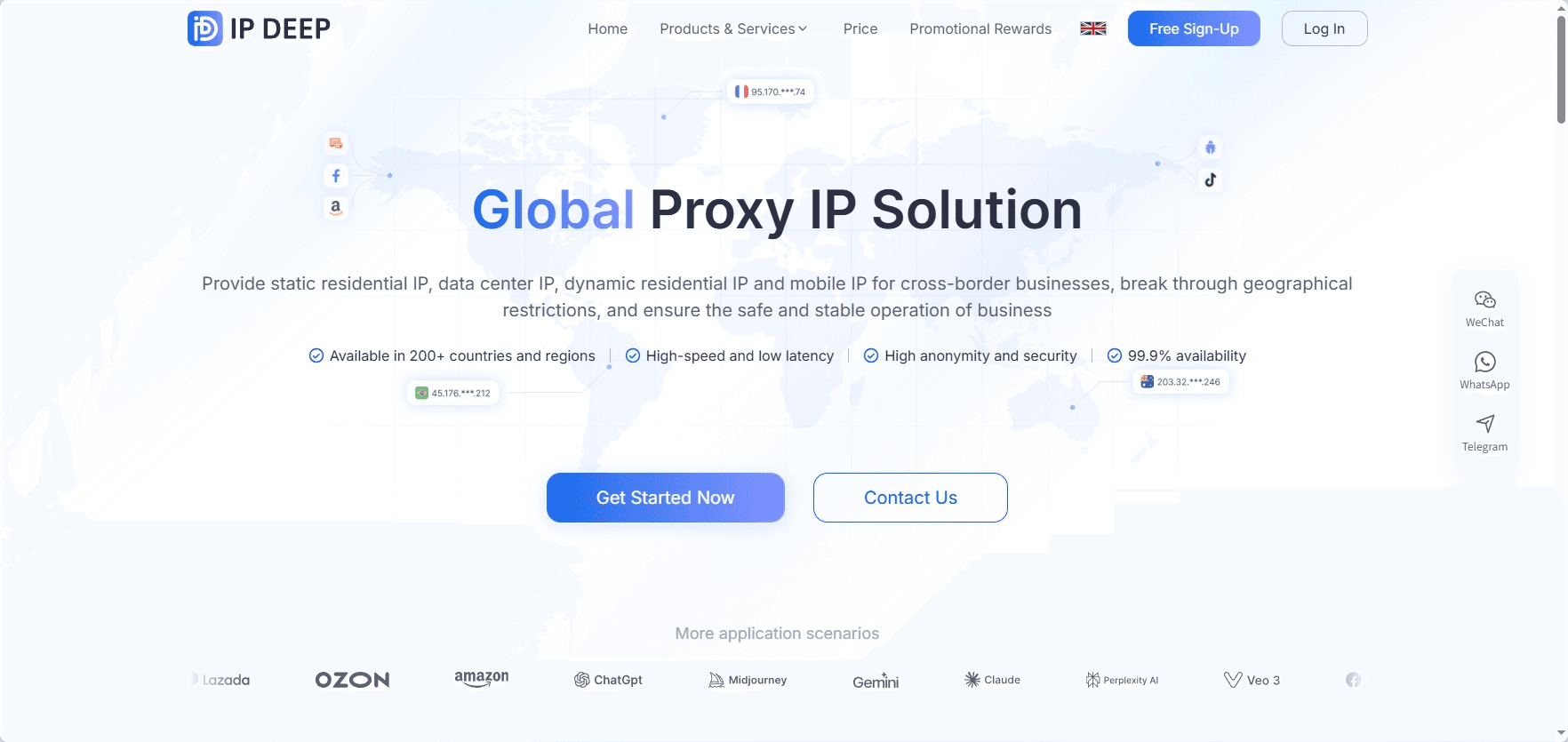
IPDeep is a leading proxy IP provider offering high-quality U.S. static residential proxy IPs. These IPs come from real U.S. residential networks, with high cleanliness, low ban risk, and high stability, making them ideal for use in cross-border e-commerce, ad verification, data collection, and more. IPDeep offers flexible pricing plans, supporting both pay-per-time and pay-per-IP options, meeting the needs of different users. Whether you need efficient data scraping, ad verification, or account management, IPDeep is a reliable choice.
Conclusion
When choosing U.S. clean IPs, the most important factors are stability, reliability, support services, and pricing. By working with a provider that matches your business needs, you can improve the efficiency and security of your data collection, ad verification, market monitoring, and other tasks. We hope this article provides valuable guidance to help you select the right U.S. clean IP provider, ensuring smooth and seamless online operations.