




US Native Residential IPs: Selection and Use Cases



Clean IP picks: Static IPs from $1.5 each, Dynamic IPs from $0.5/GB


With their authentic and stable network environments, U.S. native residential IPs have become increasingly popular among cross-border businesses. Today, we’ll take a closer look at what U.S. native residential IPs are and how they are commonly used, and how leveraging a professional proxy platform can help safeguard your international operations.
What Is a U.S. Native Residential IP?
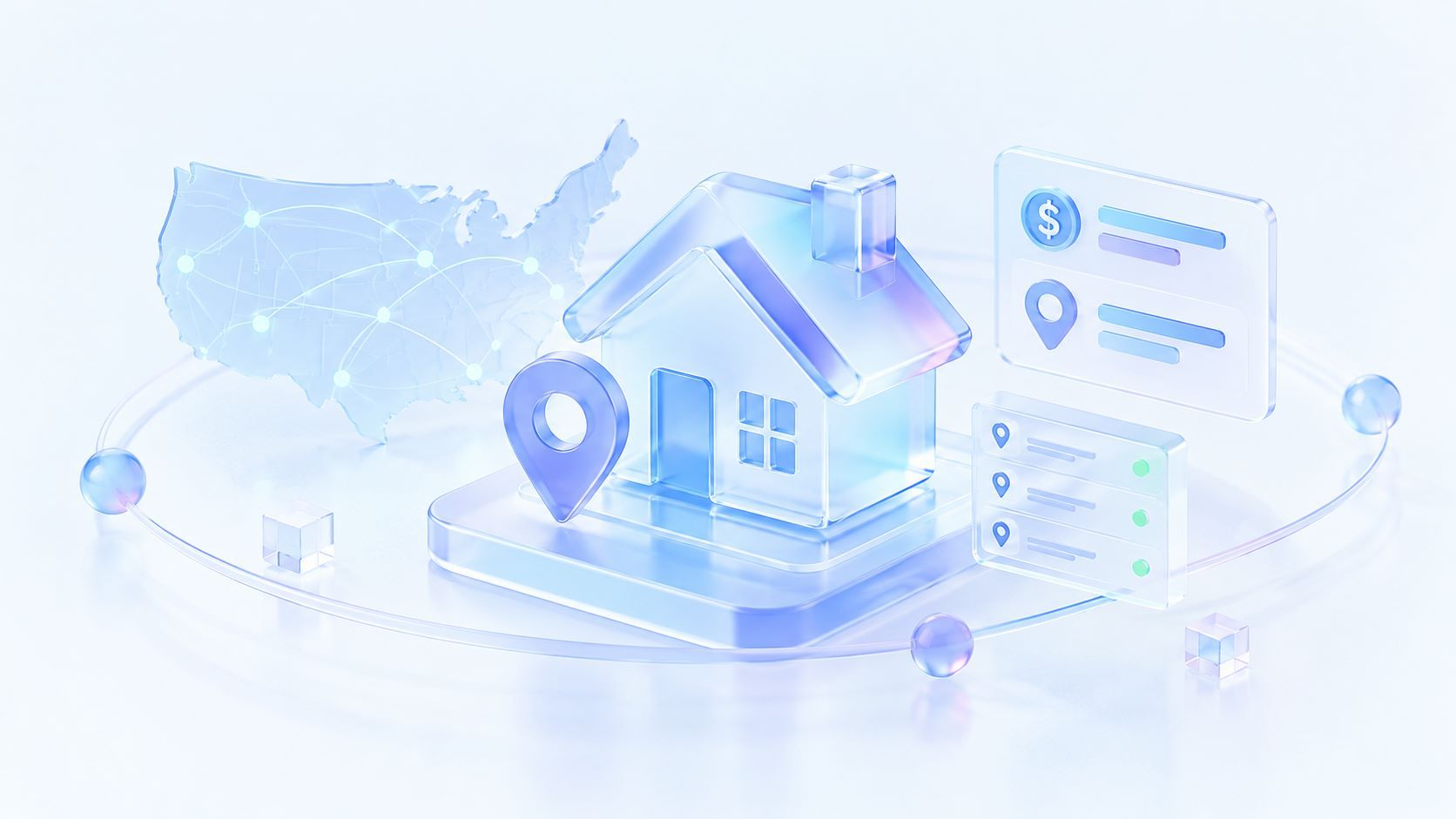
Simply put, a U.S. native residential IP is a fixed IP address sourced from real household broadband connections within the United States. Compared to data center IPs, residential IP traffic more closely resembles that of ordinary users, featuring natural browsing behavior and consistent geographic characteristics.
The term “native” emphasizes the authenticity and legitimacy of the IP. These IPs are directly assigned by U.S. Internet Service Providers (ISPs), rather than being data center proxies or virtualized IP addresses.
Key Factors When Choosing a U.S. Native Residential IP
Accurate Coverage of Target Markets
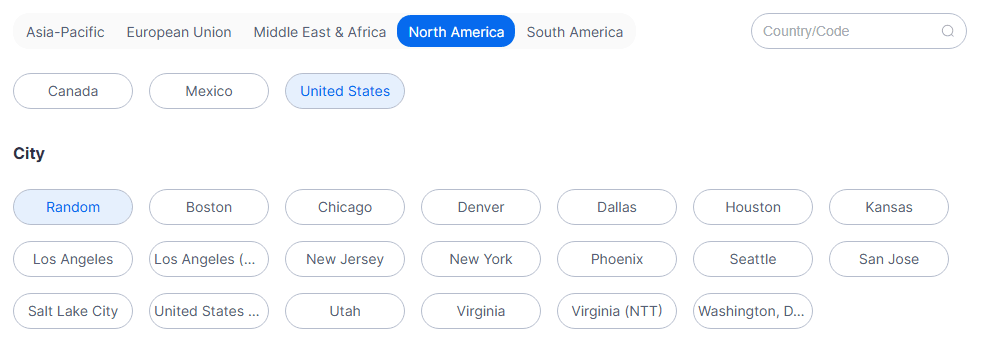
The United States spans a vast geographic area, and network conditions vary significantly between the East Coast, West Coast, and central regions. Many cross-border businesses need IPs from specific states or cities to accurately simulate real user environments.
IPDEEP offers residential IP coverage across multiple U.S. cities, helping users precisely target and deploy their desired markets.
IP Cleanliness and Health
High IP cleanliness means the IP has not been abused or blacklisted. Quality service providers continuously monitor their IP pools in real time, promptly removing abnormal or risky IPs. This ensures that users consistently work with clean and stable IPs, significantly improving account security.
Multi-Protocol Support and Management Capabilities
Different business scenarios require different proxy protocols, making support for HTTP, HTTPS, and SOCKS5 essential. As multi-account and team-based operations become more common, API access and batch management tools can greatly improve operational efficiency.
After purchasing proxy services, users can generate API links through the IPDEEP platform and configure API whitelists for more convenient and secure usage.
Reliable Technical Support and After-Sales Service
Network fluctuations or IP-related issues are inevitable in cross-border operations. Choosing a proxy provider with fast technical response times and comprehensive support services can significantly reduce operational risks and potential losses.
Common Use Cases for U.S. Native Residential IPs
Cross-Border E-Commerce Account Management
E-commerce platforms enforce strict requirements on IP environments. Frequent IP changes or the use of data center IPs can easily trigger account suspensions. U.S. native residential IPs simulate real user environments, helping ensure stable and consistent account logins.
U.S.-Based Social Media Operations
Platforms such as Facebook and Instagram are highly sensitive to access IPs. Abnormal IP behavior often leads to account restrictions. U.S. native residential IPs provide a realistic and stable network environment, reducing the risk of account bans.
Ad Verification and Localization Testing
Advertising campaigns often require verification from real IPs in different locations to ensure proper display and delivery. U.S. native residential IPs accurately reflect local network conditions, improving the authenticity and accuracy of ad verification.
Content Access and Geo-Restriction Bypass
Some U.S. websites or services restrict access based on IP location. Using U.S. native residential IPs allows users to bypass geographic limitations and perform content access or functional testing with ease.
Conclusion
In today’s complex and constantly evolving cross-border network environment, U.S. native residential proxy IPs provide a stable and secure foundation for online access. With broad geographic coverage and comprehensive technical support, IPDEEP helps users achieve stronger account security and sustainable business growth in overseas markets.
FAQs
1. Is using U.S. native residential IPs legal and compliant?
Yes. As long as the IPs are purchased through legitimate providers and used in compliance with platform rules and applicable laws, using U.S. native residential IPs is legal and compliant.
2. What should I do if a proxy IP encounters an issue?
IPDEEP offers technical support and issue-handling services. Users can contact customer support promptly for troubleshooting or IP replacement.