




Are Static Residential IPs Too Expensive? How to Choose Stable IPs at a Lower Cost



Clean IP picks: Static IPs from $1.5 each, Dynamic IPs from $0.5/GB


Many people have the same question when they first encounter this topic: Why are static IP prices so inconsistent? Some cost only a few dozen per month, while others cost several hundred. What exactly is the difference?
Many people buy static IPs based only on price, ignoring IP quality. As a result, they experience frequent disconnections or get banned every few days. In fact, static IPs are not “the cheaper the better” — what really matters is stability, authenticity, and usage scenarios.
Next, we will clearly explain how static IP pricing is structured, where people often waste money, and how to choose reliable static residential IPs at a lower cost, all in one go.
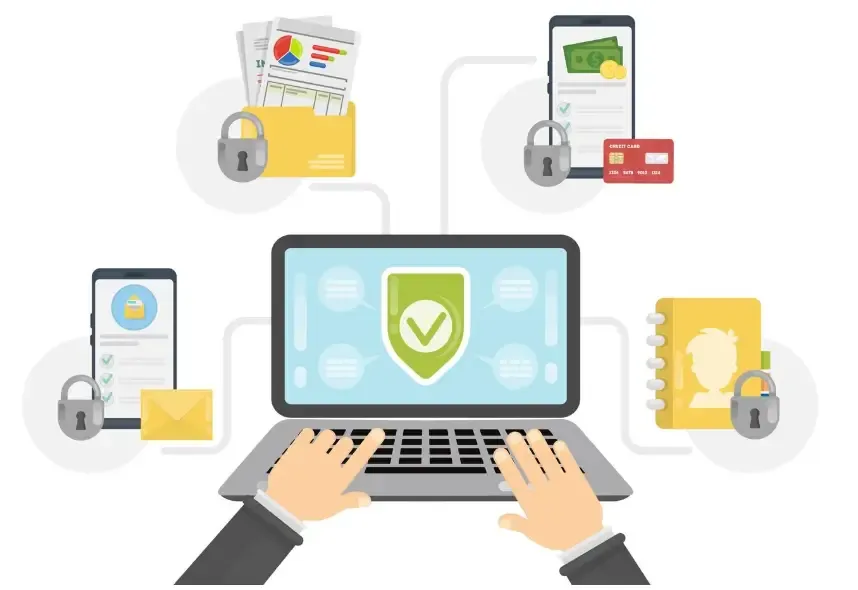
1. What Is a Static Residential IP?
The biggest difference between static IPs and dynamic IPs is that static IPs do not change. Dynamic IPs assigned by ISPs may change daily or even after every reconnection, while a static IP remains the same once assigned.
Why use a static residential IP? The reason is simple:
• High stability: When performing tasks on platforms such as UO, sudden IP changes may lead to account bans. Static IPs help avoid this issue.
• High trust level: Residential IPs are less likely to be identified as “proxies” compared to data center IPs, making them safer for overseas shopping and advertising campaigns.
• Ideal for long-term projects: If you operate accounts or websites long-term, static IPs help maintain a consistent access environment and reduce risks.
Therefore, if you are involved in e-commerce, order boosting, online marketing, or data scraping, static IPs are almost essential.
2. Are Static IPs Expensive?
Many people are shocked when they first see static IP prices, thinking they are outrageously expensive. In reality, static IP pricing mainly depends on several factors:
1. IP Type
• Residential IPs: Assigned by ISPs to real household broadband users. Prices are usually a few dollars /day, while long-term plans can cost as low as ¥50–200/month.
• Data center IPs: Much cheaper than residential IPs, but with lower stability and security, making them unsuitable for long-term operation on high-risk platforms.
2. IP Stability
Fully static IPs are more expensive than so-called “pseudo-static” IPs. Pseudo-static IPs may change every few days or weeks, while fully static IPs rarely change.
3. Node Location
• Domestic IPs are cheaper than overseas IPs. For example, IPs from smaller cities can be 1–2 times cheaper than those from major metropolitan areas.
• Overseas IPs (especially US, Japan, and Europe) are usually more expensive due to higher operating and bandwidth costs.
4. Purchase Method
• Daily / Monthly: Daily plans offer flexibility for short-term use but are costly for long-term projects.
• Long-term plans: Semi-annual or annual plans are usually more cost-effective, saving around 30%–50%.
In summary, for long-term operations, monthly or semi-annual residential static IP plans are more cost-effective.
3. Recommended Channels for Buying Static IPs
1. Official ISPs / Broadband Providers
Some broadband providers allow direct applications for fixed IPs. Prices are transparent and stability is high, but the application process is slow and not available to residential users in some regions.
2. Third-Party IP Providers
Providers like IPDEEP offer static residential IP plans with both domestic and overseas nodes and a wide price range.
The advantages are flexible purchasing and rich node options, but users must carefully check reviews to avoid bans or disconnections.
3. Cloud Service Providers
Cloud providers also offer fixed IPs, but these are usually data center IPs, suitable for testing or crawling, not for high-risk platform operations.
4. Tips to Save Money on Static IPs
1. Longer Billing Cycles Are Cheaper
Many providers offer discounts for monthly, quarterly, or semi-annual payments. For example, IPDEEP’s six-month plan saves about 40% compared to daily pricing — a must for long-term projects.
2. Fewer IPs, More Nodes
If your project requires multiple IPs, not all of them need to be premium static IPs. Use a small number of high-quality IPs combined with regular residential IPs to reduce overall costs.
3. Avoid High-Demand Regions
IP prices in major cities are generally higher. Residential IPs from second- and third-tier cities offer better value and usually meet most requirements.
4. Watch for Discounts and Promotions
Many IP providers offer discounts during holidays or promotional periods, especially during Black Friday or Singles’ Day. Keeping an eye on these deals can save a lot.
5. Use IP Rotation Wisely
For certain tasks, you don’t have to use the same IP every time. Mixing static and dynamic IPs through an IP pool can extend the lifespan of static IPs and reduce costs.
Conclusion
When choosing static residential IPs, price matters, but quality and stability matter more. By carefully selecting providers, plans, and IP quantities, you can significantly reduce costs without sacrificing efficiency.
IPDEEP proxy is currently a cost-effective choice, especially for small teams and individual users. Combined with the money-saving tips above, you can obtain high-quality static IP resources within a reasonable budget.
Finally, always check real reviews and reputation when choosing an IP provider. Don’t be misled by low prices — poor IP quality will only waste your time and money.