




Are Static Residential IPs Worth It? Costs, Benefits & Uses



Clean IP picks: Static IPs from $1.5 each, Dynamic IPs from $0.5/GB


In cross-border e-commerce, social media operations, and overseas data analysis, static residential IPs are becoming an important part of building a reliable network environment for many professionals.
However, when faced with different pricing options in the market, many users wonder: Why are these IPs more expensive? Are they really worth the investment?
This article will analyze the core value, cost structure, and suitable use cases of static residential IPs from a professional perspective, helping you make a more informed decision.
What Is a Static Residential IP?
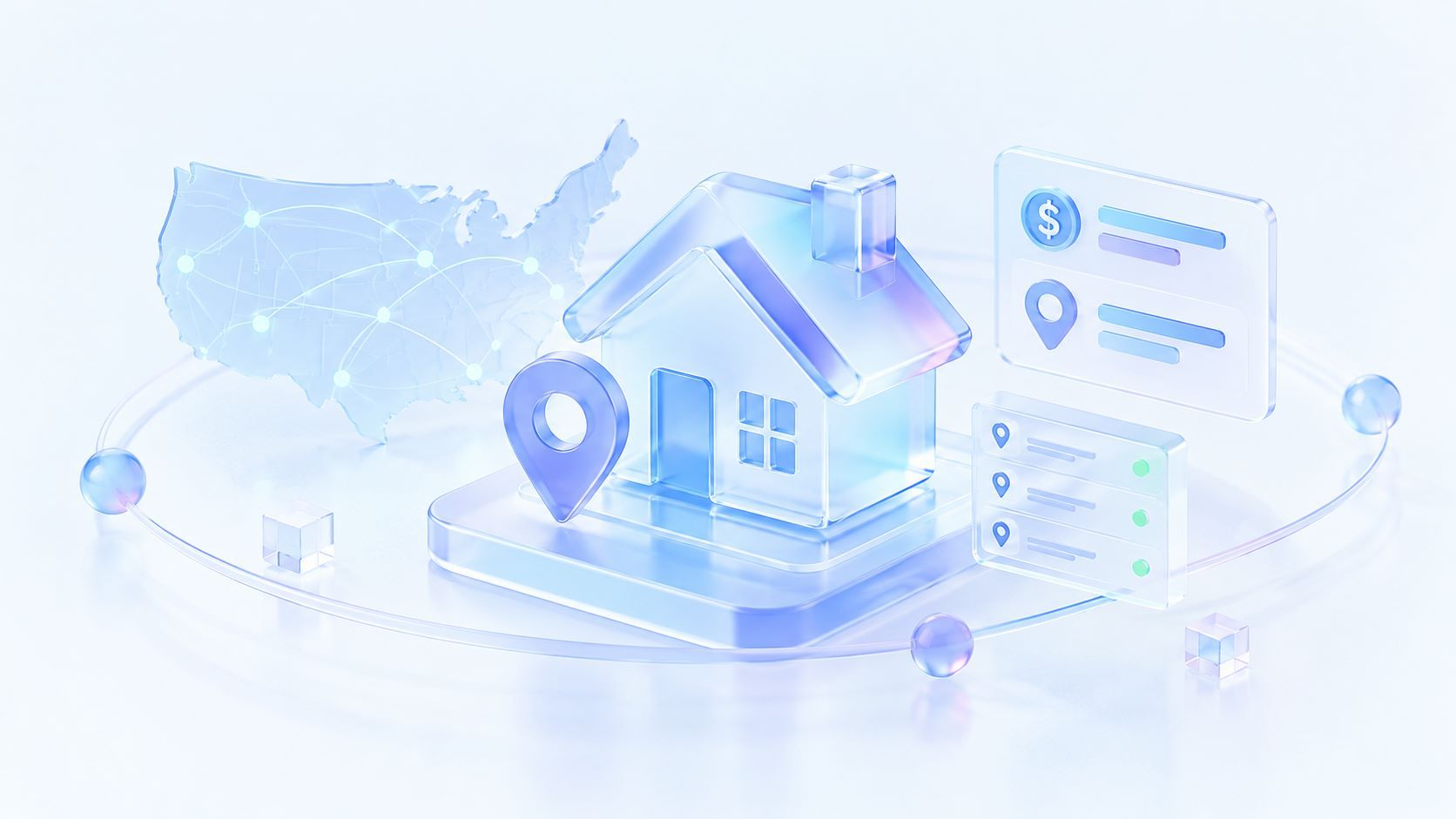
A static residential IP typically comes from real residential network resources provided by ISPs (Internet Service Providers). It is a residential network address that can remain stable over an extended period.
Compared with other common IP types, it has the following characteristics:
Compared with datacenter IPs: Datacenter IPs come from server facilities. While they offer fast speeds and lower costs, their concentrated IP ranges can make them easier to identify as non-organic traffic, resulting in a higher risk of restrictions.
Compared with dynamic residential IPs: Dynamic residential IPs also come from real residential networks, but their IP addresses rotate periodically or based on requests, making them less suitable for account management scenarios that require long-term consistency.
Because static residential IPs are closer to real user network environments and provide a consistent connection over time, they are generally better suited for applications that require a stable network environment.
Core Benefits of Static Residential IPs
1. Improve Account Environment Stability
For cross-border accounts that require long-term operation, maintaining a consistent login environment is essential.
A stable IP address can reduce abnormal verification caused by frequent network changes and help maintain a consistent network foundation for long-term account operation.
2. Maintain a Consistent Network Access Environment
If you operate businesses such as Amazon local stores or TikTok Shop, platforms usually pay close attention to users' network characteristics.
Static residential IPs provide a consistent local network connection, allowing businesses to operate within the same network environment over time.
3. Ensure Business Continuity and Availability
For targeted monitoring, price tracking, or automated tasks that require a fixed access source, connection interruptions can result in data loss or task failures.
Some high-quality providers offer strong availability guarantees to maintain stable connections and reduce unnecessary verification interruptions.
Cost Analysis: Why Are They More Expensive Than Regular IPs?
High-quality static residential IPs usually involve higher acquisition and maintenance costs. Their pricing is affected by several factors:
Resource availability and regional differences: Static residential IPs require integration with ISP resources from different regions (such as AT&T and Comcast).
The availability of residential IP resources varies significantly across countries, regions, and providers, which is why premium residential IPs usually cost more than standard datacenter proxies.
Dedicated resource allocation: To provide better reliability, high-quality providers often offer dedicated IP services where each user receives an individual IP address.
This means the bandwidth and reputation of the IP are used exclusively by you, reducing the impact of other users' activities on the network reputation.
Network routing and latency optimization: Providers such as IPDEEP use global node distribution and routing optimization to improve connection performance while providing encrypted transmission for data security.
Recommended Users and Use Cases
Not every business requires an expensive static residential IP. You can evaluate your needs based on the following recommendations:
Essential users: Etsy sellers, Facebook advertisers, Amazon local account operators, TikTok operators, and businesses that require stable access environments for payment systems.
These scenarios usually have higher requirements for network quality, location accuracy, and environment consistency.
Optional users: Basic SEO data collection, regular browsing, and maintenance of non-local accounts.
If your business does not require a highly consistent network environment, more cost-effective options such as dynamic IPs or cloud-based IPs may also be suitable.
Conclusion and Recommendations
Static residential IPs are an important infrastructure for improving network stability in cross-border businesses.
Although they cost more than datacenter IPs, they remain a valuable choice for businesses that prioritize account stability, operational continuity, and long-term management efficiency.
If you are looking for reliable static residential IP resources, visit the IPDeep website to explore global static residential IP solutions and build a more stable network environment.
Frequently Asked Questions (FAQ)
Q1: Will a static residential IP reveal my real identity?
No. High-quality providers such as IPDEEP use advanced anonymity technologies and encrypted transmission methods to protect your real network address and provide stronger privacy protection.
Q2: Why do account issues still occur after using a static IP?
An IP address is only one part of the network environment. Account risks can also involve factors such as browser fingerprints (including operating system, time zone, and language settings), unusual activity patterns, or account compliance issues.
It is recommended to combine static IPs with fingerprint browsers to create independent access environments.
Q3: Are static residential IPs slow?
Since residential IPs use home broadband connections, their speed may be slightly lower than premium datacenter nodes.
However, quality providers can optimize routing and maintain reasonable latency levels, making them suitable for daily browsing, video streaming, and business automation tasks.
Q4: Can one IP be used for multiple accounts?
It is strongly recommended to use one IP address per account. Sharing the same IP across multiple accounts may increase the risk of account association, and restrictions on one account could potentially affect others.