




Don't Waste Money on Slow Proxy IPs! How to Choose the Right 50ms-200ms Delay



Clean IP picks: Static IPs from $1.5 each, Dynamic IPs from $0.5/GB


When selecting a proxy IP, have you noticed a detail—latency? Many people only look at the number of IPs or the price, ignoring the importance of latency.
In fact, latency directly determines your operation speed and stability. Choosing a good proxy IP is not just about the IP itself, but more importantly, the latency of the proxy IP.
Today, I will discuss with you: what latency is considered fast? What are the uses of proxy IPs with 50ms, 100ms, and 200ms latency? And how to choose a reliable IP proxy provider.
1. What isProxy IP Latency Level?
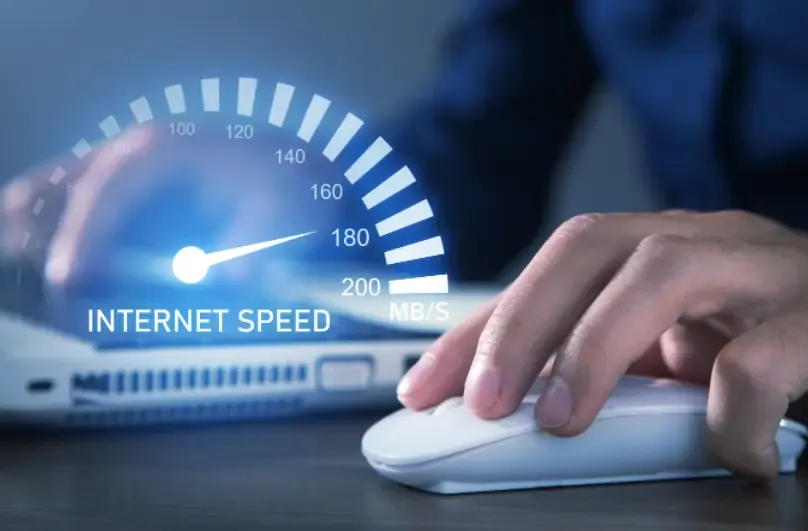
Proxy IP latency refers to the time it takes from when you send a request to when the server responds, usually measured in milliseconds (ms).
The lower the latency, the smoother the network experience; if the latency is high, your operations may lag or even fail. For example:
• Low latency (e.g., below 50ms) is like having a great phone signal, with almost no delay.
• Medium latency (around 100ms) is somewhat like a video call with slight delay, but still acceptable.
• High latency (above 200ms) is like an overseas call, with noticeable lag, significantly reducing the operation experience.
Therefore, when we choose a proxy IP, latency is definitely one of the core reference indicators.
2. What are the suitable uses for 50ms, 100ms, and 200ms proxy IP latencies?
| Latency Level | Usage Scenarios | Advantages | Notes |
|---|---|---|---|
| Below 50ms | Flash sales, ticket grabbing, high-frequency crawling, game acceleration | Fast response, almost no delay, smooth operation | Higher cost, tight IP resources, need reasonable allocation |
| Around 100ms | Data collection, multi-account social operations, content distribution | High cost-performance ratio, good stability | High-frequency tasks may have slight delays, not suitable for extreme purchases |
| Above 200ms | Low-frequency scraping, testing, backup IP | Low cost, meets low-frequency access needs | Noticeable latency, slow speed, not suitable for sensitive operations |
Tip: When choosing a proxy IP, you can combine different latency levels of IPs based on business frequency and sensitivity to achieve a balance between cost and efficiency.
1. 50ms: Ultra-fast experience, suitable for high-frequency operations
Proxy IPs with latency below 50ms are very suitable for scenarios with extremely high speed requirements, such as:
• Flash sales, ticket grabbing: Time is money, low latency allows you to be faster than others.
• High-frequency crawling for data: Low latency ensures crawling efficiency and stability during frequent requests.
• Game acceleration: Overseas gamers or multi-account operations require low latency for smoothness.
In simple terms, 50ms can basically achieve "second-level response," suitable for speed-sensitive and high-stability business needs.
2. 100ms: High cost-performance ratio, suitable for general business
Proxy IPs with around 100ms latency are at a medium level, usually cheaper than 50ms, but still provide a good experience, suitable for:
• General data collection: Does not require extreme speed but needs stability, such as market research and public opinion monitoring.
• Multi-account social operations: Posting, liking, and publishing without being flagged as abnormal operations.
• Content collection and distribution: Speed requirements are not extremely high, but stable connections are needed.
These types of proxy IPs are very reasonable in cost-performance ratio, suitable for most business users or individual developers.
3. 200ms: Slow proxy, suitable for low-frequency operations
Proxy IPs above 200ms belong to high latency, with noticeably reduced user experience, but that doesn't mean they are useless:
• Low-frequency scraping: For example, scraping news data once an hour, latency won't affect task completion.
• Testing or backup IP: Can serve as a backup solution when the main IP has issues.
• Non-critical access: Occasional logins or website visits, high latency is acceptable.
In simple terms, IPs above 200ms are more at the level of "usable is fine," not suitable for high-frequency or highly sensitive scenarios.
3. How to Choose a ReliableIP Proxy Provider?
After discussing latency, let's talk about choosing an IP proxy provider. The market is filled with various proxy IPs, with significant quality differences. It is recommended to consider the following points:
• Stable latency: Don't just look at the instantaneous speed; consider the long-term average latency.
• Number and quality of IPs: The larger the IP pool, the lower the risk of reuse; stability and anonymity should be high.
• Support for HTTP/HTTPS and multiple protocols: Ensure compatibility with various business scenarios.
• Customer service and after-sales: Proxy IPs inevitably encounter issues, timely communication is essential.
Platforms like IPDEEP provide various latency levels of proxy IPs, supporting global node selection, suitable for different needs of businesses and developers.
4. IP Latency is Not the Only Indicator, But It's Crucial
Many people only look at price or the number of IPs when selecting proxy IPs, ignoring latency. In fact, latency directly affects business efficiency and operational stability. Based on actual needs, choosing the appropriate latency level is more cost-effective than blindly pursuing low prices:
• High-frequency, critical operations → Preferably below 50ms
• Daily business, cost-performance priority → Around 100ms is best
• Low-frequency or backup → 200ms is also acceptable
In summary, when selecting proxy IPs, it's not just about the number of IPs or geographical location, but also about paying attention to proxy IP latency and choosing reliable IP proxy providers. Platforms like IPDEEP can help you avoid detours.
Overall
Latency is the most easily overlooked yet crucial indicator when selecting proxy IPs. Below 50ms for high-frequency operations, around 100ms for daily business, and above 200ms for low-frequency tasks or backup IPs.
When choosing an IP proxy provider, in addition to price and the number of IPs, it's important to focus on latency stability and IP quality. Professional platforms like IPDEEP can save you a lot of trouble.
Choosing the right proxy IP not only saves money but also avoids countless debugging and failure troubles. Don't overlook latency, as it is the "invisible killer" of your proxy strategy!