




Decrypting Proxy IPs: Why Businesses Need Country-Specific IPs?



Clean IP picks: Static IPs from $1.5 each, Dynamic IPs from $0.5/GB


In today's globalized digital business landscape, proxy IPs have evolved beyond simple technical intermediaries to become the foundational cornerstone for enterprises executing precision market strategies.
Many developers and cross-border entrepreneurs entering the industry often wonder: why is it imperative to strictly select IP resources from specific countries when executing different business tasks?
The core of this article explores the underlying mechanisms behind this choice, including network geo-fencing, localized algorithm preferences, and risk control logic.
Geographic Attributes: The "Passport" for Digital Access
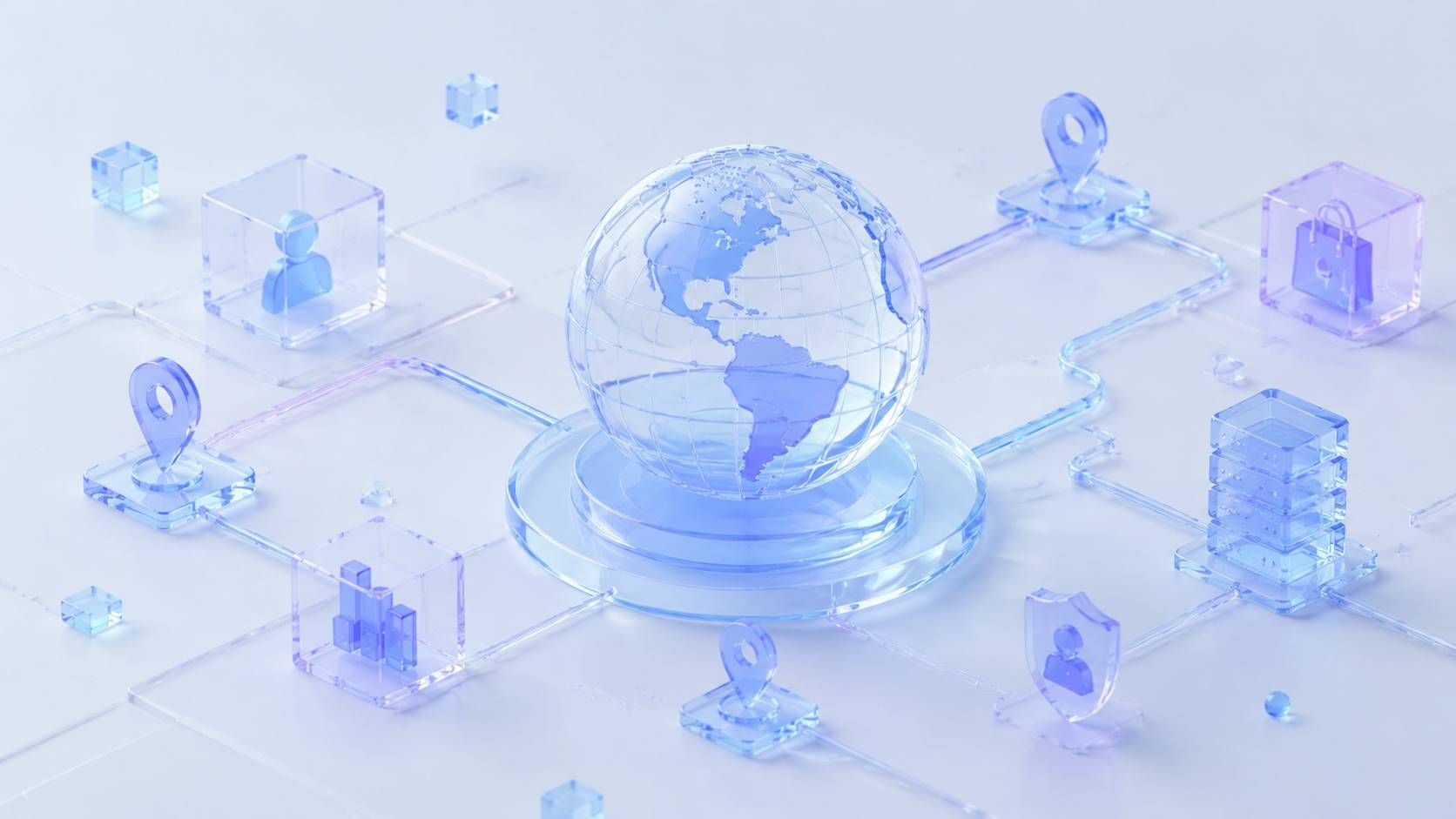
The internet is not a truly borderless space; most platforms provide differentiated content or access permissions based on the geographic location of a user's IP address.
First, this is due to copyright protection and legal compliance.
For instance, streaming giants like Netflix or Hulu offer significantly different libraries across countries. If your business involves content scraping or account testing, using an IP that doesn't match the target country often triggers regional restrictions, resulting in blocked access.
Second, it is a response to the algorithms of search engines and social media platforms.
Google search results prioritize local information highly relevant to the user's geography. Similarly, TikTok or Instagram distribute traffic based on IP geolocation.
If an enterprise targets the German market for short-video operations but uses a US IP, the system will push content to the wrong audience. This not only hinders growth but also risks the account being flagged for abnormal activity.
Core Use Cases: Deep Application Scenarios for Country-Specific Proxies
With an understanding of geographic access mechanisms, we can look at several typical country-specific use cases to see how specific IPs empower business operations.
United States: The "Lithmus Test" for Global Business Risk Control
As the global hub for fintech and e-commerce, the US employs some of the most sophisticated risk algorithms.
Payment Gateway Management: When managing US-based Stripe or PayPal business accounts, systems strictly monitor the ASN (Autonomous System Number) attributes of login IPs.
If an IP hops frequently or is flagged as a data center IP, the account is likely to be placed on a high-risk review list.
Affiliate Marketing (CPA/CML): Many high-commission ad tasks are exclusive to US residents. Using US residential proxies allows for the simulation of authentic clicks and conversion paths, ensuring the compliance of the commission settlement process.
South Korea: High-Barrier Social Media and Gaming Operations
The South Korean internet environment is relatively insular and demands high levels of identity verification (KYC).
Social Media Growth: When conducting brand promotion on Naver or KakaoTalk, non-Korean IPs fail to gain search weight and may even be outright blocked.
Using a native South Korean proxy is the essential key to entering this closed digital ecosystem.
Gaming Environment Simulation: South Korea rigorously protects its gaming industry, with many local servers blocking overseas IPs.
By matching residential IPs from specific cities, studios can maintain stable multi-account uptimes and avoid mass disconnections caused by abnormal network fingerprints.
Southeast Asia (e.g., Vietnam/Thailand): The New Frontier for Mobile-First Business
Internet access in these regions relies heavily on mobile devices, creating a strong preference for Mobile Proxies.
Shopee/Lazada Operations: Risk models for Southeast Asian e-commerce platforms place higher trust in 4G/5G mobile networks.
When executing business plans in Vietnam, matching local mobile carrier IPs allows for the simulation of authentic, fragmented shopping habits of real users.
TikTok Geo-fencing Breakthroughs: For live-stream commerce targeting Vietnamese or Thai markets, IP consistency with the distribution region is vital. Otherwise, algorithms may restrict traffic to the original registration location, limiting conversion rates.
In-Depth Analysis: Why Specific Countries Mean Higher Security
From a risk management perspective, matching specific country IPs significantly reduces the "friction" of digital fingerprints.
First, it helps circumvent financial risk control interceptions.
When a business logic crosses geographic boundaries too rapidly—for example, an account logs in from Asia and instantly initiates a bank transfer in the United Kingdom—this drastic leap is flagged as fraud by payment risk models like PayPal or Stripe.
By using a proxy server consistent with the business target location, network activity can be masked within a reasonable geographic range.
Second, it enhances the stability of high-concurrency tasks.
During large-scale web scraping, selecting IP nodes in or near the country of the target server (e.g., choosing a Tokyo node when accessing e-commerce servers in Japan) leads to lower latency and more stable connections. This physical proximity is a baseline advantage that no algorithmic optimization can replace.
Conclusion
The deeper logic of decrypting proxy IPs lies in understanding the operational rules of global internet platforms.
Matching pure proxy IP resources for specific countries is not just about entering a local market; it is about establishing a long-term, stable business environment within a complex digital ecosystem.
For professional enterprises, understanding and respecting the symbiosis between IP geolocation and business logic is a critical step toward maintaining a lead in global digital competition.
IPDEEP provides highly competitive solutions with its massive global IP pool.
Through IPDEEP's clean, country-level geographic labels and superior concurrency capabilities, users can easily achieve precise matching between business and region, effectively reducing the risk of bans and significantly improving operational success rates.