





Fast vs Real: How to Choose Between Dynamic Datacenter IP and Mobile Proxy IP



Clean IP picks: Static IPs from $1.5 each, Dynamic IPs from $0.5/GB


Recently, many friends have been asking: "Should I use dynamic datacenter IP or mobile proxy IP? Which one is more suitable for me?" These two types of IPs look quite similar.
Some people choose the cheaper option right away, only to be frequently blocked; others pursue "real IPs" at an outrageous cost.
If you are also struggling with "which type of IP to choose," or have tried both but found the results unsatisfactory, let me help you clarify the core logic: When should you use dynamic datacenter IP? When is it necessary to use mobile proxy IP?
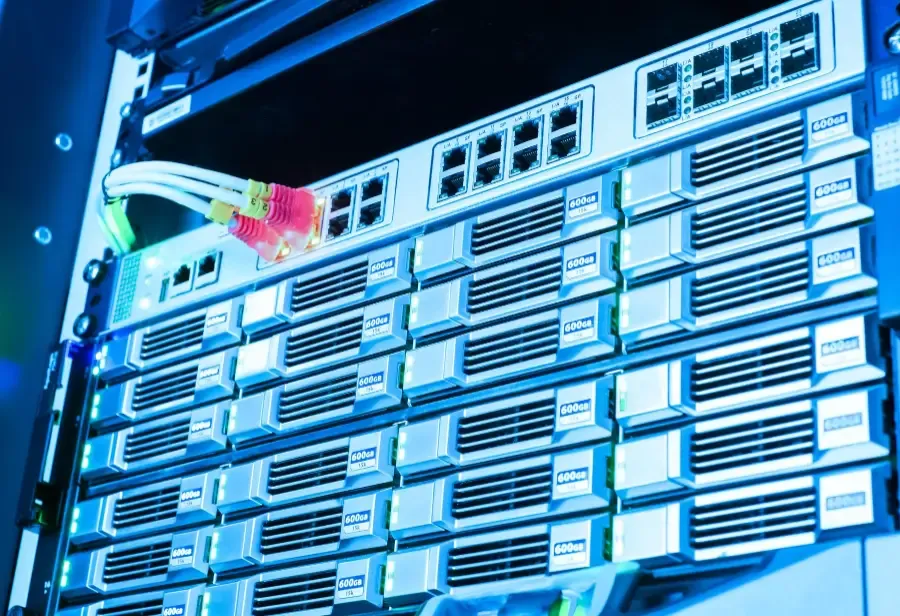
1. First Understand:Dynamic Datacenter IP and Mobile Proxy IP
• Dynamic Datacenter IP:
This type of IP mainly comes from datacenters rather than real mobile device networks. Its characteristics include fast speed, quick response, high stability, and it is usually much cheaper than mobile proxy IPs.
• Mobile Proxy IP:
Its IPs come from real mobile networks, such as 3G/4G/5G user mobile IPs, so it feels more authentic and can easily bypass risk control and verification codes.
2. How to Weigh Speed vs Authenticity of Proxy IP?
Many people are torn: "Which should I choose, speed or authenticity?" Actually, it depends on your usage scenario.
• Dynamic Datacenter IP:
Suitable for large-scale scraping, fast webpage access, heavy crawling tasks, or scenarios with low requirements for real geographic location.
• Mobile Proxy IP:
Suitable for account operations, social media marketing, anti-risk control scenarios, or situations that require simulating real user actions.
In summary: If you need speed, choose datacenter IP; if you need safety and authenticity, choose mobile proxy IP.
3. Comparison Table of Dynamic Datacenter IP vs Mobile Proxy IP
Many people still struggle with "how to choose specifically" after understanding the principles. The table below is more practical; you can directly match your needs:
| Usage Scenario | Recommended Type | Reason | Usage Suggestions |
|---|---|---|---|
| Large-scale web scraping (news, product pages, etc.) | Dynamic Datacenter IP | Strong concurrency capability, sufficient bandwidth, suitable for high-frequency requests | Use with IP rotation mechanism to avoid fixed IP recognition |
| Search engine result scraping (SERP) | Dynamic Datacenter IP | High speed requirement, and most scenarios do not require real mobile identity | Control request frequency to reduce the chance of being restricted |
| Social media account registration/maintenance | Mobile Proxy IP | Closer to real user network environment, reduces risk control recognition | Try to use fixed regional IPs to enhance account stability |
| E-commerce platform operations (login, ordering, commenting) | Mobile Proxy IP | Strict platform risk control, real IP is safer | It is recommended to use high-quality IP providers like IIPDEEP |
| Ad placement verification (multi-region testing) | Mobile Proxy IP | Can simulate the effects of real user access from different regions | Choose providers that support multiple country nodes |
| Data validation/API testing | Dynamic Datacenter IP | Low cost, fast response, suitable for development and debugging stages | Not recommended for formal account environments |
| High-frequency tasks in a short time | Dynamic Datacenter IP | High stability, not easily affected by network fluctuations | Use with request interval control for more stability |
| High-sensitivity platform operations (e.g., finance, account security) | Mobile Proxy IP | Harder to be recognized as proxy traffic | Prefer high-anonymity IPs to reduce risk |
4. Stability and Availability of Proxy IP
Many people overlook an issue: the stability and availability of IPs. Here we must mention the role of IP providers.
• A good IP provider not only offers a vast pool of IPs but also ensures a reasonable IP rotation mechanism and fast response speed.
• Both dynamic datacenter IPs and mobile proxy IPs provided by IPDEEP support on-demand switching and regional allocation, making them very suitable for enterprise-level crawling and marketing needs.
• Additionally, pay attention to the "freshness" of the IPs. Old IPs are easily recognized and blocked by websites, which is why some newcomers frequently fail when using free IPs.
• By choosing a professional IP provider, you can obtain highly anonymous IPs with low ban rates, saving a lot of debugging time.
5. How to Choose the Right Type of IP for Yourself?
There is no universal formula for choosing an IP, but there are several key points to consider:
• Task type: Scraping web pages? Performing account operations? Price monitoring? Different tasks have different requirements for speed and authenticity.
• Access volume: If you access thousands or even tens of thousands of records daily, dynamic datacenter IPs are more economical.
• Risk control intensity: If the target website has strict risk control and frequent verification codes, the advantages of mobile proxy IPs become apparent.
• Cost budget: Don't just look at the price; cost-effectiveness is what matters. Sometimes, slightly more expensive IPs can save a lot of manpower and time costs.
• Reputation of IP providers: Choosing a reputable and stable IP provider like IIPDEEP can help avoid many pitfalls.
6. Dynamic Datacenter IP Practical Experience Sharing
During the day, for large-scale scraping of product information → use dynamic datacenter IP, fast and not easily congested.
• Account login and operations → use mobile proxy IP to ensure account security and avoid bans.
• Do not mix low-quality IPs: whether dynamic datacenter IP or mobile proxy IP, once the quality is poor, it will affect the success rate.
• Regional matching is very important: for localized operations, the IP region should match the target users.
• IP purity determines the upper limit: clean IP + good strategy is more effective than simply stacking quantity.
• There are significant differences between service providers: the stability gap between different IP providers is obvious; platforms like IIPDEEP with relatively mature systems have advantages in IP pool quality and scheduling mechanisms.
Conclusion
Dynamic datacenter IPs and mobile proxy IPs each have their pros and cons; they are not an "either-or" relationship but have different roles.
The truly mature approach is often not to use only one type of IP, but to switch flexibly according to different stages: use dynamic datacenter IP when speed is needed, and mobile proxy IP when stability is required.
Finally, it is recommended to find a reliable IP provider, such as IIPDEEP, and switch flexibly according to tasks to save a lot of hassle with IPs.