




Exploring Data Center IP: The 'Digital Hub' of the Internet World



Clean IP picks: Static IPs from $1.5 each, Dynamic IPs from $0.5/GB


1. Core Definition and Characteristics of Data Center IP
Data Center IP is the IP address assigned to servers by data centers or cloud service providers, primarily used for critical services such as website hosting and cloud computing. Compared to residential IPs, it has four core characteristics:
• High-speed and stable: Based on high-performance servers and high-speed networks, it can provide speeds above 1Gbps, suitable for high network demand applications;
• Sufficient quantity: Covers a wide range of areas, meeting large-scale and multi-scenario usage needs;
• Cost-effective: Bulk operation management reduces costs, with prices far lower than residential IPs;
• Easily detectable: May be identified as a proxy in specific scenarios, posing a risk of being banned.
2. Working Principle of Data Center IP
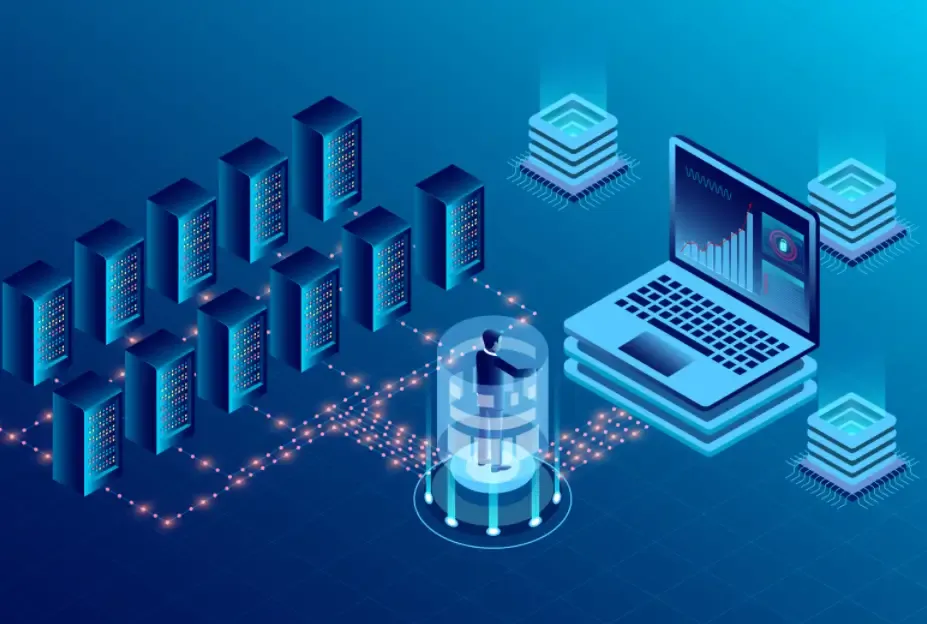
Its core is based on the unique identification and routing selection function of the IP protocol: when a user sends a request, it is forwarded by the Data Center IP proxy server, which replaces the user's local IP with its own IP before sending the request to the target website. This allows for anonymous access, making the target website mistakenly believe the request comes from the proxy server.
(Illustration: User requests are forwarded to the target website via the Data Center IP proxy server)
3. Main Application Scenarios
With its unique advantages, Data Center IP has been widely used in various fields:
• Social media operations: Assists enterprises in registering and operating accounts overseas, enhancing brand exposure;
• Market research: Collects global market data to support enterprise decision-making;
• SEO optimization: Monitors website rankings, bypasses geographic restrictions to obtain search results from different regions;
• Advertising and marketing: Accurately collects user preferences to assist in precise targeting;
• Cybersecurity: Used for intrusion detection and anti-fraud, preventing cyber attacks.
4. Core Differences with Residential IP
| Characteristic | Data Center IP | Residential IP |
| Source | Data Center/Cloud Service Provider | Internet Service Provider (ISP) |
| Speed | High-speed and stable, suitable for high bandwidth | Slower speed, affected by home environment |
| Price | Affordable, suitable for large-scale use | Higher, static IPs are more expensive |
| Anonymity | Relatively high, but easily identified as a proxy | Higher, closer to real users |
5. Future Development Trends
With technological iterations, Data Center IP will develop in three major directions:
• IPv6 Popularization: Replaces IPv4 to solve address exhaustion issues, supporting massive device connections;
• Intelligent Management: Utilizes SDN and AI technologies for dynamic IP allocation, improving resource utilization;
• Blockchain Certification: Enhances IP security and credibility through decentralized technology.
Conclusion
As the 'digital hub' of the internet, IPDEEP service provider is committed to serving customers, ensuring the security of customer data. As a Data Center IP, it is the core foundation for ensuring smooth networks and supporting critical services. In the future, with the expansion of application scenarios and technological upgrades, it will provide a more solid network support for the era of the Internet of Everything, unleashing greater value.