






Dynamic Data Center Proxies: The Best Choice for High-Performance IP Rotation
 Amelia Scott
 2026-01-16 09:34
 Dynamic Data Center
With the continuous growth of internet applications, traditional static proxies can no longer meet the demands of high concurrency and large-scale automated tasks. Dynamic data center proxies, with their flexible IP rotation capabilities and high-speed network performance, have become indispensable tools in modern network operations.
What Are Dynamic Data Center Proxies?
Dynamic data center proxies are proxy services based on a pool of data center IPs that automatically switch to different IP addresses with each connection, effectively avoiding access interruptions caused by IP bans. Compared to static and residential proxies, dynamic proxies enhance anonymity and stability through large-scale IP rotation.
Utilizing high-speed data center networks, dynamic data center proxies provide millisecond-level response times and support massive concurrent access, making them suitable for scenarios requiring frequent requests and efficient data collection.
Core Advantages of Dynamic Data Center Proxies
High Concurrency and Millisecond Response Speed
Based on high-speed data center networks, dynamic proxies can support thousands of concurrent connections, meeting the needs of large-scale automated tasks and greatly improving work efficiency.
Large IP Pool and Automatic Rotation
Backed by a vast IP pool, dynamic proxies support automatic IP rotation, reducing the risk of IP bans while improving anonymity and access success rates.
Low Cost and High Performance, Suitable for High Traffic
Compared to residential proxies, dynamic data center proxies offer cost advantages by providing high-speed and stable IP resources at lower prices, ideal for users with limited budgets but large demand.
Stability and Reliability Assurance
Quality dynamic data center proxy providers ensure IP quality and service stability, guaranteeing smooth experiences even under high-intensity access.
Typical Use Cases for Dynamic Data Center Proxies
· Data Collection and Web Crawling
Avoid target website blocking mechanisms through dynamic IP rotation, enabling efficient and stable data collection.
· Network Load and Stress Testing
Simulate massive user access to test server capacity and ensure system stability.
· Software Development Testing Environments
Support IP switching to simulate multi-region and multi-user environments for testing.
· Cryptocurrency Trading Monitoring
Perform high-frequency access to exchange APIs to ensure data timeliness and security.
How to Choose the Right Dynamic Data Center Proxy Service?
· IP Pool Size and Quality
Choose providers with large and high-quality IP resources to ensure stable access.
· Proxy Switching Speed and API Friendliness
Flexible API support and fast switching capabilities facilitate integration and automation.
· Pricing Plans and Traffic Limits
Reasonable pricing and traffic quotas to meet the needs of users of different scales.
· Technical Support and After-Sales Service
Responsive customer service and technical support to ensure worry-free operations.
IPDeep Dynamic Data Center Proxy Service
As an industry-leading dynamic data center proxy provider, IPDeep offers authentic, high-quality IP resources supporting automatic rotation and high concurrency access. Its diverse plan options meet the needs of individual developers to large enterprises.
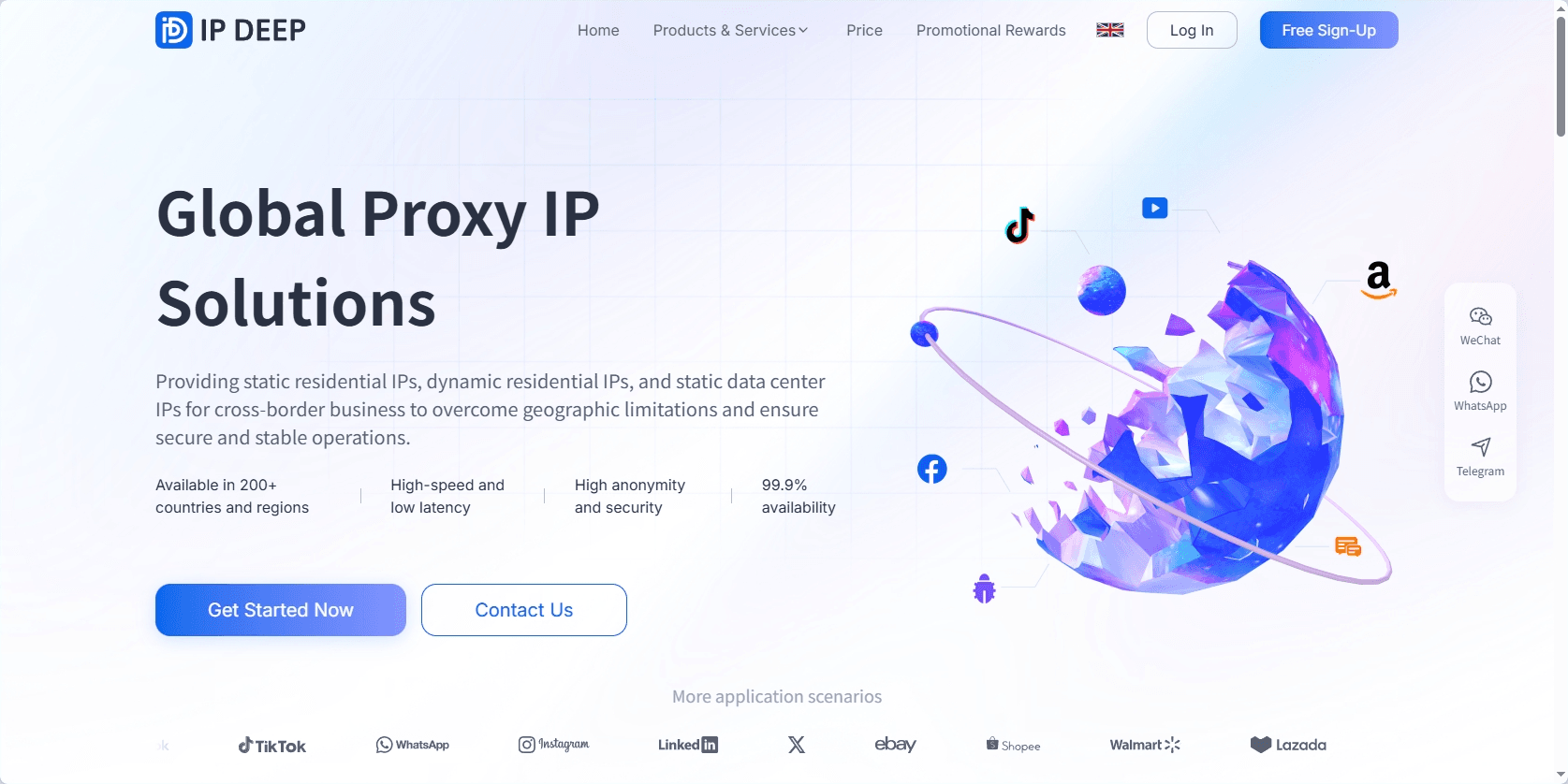
Users can select suitable traffic plans based on business needs and enjoy a stable, high-speed proxy experience. IPDeep’s professional technical team provides comprehensive support, ensuring stable operations even in complex network environments.
Summary
Thanks to its high speed, high concurrency, and automatic IP rotation advantages, dynamic data center proxies are ideal for data collection, testing, and multi-account management scenarios. Choosing a quality dynamic proxy service is key to ensuring stable and efficient automated operations.
FAQs
1. Do I need professional technical support to use dynamic data center proxies?
Although many dynamic proxy services provide simple and easy-to-use interfaces and management tools, professional technical support helps quickly resolve issues and optimize proxy configuration and usage, especially for complex or large-scale automated scenarios.
2. Do dynamic data center proxies affect network speed and stability?
Generally, dynamic data center proxies rely on high-speed data center networks to ensure low latency and stable connections, suitable for businesses requiring fast response times. However, actual experience depends on provider quality and network conditions.
3. How do dynamic data center proxies ensure data security and privacy?
Quality dynamic data center proxy services typically use encrypted transmission and strict access controls to protect user data during transfer and maintain privacy, minimizing risks of information leakage.