




Why TikTok Accounts Get Banned in 2026: Causes & Fixes + IP Comparison



Clean IP picks: Static IPs from $1.5 each, Dynamic IPs from $0.5/GB


In today's increasingly mature cross-border TikTok operations, "account bans" have become an unavoidable "problem" for many cross-border practitioners. Many people have this misconception when they first start TikTok operations:
As long as the content is not in violation, the account will not be banned.
But the reality is, you might get banned right after registering your account. So how does TikTok determine whether an account is "safe"? Why do some users get banned immediately upon registration? Let's discuss this together!
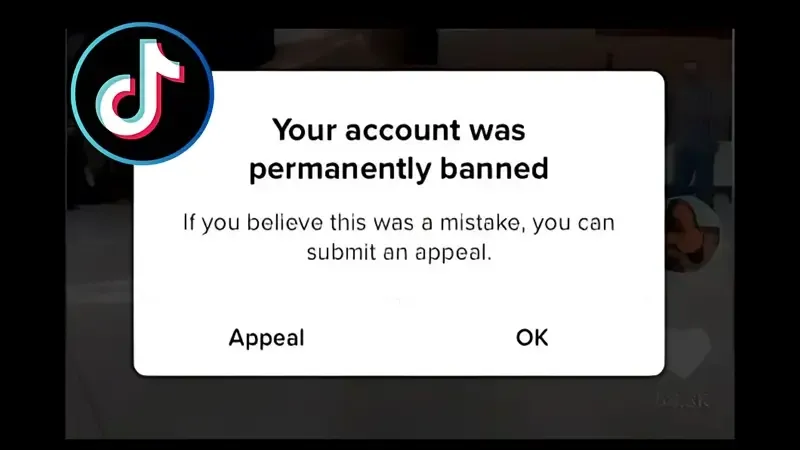
1. The root of TikTok account bans: it's not about content, but about the "environment"
TikTok's risk control system is essentially a multi-dimensional "account credibility assessment system".
It mainly looks at three things:
• Account behavior (what you did)
• Device environment (what you logged in with)
• Network environment (where you logged in from)
Many people only focus on the first point (content violations) but ignore the latter highlights.
Essentially:
Over 80% of TikTok account bans are caused by environmental issues, not content issues.
2. The five fundamental reasons for TikTok account bans
1. Abnormal IP (most critical)
This is currently the core reason for account bans.
Common situations:
• IP frequently switches countries
• The same IP logs into multiple accounts
• Using data center IPs (cheap proxies)
• IP is shared by many users (flagged)
TikTok will determine through IP:
• Whether you are a real user
• Whether you are operating accounts in bulk
• Whether there are studio behaviors
Once identified as having an "abnormal network", it is very difficult for the account to survive.
2. Abnormal behavior (not like a real person)
For example:
• Continuous operation for 24 hours
• Operation rhythm is too mechanical
• Crazy liking/following right after registration
TikTok will judge:
Whether you are a "bot"
3. Abnormal registration environment
For instance:
• Domestic IP registering overseas accounts
• Batch registration in a short time
• Using phone numbers from SMS verification platforms
These will be marked as low-quality accounts.
4. Duplicate device fingerprints
Even if you change accounts, your:
• Browser fingerprint is consistent
• Hardware information is consistent
• System environment is consistent
TikTok can still recognize you as the "same person".
The result is:
If one account has issues, it will be associated with other accounts having issues.
5. Content violations (secondary reason)
Includes:
• Reposted videos
• Sensitive topics
• Infringing content
But note:
Many accounts are banned before they even post content, so the core issue is not here.
3. Why do many people get banned right away?
Ultimately, it is mainly because:
Using domestic networks + ordinary proxies + fingerprint browsers = safe environment
In fact, this combination is seen by TikTok as:
A high-risk operating environment.
4. The key to stable TikTok operations - IP
The quality of IP is key to TikTok operations, and the types of IP that TikTok trusts the most are:
• Real residential IPs
• Fixed address IPs (static)
• IPs with historical behavior
5. IP type comparison (key points)
1. Dynamic residential IP
Characteristics:
• Different IPs for each connection
• From real user networks
Advantages:
• Relatively safe
• Lower cost
Disadvantages:
• Unstable
• Easily triggers risk control (frequent IP changes)
Suitable for: Light operations, testing accounts
2. Data center IP (cheapest)
Characteristics:
• Low price
• Fast speed
• Easily identifiable
Result:
Basically a 100% ban rate, not recommended for TikTok.
3. Static residential IP (recommended)
Characteristics:
• Fixed IP
• Long-term stability
• From real home networks
Advantages:
• Not easily identifiable
• Suitable for long-term account nurturing
• Simulates real users
Disadvantages:
Cost is slightly higher
Suitable for:
Main accounts, commercial operations
6. IPDEEP vs Ordinary Proxies (practical comparison)
In actual testing, the survival rate of accounts with different IPs varies significantly:
Ordinary proxy IP:
• Stability: Poor
• Ban rate: High
• Registration approval rate: Low
Can lead to:
Severe throttling, direct bans, immediate verification upon login
IPDEEP (Residential IP):
• Type: Dynamic + Static
• Coverage: 200+ countries
• IP source: Real residential networks
Advantages:
• Closer to real users
• Reduces risk control identification
• Supports multi-account isolation
Actual effects:
• Higher approval rate for new accounts
• Reduces bulk ban risk
• Significantly extends account survival cycle
7. Conclusion: TikTok account ban logic
TikTok is not checking what you did, but judging whether you are a "real person", and IP is the most critical "identity card".
TikTok operations are essentially a process of "environmental confrontation". The more you act like a real person, the safer your account will be. And a high-quality residential IP is the key to your operational success.