




Are Static Residential Proxies Legal? Uses & Tips



Clean IP picks: Static IPs from $1.5 each, Dynamic IPs from $0.5/GB


Static residential proxy IPs are a neutral network technology. Whether they are legal depends mainly on how they are used and where the IP resources come from.
Using them for legitimate business purposes such as cross-border access testing, market research, and advertising verification is generally considered a normal application of network technology. However, using them for illegal activities such as fraud, account theft, or privacy violations is not protected by law.
This article explains the legality of static residential proxies, common use cases, and key considerations when using them, helping businesses choose and use proxy services more safely.
Are Static Residential Proxy IPs Legal?
The technology itself is legal.
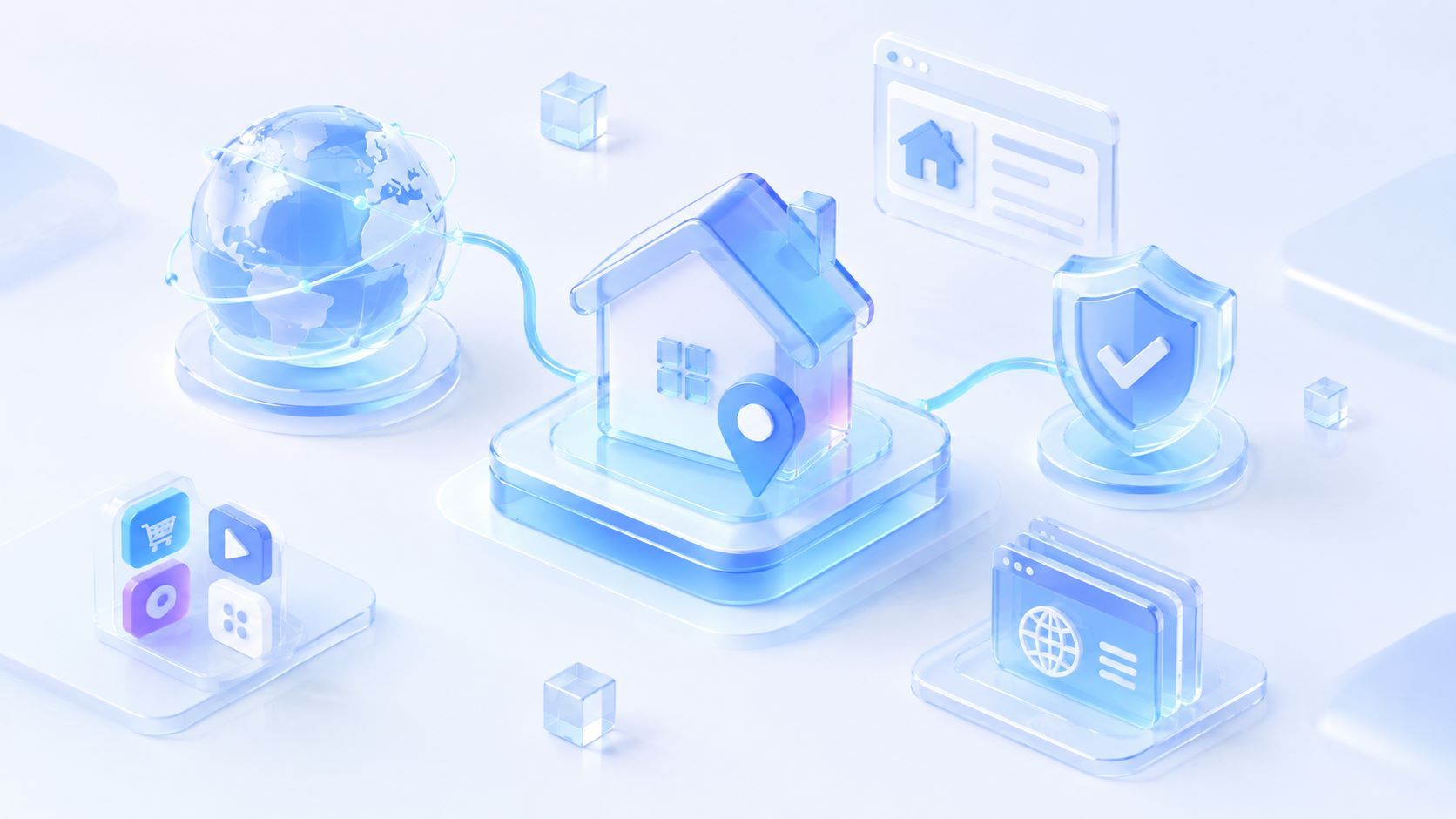
IP proxies are essentially a network routing and data transmission relay technology. A static residential IP refers to a fixed proxy IP that belongs to a residential ISP network and remains unchanged over time. It does not have illegal attributes by itself and is a common network tool.
The key factors are the purpose of use and the source of the IP.
The legal risks associated with proxy technology mainly come from two aspects:
▸ Purpose of Use: Collecting public non-sensitive data, conducting advertising verification, and performing market research are common legitimate uses. Using proxies for fraud, malicious traffic manipulation, account theft, or privacy violations may be illegal.
▸ IP Source: Some proxy resources may come from unclear sources or unauthorized shared networks. Therefore, when choosing a provider, businesses should pay attention to IP sources, resource authorization, and supply chain transparency.
In simple terms: legitimate use cases and transparent IP sources are the key factors in determining whether a proxy can be used safely, not the proxy technology itself.
What Are the Legal Use Cases of Static Residential IPs?
1. Cross-Border E-commerce Store Operations
On platforms such as Amazon, eBay, and Shopee, platform security systems monitor login IP attributes and changes.
Assigning a dedicated static residential IP to each store helps maintain a stable login environment and reduces risks from frequent IP changes.
2. Overseas Social Media Account Management
When managing accounts on platforms such as Facebook, Instagram, and TikTok, maintaining the same network environment over time is more stable than frequently changing IPs and can reduce risks caused by abused shared IP addresses.
3. Advertising Verification and Brand Protection
Advertisers need to verify the actual display of ads in different regions, while brands need to monitor competitor pricing and promotional activities.
Static residential IPs provide fixed and reliable local network exits, allowing verification and monitoring tasks to be performed from a perspective closer to real users.
4. Data Analysis and Market Research
For scenarios that require long-term access to specific data sources through a fixed network exit, static residential IPs can provide stable IP whitelist credentials and help businesses manage access control.
What Should You Consider When Using Static Residential IPs?
1. Check IP Sources and Authorization Methods
When choosing a proxy provider, pay attention to whether the IP source is clear and whether the resources have proper authorization.
Low-cost resources from unclear sources may create network reputation and compliance risks.
2. Choose Dedicated IPs Whenever Possible
Shared IPs are used by multiple users. If one user violates platform rules, other users sharing the same IP may also be affected. For long-term account operations, dedicated static residential IPs are recommended.
3. Use Detection Tools to Verify IP Attributes
After obtaining an IP, you can use detection tools to check:
▸ ASN Ownership (UK residential IPs usually show ISP information from providers such as BT, Sky, and Virgin Media)
▸ Whether the IP is identified as a data center or proxy IP
▸ Whether the IP has a clean history
Frequently Asked Questions
Q1: What Is the Difference Between Static Residential Proxies and Data Center Proxies?
The main difference is the IP source. Data center proxy IPs come from servers in hosting facilities. They are usually cheaper and faster, but are more likely to be identified as data center networks.
Static residential proxy IPs belong to residential ISP networks and remain fixed over time, making them closer to real user network environments.
Q2: Is Using Static Residential IPs for Public Web Data Collection Illegal?
Collecting publicly available data from the internet is generally legal in many regions, but users must comply with data protection regulations, respect website terms of service, avoid collecting sensitive personal information, and ensure the proxy IP source is legitimate.
Q3: Why Are Static Residential IPs More Expensive Than Data Center IPs?
Static residential IP resources differ from data center IPs in terms of ownership and acquisition methods. They rely on long-term fixed residential network exits, making the resources more limited and generally more expensive.
Q4: How Can You Ensure the Quality of Purchased Static Residential IPs?
Choose providers that offer legitimate services, dedicated IP resources, and clear availability guarantees. Combined with regular IP health checks, these practices can help maintain stable proxy performance.
The value of static residential proxy IPs lies in providing stable local network exits for cross-border business operations. With transparent sources and compliant usage, they can serve as a normal business networking tool.
If you are looking for transparent-source and dedicated static residential IPs, visit IPDeep to check available nodes and services. For more node and package information, visit the IPDeep official website.