




Static Residential Proxies: Definition & How They Work



Clean IP picks: Static IPs from $1.5 each, Dynamic IPs from $0.5/GB


With the development of internet technologies and the diversification of online business, proxy servers have become essential tools for many enterprises and individuals. Among them, static residential proxies have become the preferred solution in cross-border e-commerce, advertising, and social media marketing due to their high security, strong stability, and high IP credibility.
This article will provide a detailed introduction to the definition, working principles, advantages, and use cases of static residential proxies, helping you quickly understand how they work.
1. What Is a Static Residential Proxy?
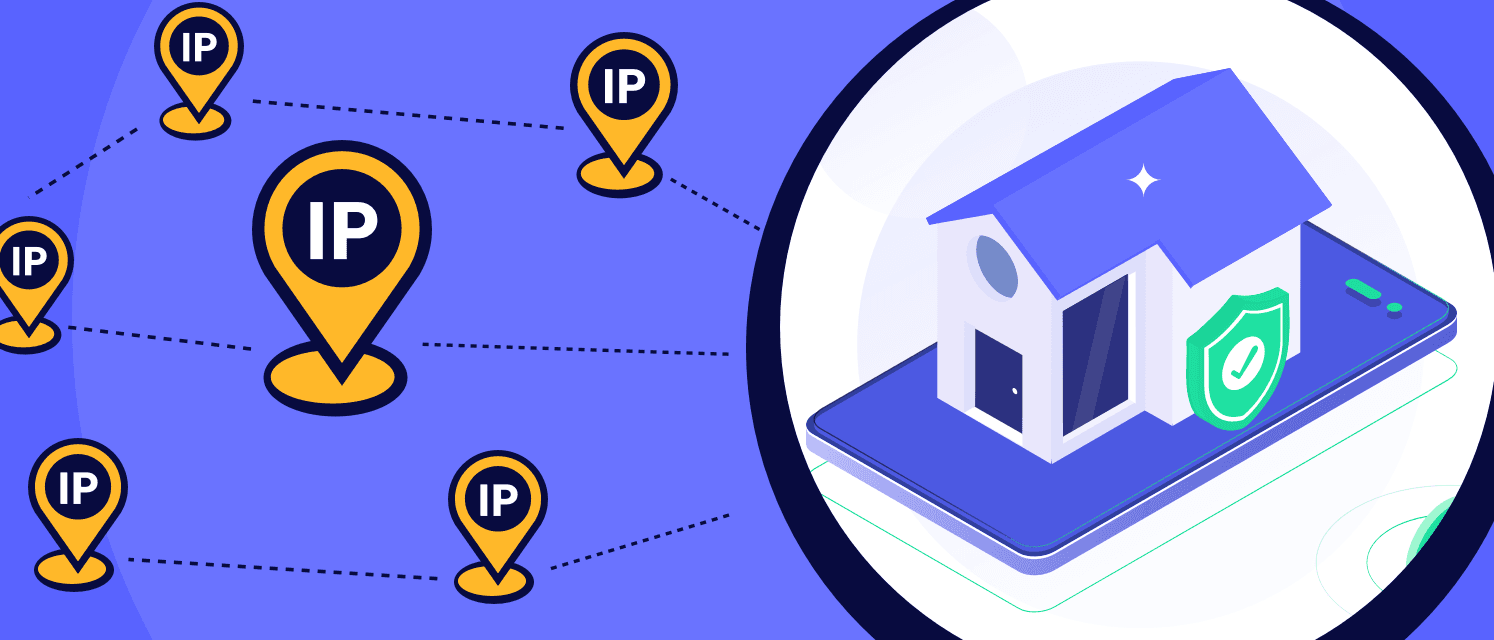
A static residential proxy is a type of proxy service that uses residential IPs for internet access. Unlike datacenter proxies, static residential proxy IPs come from real household networks and are assigned by internet service providers (ISPs).
“Static” means each IP address remains fixed for a long period of time, rather than rotating frequently. This allows users to operate with the same IP for extended periods, effectively reducing ban or risk-control triggers.
2. How Static Residential Proxies Work
The core principle of static residential proxies is to relay user traffic through a proxy server when accessing a target website, hiding the user’s real IP and showing a residential IP instead.
The workflow is as follows:
1. User Request: The user initiates a request through a browser or application.
2. Proxy Relay: The request is routed through the static residential proxy server, which sends the request to the target website using the residential IP.
3. Data Return: The website sends the response back to the proxy server, which forwards it to the user.
Since residential proxy IPs resemble ordinary home network addresses, it becomes difficult for websites to detect proxy usage. Additionally, static residential proxies commonly support HTTPS, ensuring encrypted transmission and enhanced privacy.
3. Advantages of Static Residential Proxies
Compared to other types of proxies (such as datacenter proxies or rotating residential proxies), static residential proxies offer clear advantages:
Strong stability: IPs remain fixed long-term, ideal for sessions that require consistent logins or long-term operations.
High credibility: Residential IPs originate from real household networks, making it difficult for websites to flag them as suspicious.
Privacy protection: Requests are routed through the proxy, encrypted, and shield the user’s real IP from exposure.
4. Use Cases for Static Residential Proxies
1. Cross-border e-commerce account management
On platforms like Amazon and eBay, merchants often manage multiple accounts. Static residential proxies help prevent account linking by ensuring each account uses a unique, stable IP—reducing the risk of mass bans.
2. Social media operations
Platforms like Facebook, TikTok, and Instagram are sensitive to unusual IP activity, and accounts can be banned easily. Static residential proxies provide stable, trusted IPs that help marketing teams manage multiple accounts safely.
3. Data collection & web scraping
Static residential proxies can bypass IP restrictions for long-term stable scraping, ideal for price monitoring, market research, and content aggregation.
5. Comparison With Other Proxy Types
| Feature | Static Residential Proxy | Rotating Residential Proxy | Datacenter Proxy |
|---|---|---|---|
| IP Source | Real Residential ISP | Real Residential ISP | Datacenter |
| IP Stability | Long-term fixed | Periodically rotates | Long-term fixed |
| Ban Risk | Low | Medium | High |
| Speed & Latency | Medium-High | Medium | High |
| Typical Use Cases | Multi-account management, ad campaigns, social media operations | Web scraping, large-scale requests | Automation tasks, traffic collection |
6. Conclusion
With stable IPs and high credibility, static residential proxies have become a preferred choice for use cases such as cross-border e-commerce, advertising, and social media operations. When used correctly, they not only protect user privacy but also reduce account ban risks and increase operational efficiency.
IP Deep offers globally distributed IP resources, flexible rotation mechanisms, and high availability—helping businesses run cross-border operations more efficiently and securely.
If you are also managing multiple accounts, consider trying IP Deep. It provides a safer, more efficient way to manage your accounts and improve operational security.