




Static Residential IP for ChatGPT: AI Usage Guide



Clean IP picks: Static IPs from $1.5 each, Dynamic IPs from $0.5/GB


With the growing popularity of generative AI tools, many users may occasionally encounter issues such as “Access Denied”, frequent verification requests, or abnormal account functions when using platforms like ChatGPT.
These issues are often related to the quality of the network exit IP and the overall account environment.
This article explains the role of Static Residential IP in ChatGPT usage from a technical perspective and provides practical optimization suggestions.
Why Do Users Encounter Restrictions When Using ChatGPT?
ChatGPT from OpenAI uses multiple security mechanisms.
The platform typically evaluates risks based on various factors, including IP reputation, device environment, login behavior, and account status. Common environmental factors include:
IP reputation risks: Some network exit IPs may have been heavily shared by multiple users or associated with unusual activity in the past, which can reduce their reputation and increase the likelihood of security verification.
Frequent network changes: If a user's network location changes frequently within a short period, such as switching between different countries, it may appear inconsistent with normal login behavior and trigger additional verification.
Inconsistent device or browser fingerprints: Differences in browser settings, operating system, time zone, language, and other environment parameters compared with the IP location or normal usage patterns may increase verification requests.
What Is a Static Residential IP? Key Advantages Explained
A Static Residential IP is also known as a Static ISP Proxy. It is a fixed IP address sourced from internet service provider networks, such as AT&T and Comcast.
Better network reputation: Residential IPs are typically classified as home or ISP networks in IP databases. Compared with data center IPs, they are closer to normal user network environments and generally have higher trust levels.
Long-term fixed exit address: Unlike dynamic IPs that change periodically, static residential IPs remain unchanged during the service period, providing a stable network exit and reducing abnormal login alerts caused by frequent IP changes.
Cleanliness and availability: High-quality static residential IPs usually have lower risk scores, helping reduce access issues caused by poor-quality IPs and improving the stability of AI tool features such as image generation and web browsing.
AI Tool Usage Environment Optimization Guide
To build a stable long-term AI usage environment, consider optimizing three areas: network, device environment, and usage habits.
Choose the Right Network
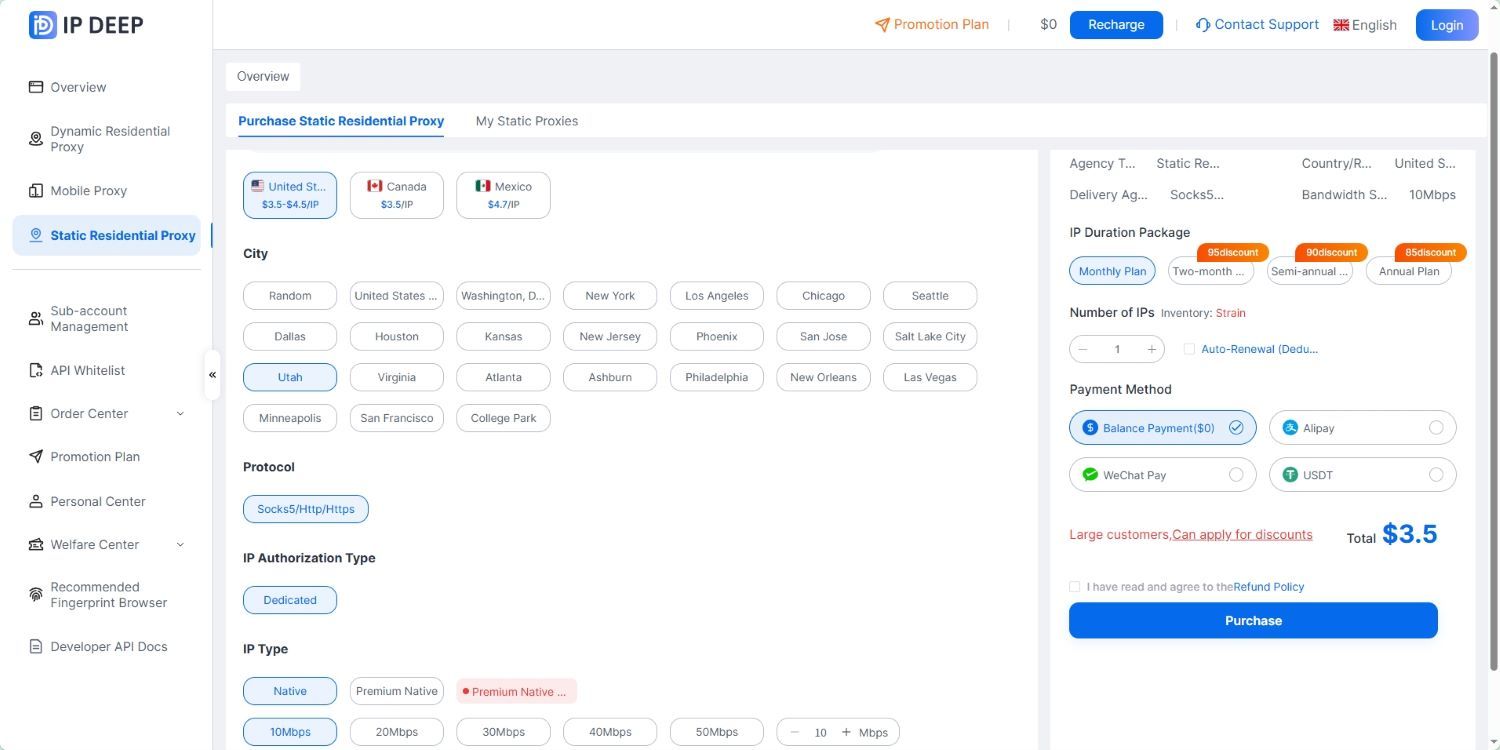
For users with higher isolation requirements, choosing a dedicated static residential IP can help maintain an independent and reliable network environment.
Manage the Environment with an Anti-Detect Browser
For multi-account management or users with higher security requirements, using an anti-detect browser can be an effective solution.
It helps manage and isolate browser environment parameters, allowing each account to operate in a relatively independent environment and reducing risks caused by browser fingerprint association.
Maintain Consistent Usage Habits
Location consistency: Accounts should preferably be accessed from a stable environment and avoid frequent country-level changes within a short period.
Normal usage patterns: Maintain consistent login habits and avoid frequent cookie clearing or repeated login and logout actions.
Conclusion
Choose the appropriate network configuration based on your actual needs:
Personal occasional use: A regular residential IP or reliable network connection is usually sufficient for basic needs.
Multi-account or business operations: A stable and independent network environment, such as a static residential IP, combined with proper account management practices, can help reduce environmental association risks and improve business continuity.
Enterprise applications/content creation: For businesses requiring high account stability and continuous access, dedicated static residential IPs can help improve work efficiency.
For global static residential IP solutions covering more than 200 countries and regions, visit IPDeep official website for more information.
Frequently Asked Questions (FAQ)
Q1: Can a Static Residential IP completely prevent ChatGPT access restrictions?
Not completely. IP quality is only one part of the overall network environment. Access results also depend on factors such as account status, device fingerprint, and user behavior.
However, a clean and stable residential IP can significantly reduce abnormal verification caused by poor network conditions.
Q2: Why does my static IP feel slow?
The main advantages of static residential IPs are stability and higher network trust, rather than maximum physical bandwidth.
Since traffic may pass through additional routing paths, latency can be slightly higher than direct data center IP connections.
However, the bandwidth and latency are generally sufficient for ChatGPT text conversations and image generation.
Q3: How should I choose between Static ISP Proxy and Data Center Proxy?
For applications requiring stable network environments, such as social media management, e-commerce operations, and long-term AI tool usage, Static ISP Proxies are usually a better choice.
For high-speed data collection tasks that do not involve sensitive account operations, data center proxies offer better cost efficiency.