




Proxy IPs for Multi-Account Anti-Detection: A Must-Read Guide



Clean IP picks: Static IPs from $1.5 each, Dynamic IPs from $0.5/GB


In cross-border e-commerce and social media management, many people operate multiple accounts simultaneously. However, platforms like Amazon, eBay, and TikTok have very sophisticated environment detection systems.
Once they detect multiple accounts operating from the same network environment, they may flag it as “account association,” which can lead to bans or restricted traffic.
So how can you use proxy IPs to prevent account association? Let’s take a closer look!
Why Use Proxy IPs for Multi-Account Management?
One of the main ways platforms detect account association is through IP addresses.
Unique Identification:
If two accounts frequently log in from the same IP and device, the platform assumes they are operated by the same person.
Geolocation:
If you run a US-based store but frequently access it from a Chinese IP, the system may trigger security checks.
ISP Information:
Platforms can distinguish whether your IP comes from a real home broadband or a data center.
Datacenter IPs are usually considered indicative of bulk operations and carry lower trust.
How to Choose Between Different Types of Proxy IPs
Depending on the underlying technology, the main types of proxy IPs on the market can be divided into three categories. The table below summarizes the differences for easy reference.
Recommended Proxy IP Providers for Anti-Association in 2026
1. IPDeep
Key Advantages:
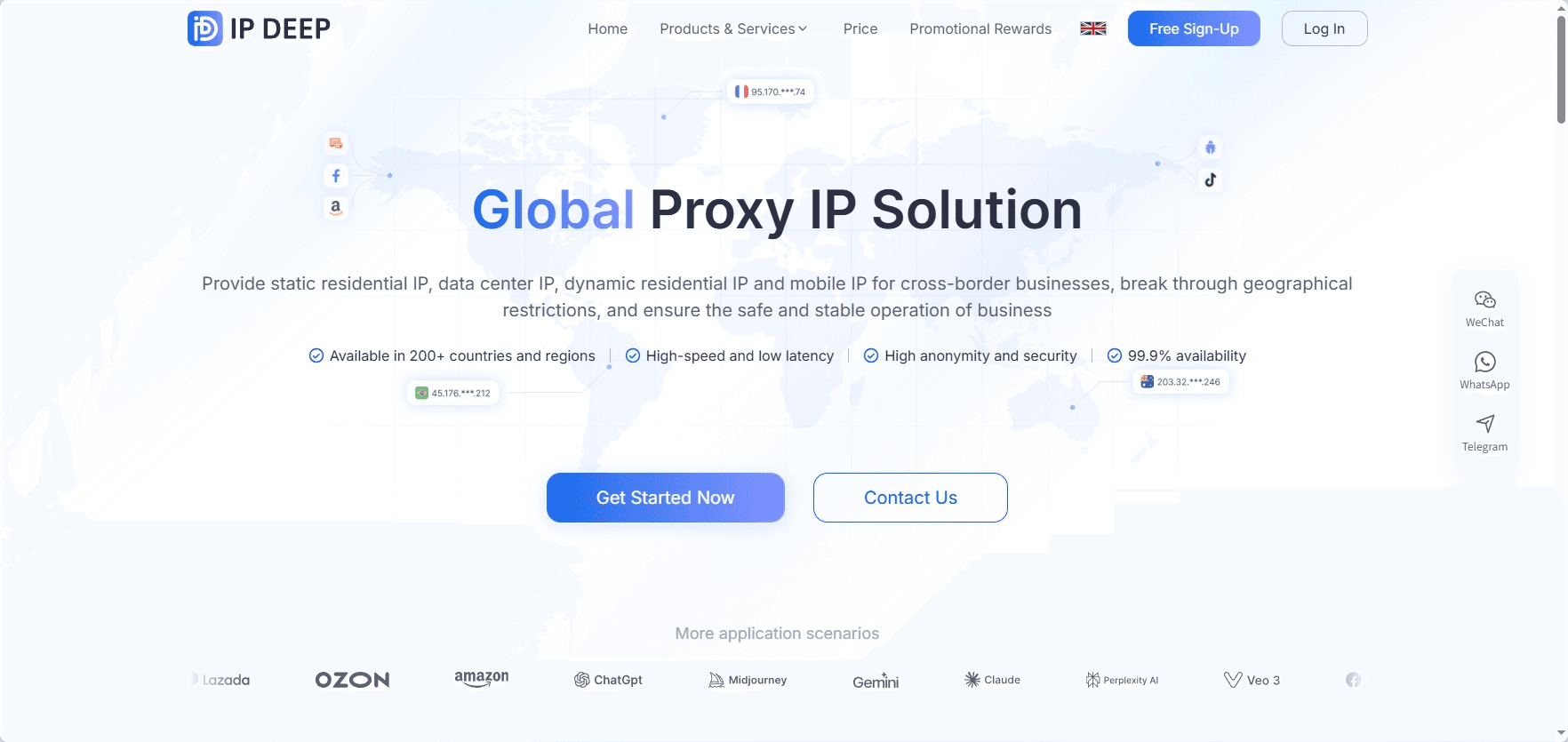
Their IP resources are not the typical shared IPs found on the market, but dedicated ISP proxy IPs developed in-house.
This means the IPs you purchase have no history of high-frequency use by other e-commerce sellers, keeping the fraud score at a very low level.
Use Case:
If you run a premium Amazon store or manage high-value Facebook accounts over the long term, IPDeep’s stability ensures frequent logins won’t trigger verification due to IP environment changes.
2. Oxylabs
Key Advantages:
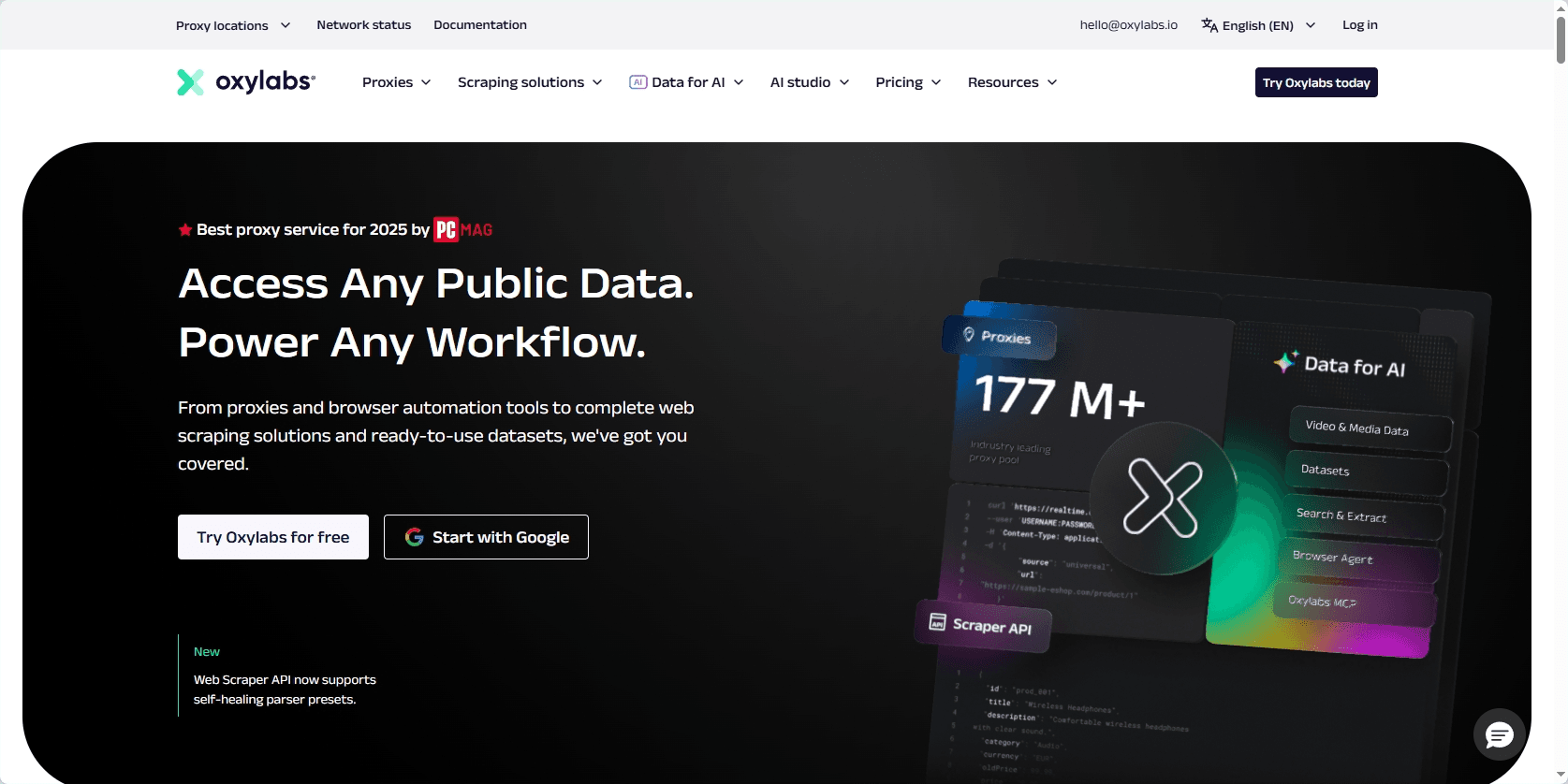
Their static residential IPs are sourced directly from major ISPs.
They offer strong concurrent processing capabilities and low network latency, providing a very smooth user experience.
Use Case:
Ideal for platforms that are sensitive to network environments.
3. NetNut
Key Advantages:
Their IPs are directly authorized by ISPs, offering high anonymity and realism.
Use Case:
Suitable for tasks requiring long-term online presence where frequent IP changes are not feasible.
How to Identify High-Quality Proxy IPs
After purchasing, you can verify IP quality through the following steps:
Fraud Score Check: Lower scores are safer; it’s recommended to choose IPs with scores below 20.
Blacklist Check: Ensure your IP is not listed on major anti-spam or security blacklists (e.g., DNSBL).
Geolocation Consistency: Use Whoer.net to confirm the IP city matches the location you selected when purchasing.
WebRTC Leak Test: Ensure your browser environment does not reveal your real IP address.
Using Proxy IPs with Fingerprint Browsers
Having a proxy IP alone is not enough. It’s recommended to integrate it with a fingerprint browser.
Setup Steps: Create a separate environment in the fingerprint browser and enter the proxy details (host, port, username, password).
No Mixing: Each IP should correspond to only one account. Do not use the same IP in one environment today and another tomorrow.
Local Environment: If accessing overseas proxies from China is slow, consider using a local relay server or configure a dedicated proxy acceleration path in the fingerprint browser.
FAQ
1. Why was my account banned even though I used residential IPs?
IPs are only part of anti-association. Bans may also involve browser fingerprints, user behavior (e.g., high-frequency orders in a short period), payment card links, or leftover cookies.
2. Do static residential IPs expire?
Yes, providers typically charge monthly. It’s recommended to enable auto-renewal; otherwise, if the IP is purchased by someone else, your account environment cannot be fully restored.
3. Can I safely use free proxy IPs?
No. Free proxies are usually shared among many users, may contain malicious scripts, and can easily lead to account bans.
Conclusion
For long-term stable store operations, static residential IPs remain the safest technical solution.
It’s recommended to perform small-scale tests first to confirm speed and cleanliness on specific platforms before deploying at scale.