




How to Sell on Yandex Market? 2026 Seller Guide



Clean IP picks: Static IPs from $1.5 each, Dynamic IPs from $0.5/GB


How to sell on Yandex Market? Chinese sellers can currently apply for a cross-border store through a registered business entity and sell products to customers in Russia.
The process mainly includes preparing business documents, creating a Yandex ID, setting up store information, configuring logistics, and completing platform review.
If you are considering selling on this platform, there are three key questions to answer first: Can you register? What documents are required? And how will your products be shipped to customers?
Is Yandex Market Suitable for Chinese Sellers?
Russia's e-commerce market has continued to grow in recent years, with consumers showing strong acceptance of Chinese products. Categories such as consumer electronics, home appliances, and household goods maintain steady demand.
The three major e-commerce platforms in Russia are Wildberries, Ozon, and Yandex Market:
These three platforms are not direct substitutes. Many sellers operate on multiple marketplaces at the same time. If your products are easier to discover through search-based shopping scenarios, Yandex Market's traffic model may be a better fit.
Product visibility is usually influenced by factors such as pricing, inventory availability, delivery speed, customer reviews, and the completeness of product information. These are also areas sellers need to continuously optimize after joining the platform.
Yandex Market Seller Requirements
Chinese cross-border sellers usually need to apply with a registered business entity. Before submitting an application, prepare the following:
▸ Business License: Mainland China companies should provide their Unified Social Credit Code (USCC). Hong Kong companies should provide their Company Registration Number (CRN) and Business Registration Number (BRN).
▸ Legal Representative ID: A scanned copy of identification documents for the company's legal representative.
▸ Contact Information: A phone number for receiving verification codes (Mainland China numbers should include the +86 prefix) and a valid email address.
▸ Product Information: Product names and descriptions in Russian, along with product pricing in the selected currency.
▸ Settlement and Payment Information: Decide on the settlement currency in advance (RUB, CNY, or USD).
▸ Logistics Plan: Confirm the product storage location and shipping method.
The settlement currency is selected during registration and cannot be changed later. New stores created under the same account will follow the same currency setting. Since different currencies may involve different payment channels and fees, it is recommended to confirm your payment method before registration.
Yandex Market charges fees for product display, order processing and delivery, and promotional services. These fees are deducted from sales revenue, and there is no fixed annual store fee.
How to Register and Open a Yandex Market Store
The official cross-border seller registration portal is partner.market.yandex.com. The process includes five main steps:
1. Create a Yandex ID
Prepare a working Yandex ID and complete verification through email or phone number.
This ID will be used to manage your store. It is recommended to keep it separate from your personal account for easier management.
2. Enter Basic Store Information
Fill in your registration country, name, phone number, and email address on the seller registration page, then create a store name.
The store name will be displayed to customers and should preferably use Russian. English names should be registered trademarks.
The name can contain up to 50 characters and cannot include other brands' trademarks, contact information, or promotional terms such as "lowest price" or "free".
3. Submit Business Information and Documents
Enter your company name and registration number in English and Chinese, upload your business license and legal representative ID documents, and select the product storage country and planned categories.
The company name should match the information shown on your business license.
4. Select Settlement Currency and Logistics Model
Choose your settlement currency from the available options, then select the appropriate operating model:
All three models use Market for final-mile delivery. The main differences are who handles storage and which transportation steps the seller is responsible for.
Sellers who want to test products without holding inventory usually start with FBS. Those who can manage international shipping may choose FBS Last Mile, while FBP allows sellers to outsource warehousing and focus on inventory management.
Different models can be combined under the same account, but each model requires a separate store registration. Available logistics options and supported locations depend on the choices shown in the seller dashboard.
5. Submit Application and Wait for Review
Review all information on the summary page and submit your application. According to the official guidelines, the review process usually takes 3 business days or less. During this period, sellers can prepare product information in advance.
Account Management Environment and IP Selection
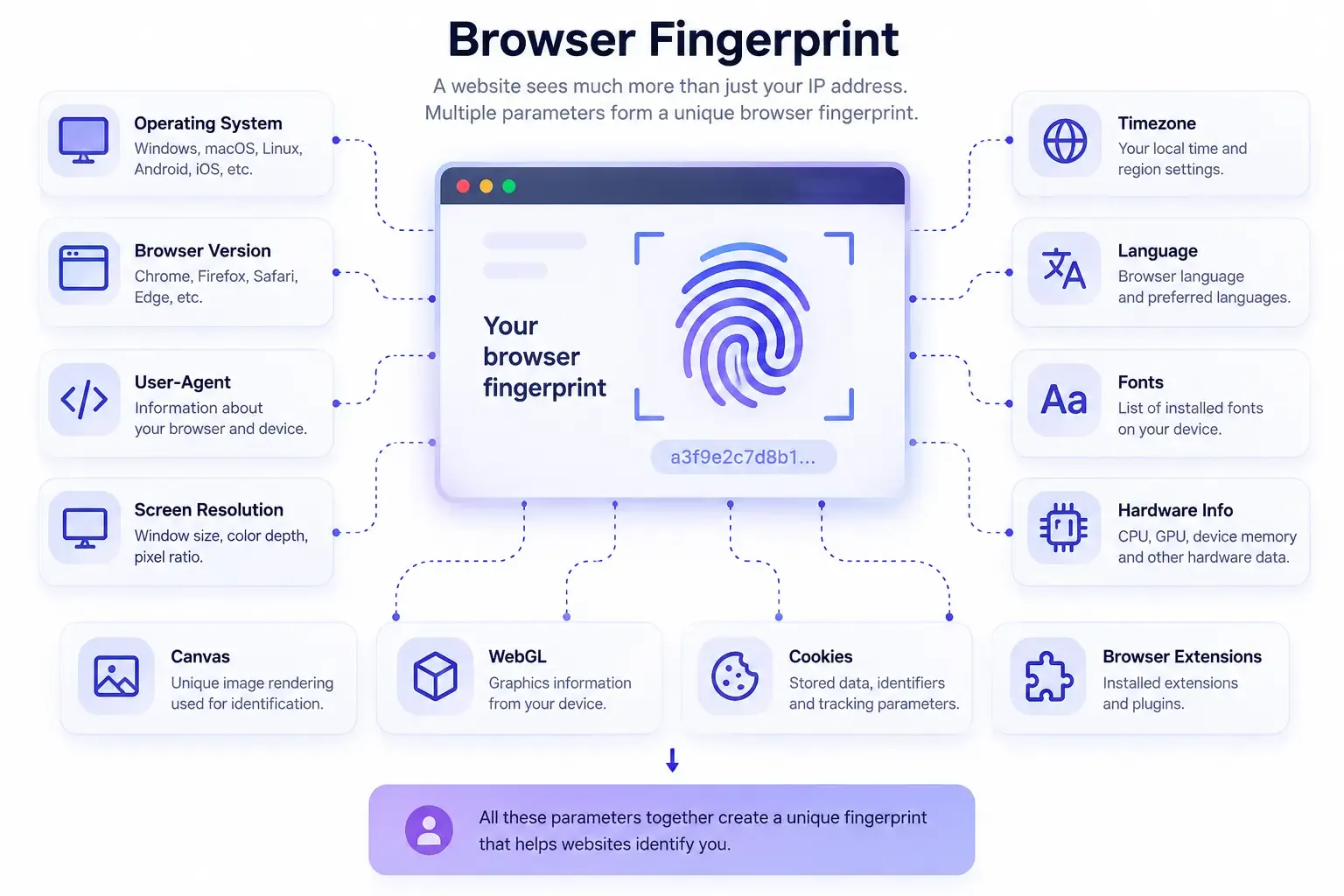
Yandex and other international e-commerce platforms usually evaluate account activity based on multiple factors, including login location, IP address, device environment, and user behavior.
If a team manages multiple stores at the same time, it is recommended to:
▸ Maintain a relatively independent browser environment for each store and avoid repeatedly switching accounts in the same environment;
▸ Avoid frequently changing IP locations across different countries within a short period;
▸ Use a stable residential network environment to reduce unnecessary login changes.
These practices can only reduce network-related fluctuations and cannot replace the platform's requirements for business compliance and product quality.
A static residential IP provides a fixed exit IP during the rental period, making it suitable for scenarios that require long-term dashboard access and consistent sessions.
Data center IPs come from hosting networks. On platforms that evaluate access sources, their characteristics may differ from those of local residential networks.
After configuration, you can use an IP detection tool to check the IP location, ASN, and network type, as well as verify whether DNS or WebRTC leaks exist.
If you experience issues accessing Yandex Market or other Yandex services, such as pages not loading, connection errors, or frequent verification requests, you can first check your network connection, DNS settings, browser cache, and proxy configuration. For more details, see How to Fix Yandex Not Opening: Common Causes and Solutions.
IPDEEP provides static residential IPs (fixed IPs) across multiple countries and regions. Plans start from $2-$8.9/IP/month, support HTTP, HTTPS, and SOCKS5 protocols, and can be used for e-commerce dashboard access, overseas market research, and long-term stable connections.
Product Selection Trends in 2026
Based on Russian consumer demand, Chinese sellers can focus on the following product categories:
▸ Consumer Electronics: Smartphones, tablets, laptops, and portable audio devices. These products are highly standardized and suitable for cross-border shipping.
▸ Small Appliances and Tools: Hair dryers, robot vacuums, coffee machines, and DIY tools. Sellers should ensure products are compatible with Russia's 220V power standard.
▸ Home and Kitchen Products: Tableware, kitchen tools, textiles, and other everyday consumer goods.
▸ Automotive Accessories: Car parts and maintenance tools, which have steady demand in the Russian market.
Russian consumers generally pay close attention to price, durability, delivery speed, and after-sales service. Cross-border sellers should plan inventory and return processes in advance.
Product compliance should also be considered during selection. For example, electronic products with pre-installed software need to meet relevant Russian requirements and provide accurate product information. Otherwise, buyers may request returns due to product compliance or quality issues.
Frequently Asked Questions
Q1: Can Chinese individuals register on Yandex Market?
Currently, cross-border sellers mainly apply through business entities.
Mainland China companies use the Unified Social Credit Code (USCC), while Hong Kong companies use the Company Registration Number (CRN) and Business Registration Number (BRN).
Q2: What logistics models does Yandex Market support?
Yandex Market currently provides three models: FBS, FBS Last Mile, and FBP. The first two require sellers to handle storage and packing, with differences mainly in the handover process. FBP allows Market partners to manage warehousing and packing.
Final-mile delivery is handled by Market for all three models.
Q3: Do sellers need to register a Russian company to join Yandex Market?
No. Foreign companies can sell directly on the platform as long as products are located outside Russia when orders are placed.
If you plan to store inventory locally in Russia in the future, you can then consider local business entities and tax arrangements.
Q4: Which platform is better for Chinese sellers: Yandex Market, Ozon, or Wildberries?
Ozon and Wildberries have larger user bases, while Yandex Market benefits from Yandex's search ecosystem and has advantages in product search and comparison scenarios.
Each platform requires different capabilities. Sellers can choose based on their product categories, logistics resources, and operational experience. Many businesses operate multiple marketplaces simultaneously.
Conclusion
The Yandex Market cross-border registration process is relatively straightforward: prepare business documents and product information, complete registration according to official guidelines, select your settlement currency and logistics model, and start selling after approval.
The two factors sellers should plan carefully in advance are logistics operations and account management environment, as they directly affect future operating costs and daily efficiency.