




Unlock Global Opportunities: 5 Top South African Proxy IP Providers



Clean IP picks: Static IPs from $1.5 each, Dynamic IPs from $0.5/GB


With the global expansion of cross-border e-commerce, South Africa, as the largest economy and an emerging digital market in Africa, is demonstrating tremendous business potential.
Whether it’s the official launch of Amazon South Africa (Amazon.za) or the rapid rise of TikTok social commerce in the region, higher demands are being placed on the network environment for professionals.
Obtaining high-purity South African proxy IPs has become a technical prerequisite for entering the South African market.
So what exactly are South African proxy IPs used for, how should they be deployed, and which providers offer South African proxy IPs? Let’s find out!

Why South African Proxy IPs Are Key to Entering the African Market
As one of Africa’s largest economies, South Africa has a unique network environment and business regulations. Using local South African proxy IPs is a technical prerequisite for the following operations:
1. Local E-commerce Registration
Since Amazon officially launched in South Africa in 2024 (Amazon.za), alongside local giant Takealot, these platforms enforce strict checks on the geographic origin of IPs for registration.
2. Content Algorithm Targeting
TikTok and Facebook traffic in Africa is primarily location-based (LBS). Videos posted from non-South African IPs rarely reach the local core traffic pool.
3. Financial and Payment Testing
South African banking systems and payment gateways often restrict access from overseas IPs. Testing local payment flows requires local residential IPs.
Key Metrics for Identifying High-Quality South African Proxies
When selecting South African proxies, it’s recommended to evaluate IP quality across the following technical dimensions:
Native ISP Attributes
Check the IP type in databases such as IP2Location. It should be listed as “Residential” and belong to South African ISPs like Telkom, Vodacom, or MTN.
ASN (Autonomous System Number) Consistency
High-quality providers offer clean local ASN numbers, indicating that the IP is not routed from a European data center and has a lower chance of being blocked.
Fraud Score
Tools should show a score below 20. A high score indicates previous misuse for spam or automated attacks, which can result in platform restrictions.
5 Recommended South African Proxy IP Providers
1. IPDeep
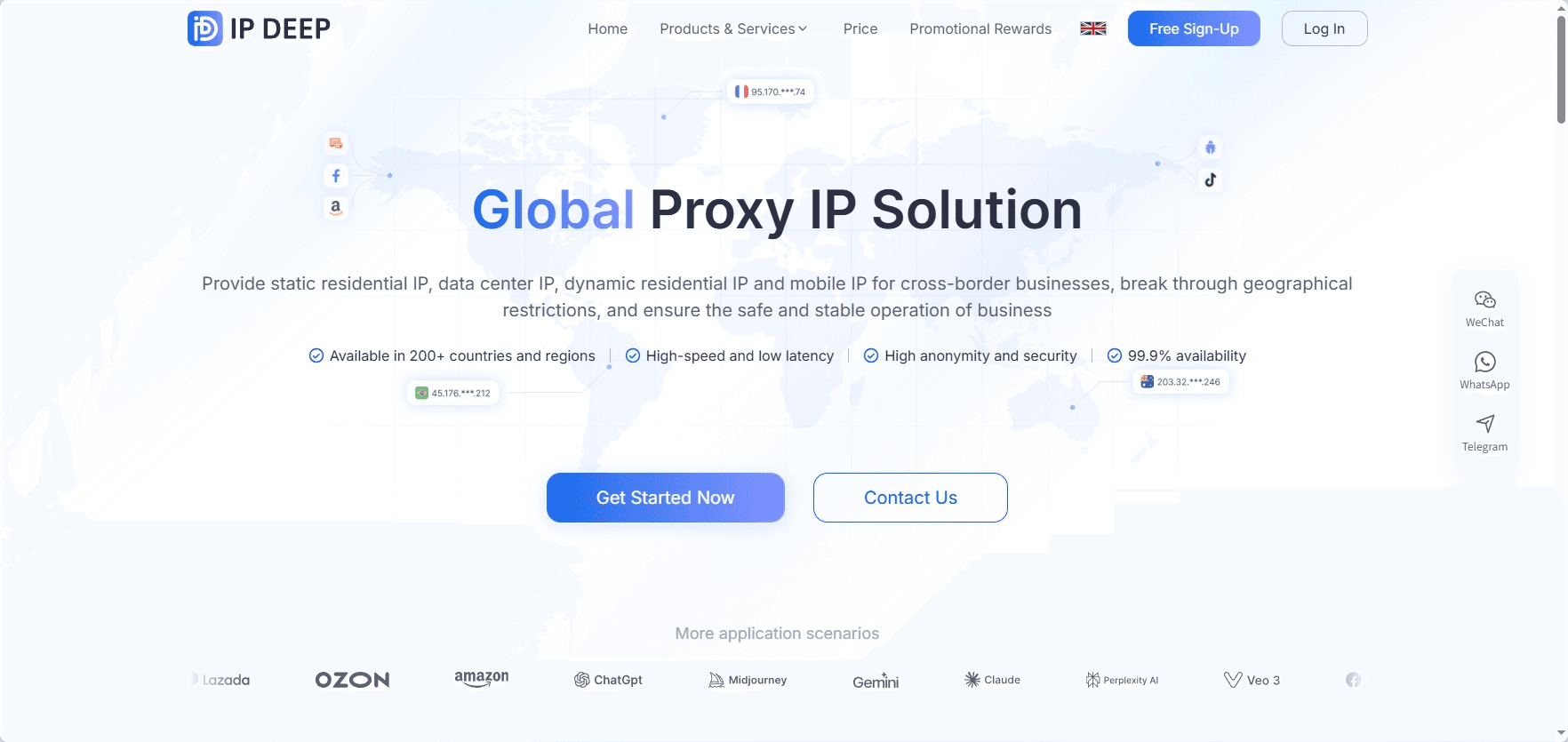
Overview: IPDeep offers tens of thousands of high-purity South African proxy IPs, including residential, datacenter, and mobile proxies, covering major cities.
Technical Features: Optimized for TikTok, Amazon, and other cross-border e-commerce scenarios. Provides dynamic residential and static residential IPs to simulate real South African home networks.
Suitable For: Enterprises and small to medium studios managing account matrices who value a balance between IP purity and cost-effectiveness.
2. IPRoyal
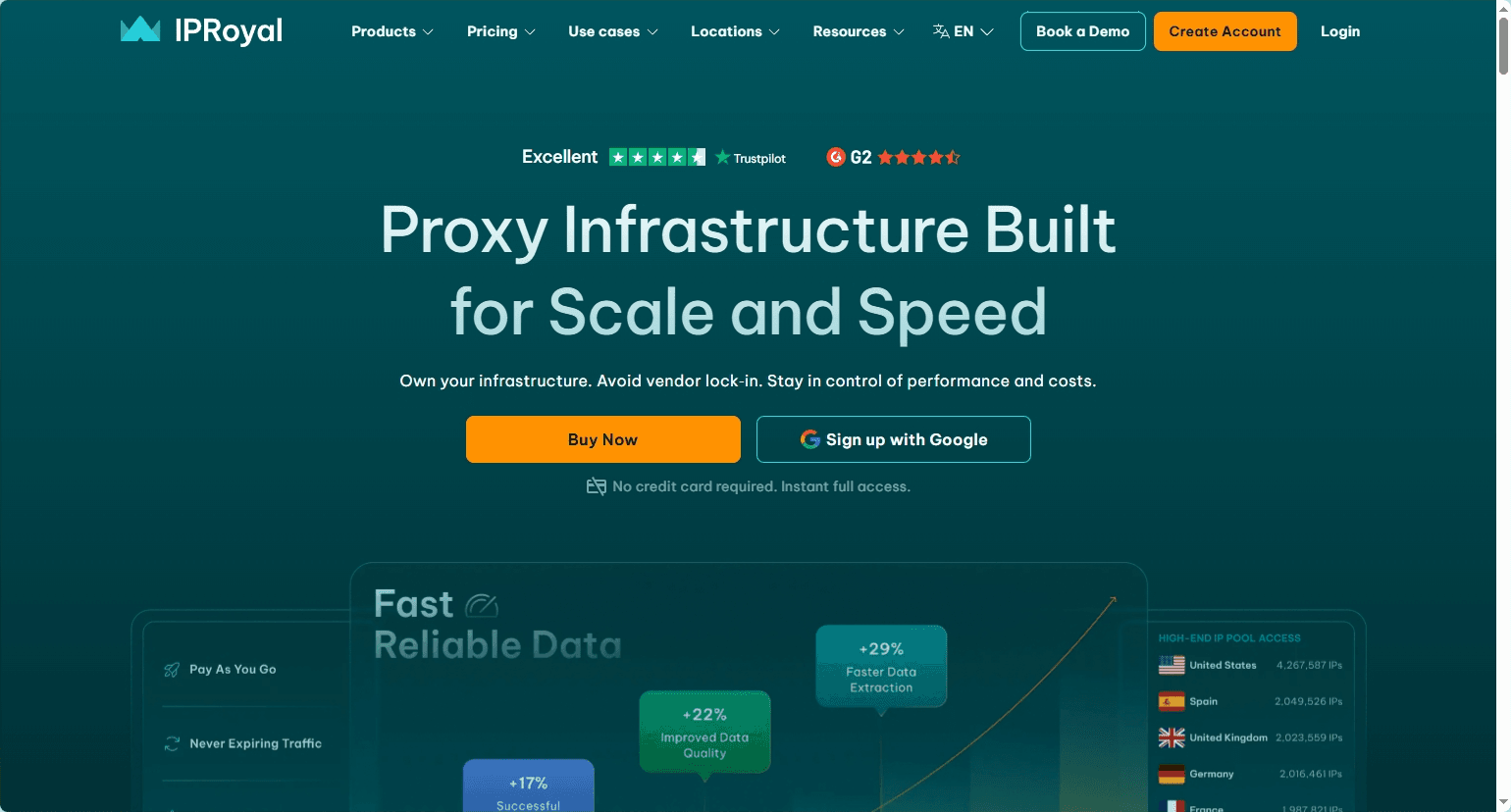
Overview: IPRoyal claims to have over 200,000 South African nodes of various types.
Technical Features: Supports SOCKS5 protocol and provides good connection stability.
Suitable For: Ideal for budget-conscious startups or individual developers with intermittent usage.
3. Webshare
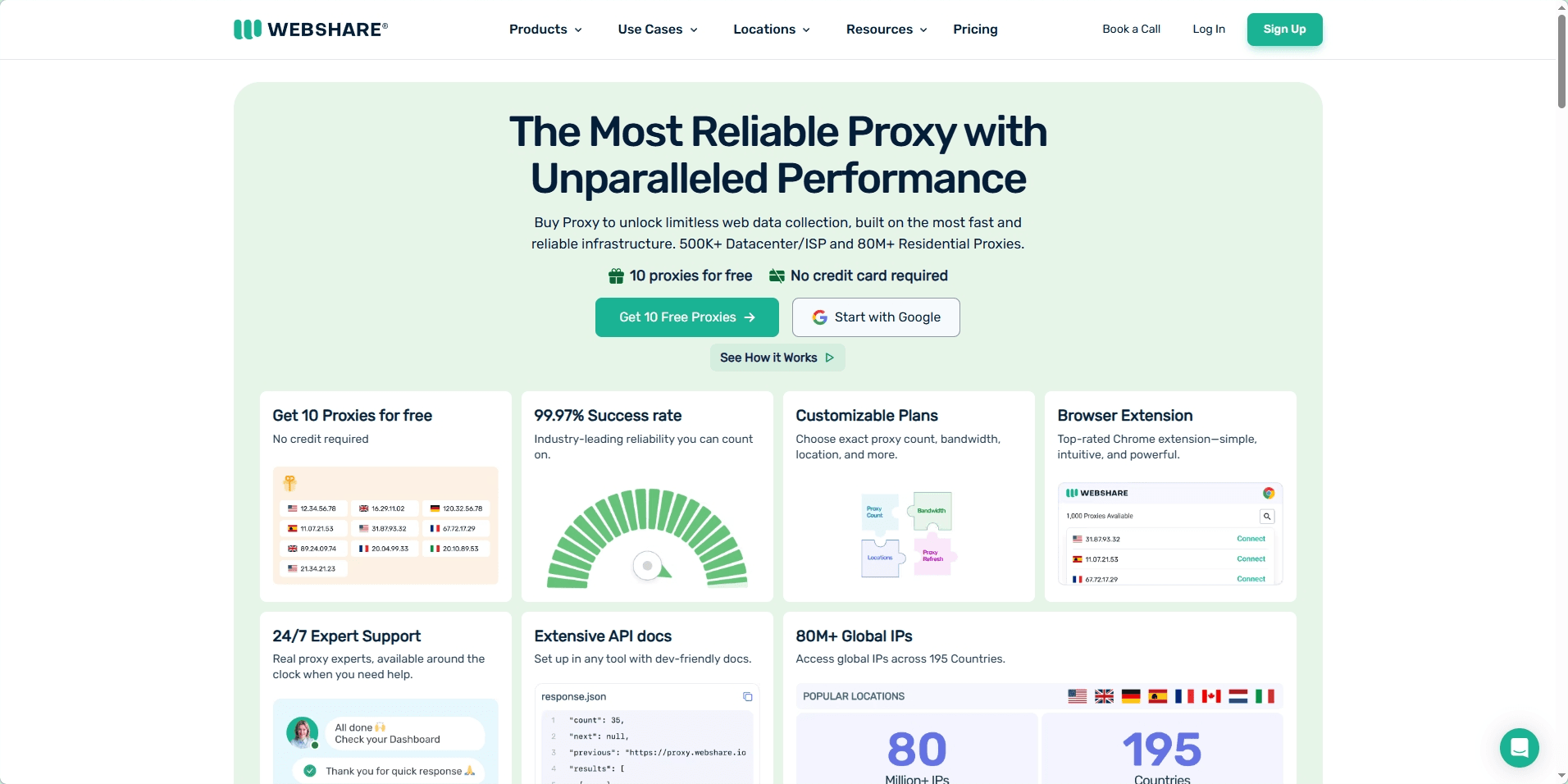
Overview: Webshare claims to have over 500,000 proxy resources in South Africa.
Technical Features: Known for high cost-effectiveness and supports highly customizable proxy list generation. Although the South African residential pool is relatively small, its datacenter proxies provide stable speed.
Suitable For: Those with tight cost control requirements and relatively low-risk data collection tasks.
4. Oxylabs
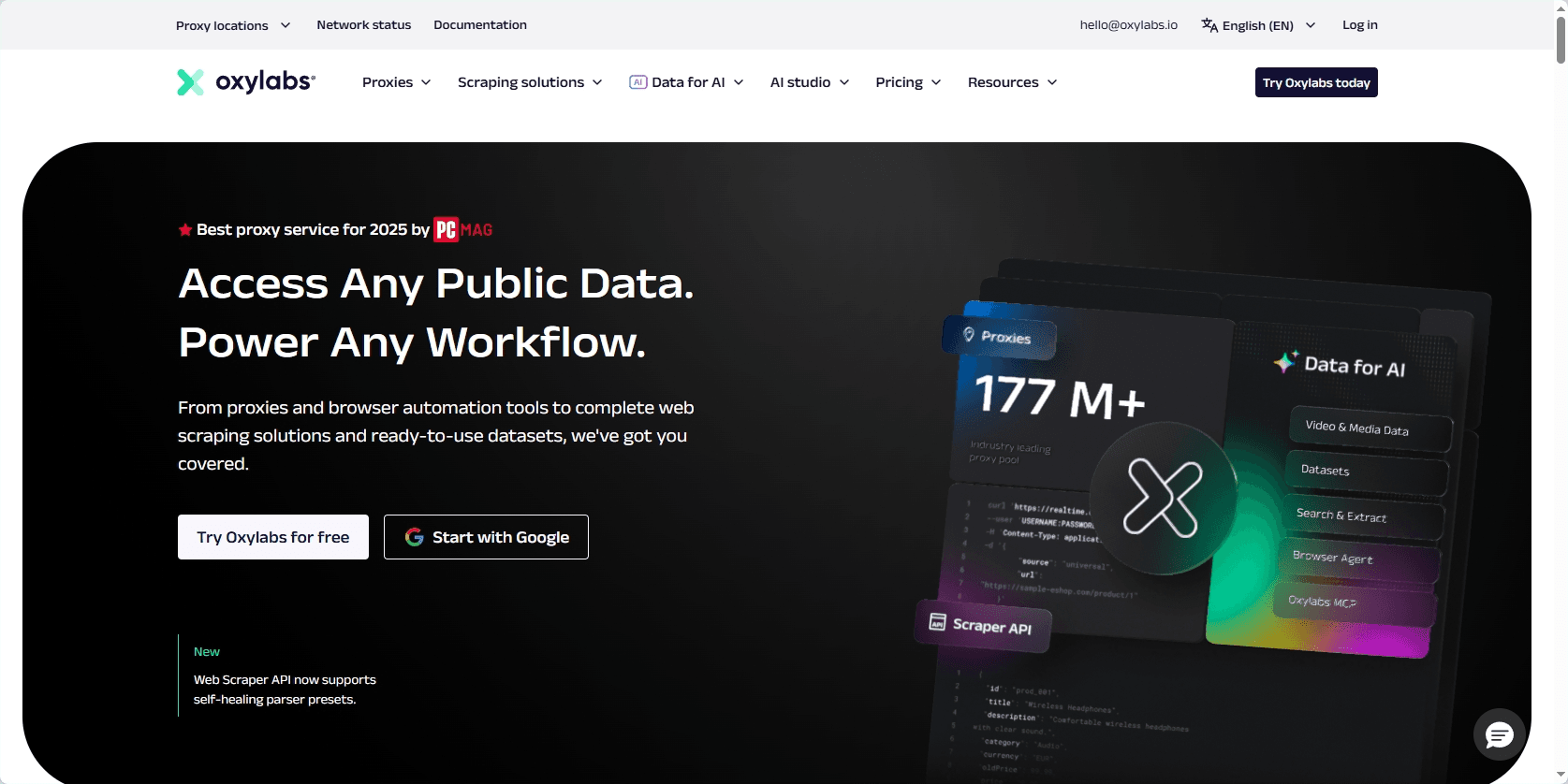
Overview: Oxylabs has an extremely large South African IP pool, nearly 1.5 million addresses.
Technical Features: Industry-leading stability with support for unlimited concurrent requests. The proxy nodes have high uptime, and the platform provides a professional enterprise-level dashboard.
Suitable For: Professional institutions requiring strict network stability, such as financial analysis or ad verification.
5. Bright Data
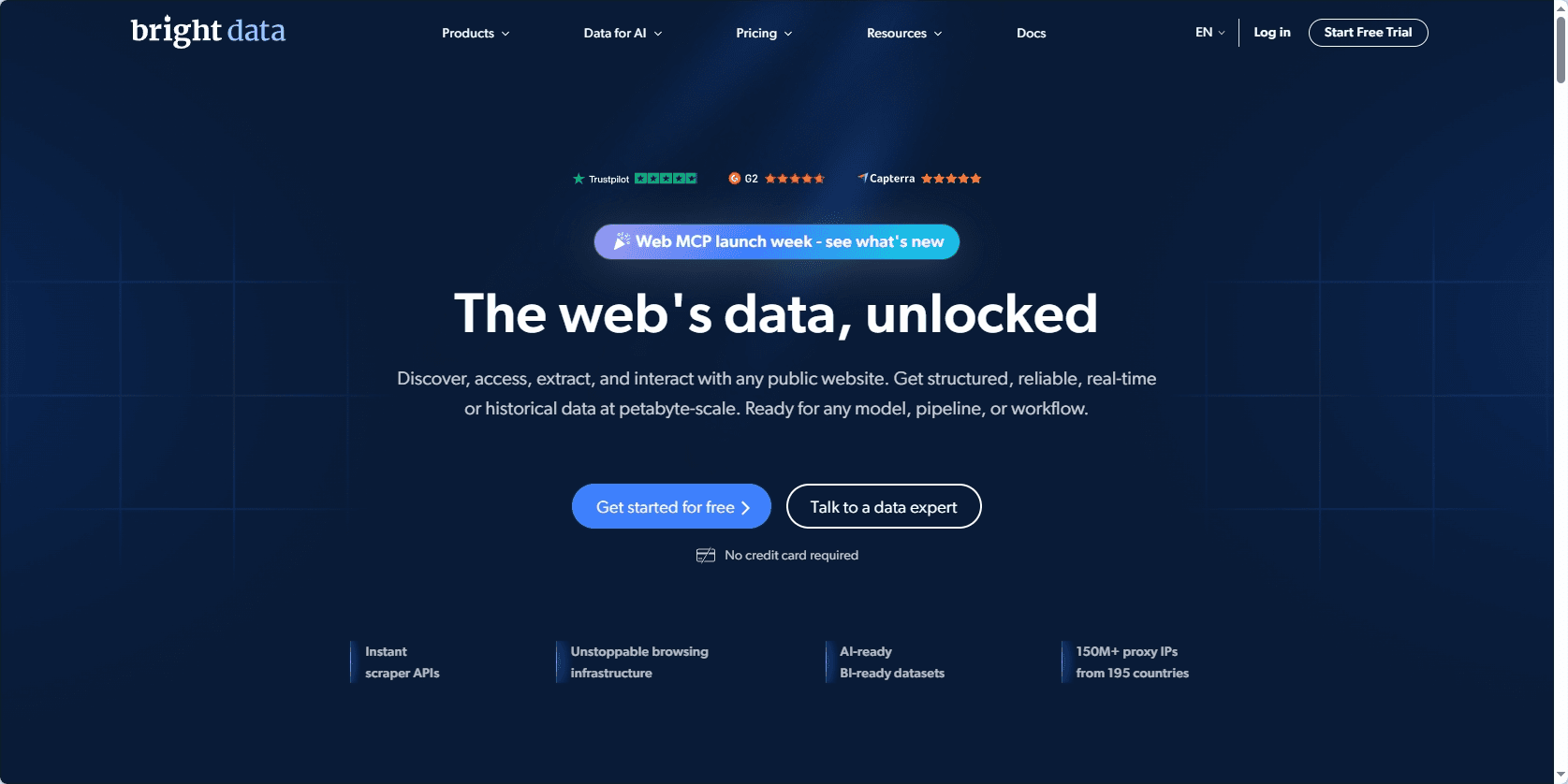
Overview: One of the world’s largest proxy providers, with over 500,000 active nodes in South Africa.
Technical Features: Supports highly precise city-level and even ISP-level targeting. Offers robust API support and data collection tools.
Suitable For: Enterprise-level users requiring large-scale, high-frequency data collection in the South African market.
Performance Comparison Table (Including Pricing)
How to Configure South African Proxy IPs for Your Business
1. Retrieve Credentials: Obtain the server address, port, username, and password for South African nodes from your provider’s dashboard.
2. Set Up Your Environment: Create a new environment in your fingerprint browser and input the proxy information. Use the “Check Proxy” function to confirm the IP’s latitude and longitude are within South Africa.
3. Synchronize Parameters: Ensure WebRTC in your browser fingerprint is set to “Replace,” and the Geolocation is automatically aligned with the IP.
4. Final Verification: Use an IP lookup tool to confirm the ISP is a local South African provider (e.g., Telkom SA).
Frequently Asked Questions (FAQ)
1. What is the typical latency for South African proxies?
Due to geographic distance, latency for users in Asia or North America accessing South African nodes usually ranges from 200ms to 400ms.
2. Are dynamic residential IPs suitable for account farming?
South African dynamic residential IPs are suitable for large-scale account registrations and engagement. For long-term login stability, static residential IPs (ISP proxies) are recommended.
3. Which is better for South African operations: dynamic or static residential IPs?
For TikTok account maintenance and e-commerce operations, static residential IPs are preferable to maintain a consistent login location. Dynamic residential IPs are more cost-effective for large-scale scraping or interaction tasks.
4. Why is latency higher for South African proxies compared to US proxies?
Physical distance and undersea cable distribution result in typical latency of 200–400ms for Asian users accessing South African nodes.
Final Thoughts
Compared with other providers’ complex pricing models, IPDeep offers a more straightforward and cost-effective billing system.
If you are looking for a solution that provides precise city-level targeting in South Africa while balancing operational security and cost, IPDeep is an ideal partner to tap into the South African market.
When using proxy technology, always comply with the laws and regulations of both your country and the target market. Do not use proxy IPs for fraudulent transactions, unauthorized access, or privacy violations.