





NetNut Alternatives: 5 Residential Proxy Providers in 2026



Clean IP picks: Static IPs from $1.5 each, Dynamic IPs from $0.5/GB


Residential proxies are widely used for data collection, cross-border e-commerce, ad verification, and social media management.
Providers vary in terms of proxy pool size, IP coverage, pricing, stability, and IP sourcing.
On July 2, 2026, Google, the FBI, and Lumen took action against the NetNut residential proxy network.
Google said the network involved at least 2 million residential devices, some of which joined the proxy network through apps containing related SDKs. The action significantly reduced the number of available devices on the network.
This article reviews five NetNut alternatives and compares their key features and pricing.

What to Look for in a NetNut Alternative
Before comparing specific providers, consider these five key factors:
▸ IP sourcing and user consent: Does the provider disclose how its IPs are sourced? Are they obtained through informed user opt-in?
▸ IP pool size and coverage: Does the IP pool cover the countries and regions you need? Is city-level targeting available?
▸ Stability and performance: Consider connection success rates, latency, and concurrency support, as these can directly affect data collection efficiency.
▸ Pricing and billing: Is pricing based on traffic or IPs? Does the traffic expire? Does the pricing fit your budget and usage?
▸ Local support and ease of use: For teams in China, local payment options such as Alipay and WeChat Pay, along with Chinese-language support and documentation, can make the service easier to use.
With these factors in mind, let's take a look at five residential proxy providers worth considering in 2026.
5 NetNut Alternatives to Consider in 2026
1. IPDeep
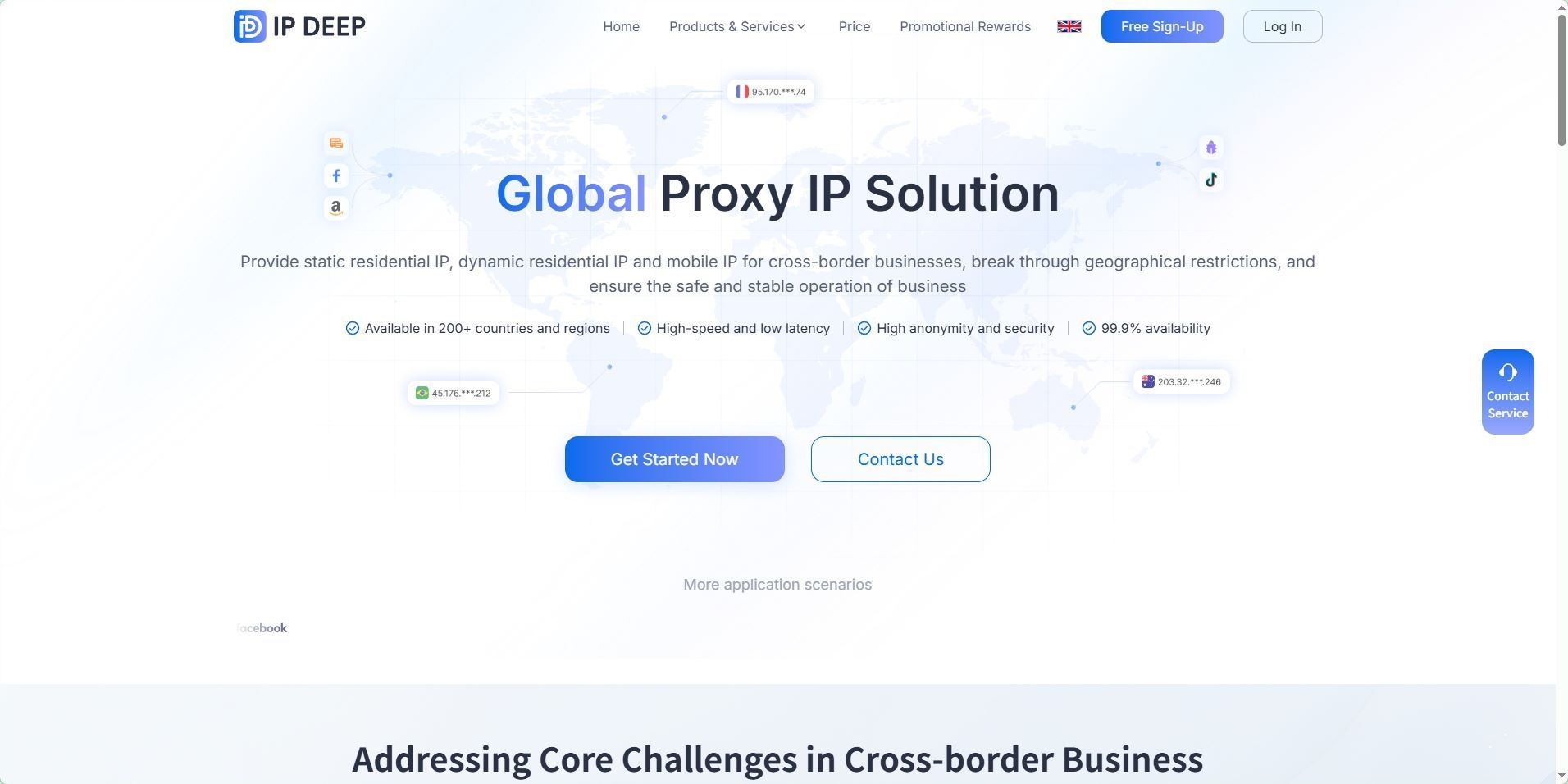
IPDeep is a proxy IP platform for international businesses, offering residential and mobile proxies along with local payment options and Chinese-language support.
IP pool and coverage: More than 30 million residential IPs across 200+ countries and regions.
Pricing and plans: Residential proxies are available with traffic- or bandwidth-based pricing, with a 5GB starter package priced at $6.50 ($1.30/GB).
Static residential proxies are priced by IP and usage period, with promotional IPs starting at $2.40/IP/month.
Key features: IPDeep provides a stable residential proxy network for data collection, cross-border e-commerce, social media management, and other use cases.
IPDeep also offers dedicated static residential IPs in selected Asia-Pacific regions. Availability and pricing are subject to the latest information on the official website.
Local support: Alipay, WeChat Pay, and account balance payments are supported, providing convenient payment options for teams in China.
The dashboard is available in Chinese, with Chinese-language customer support.
Best for: International businesses in China, multi-store e-commerce operations, social media management, and cost-conscious data collection projects.
2. Proxy-Seller
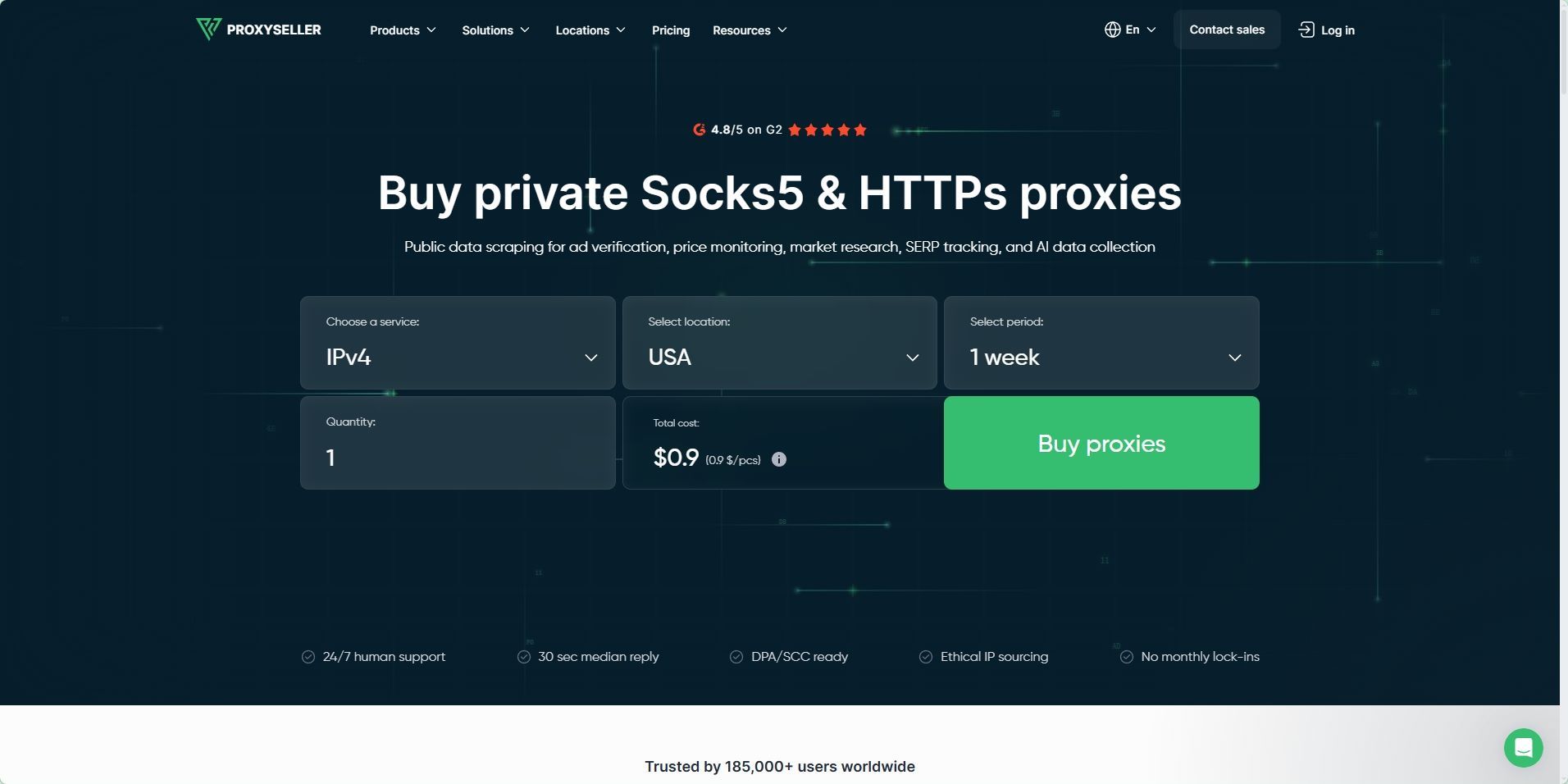
Proxy-Seller offers 47M+ residential IPs across 220+ locations, with residential proxies starting at around $1.30/GB. It supports country-, city-, and ISP-level targeting.
Best for: Small and medium-sized businesses and data collection teams.
3. Bright Data
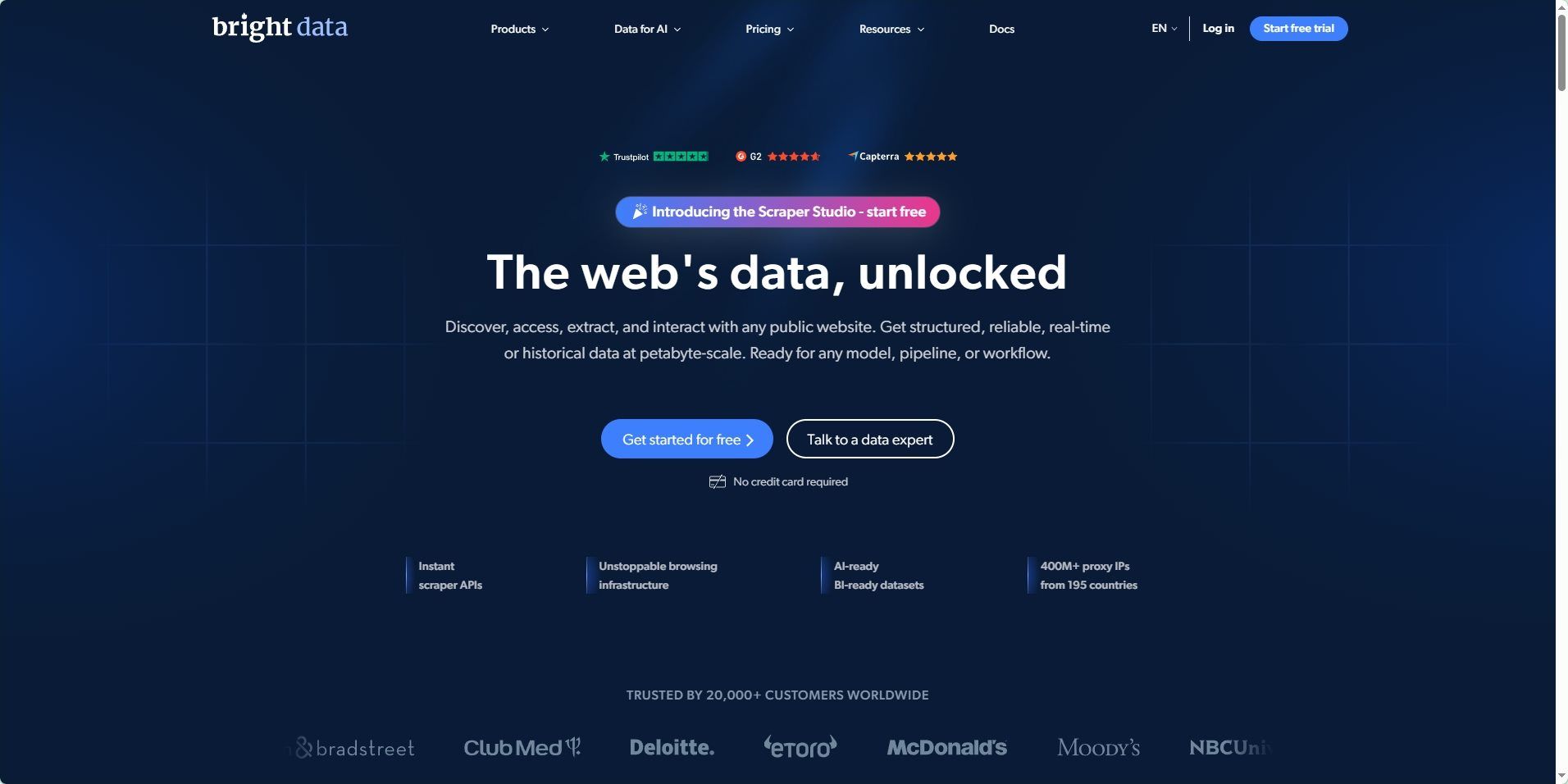
Bright Data offers 400M+ residential IPs, along with enterprise-grade proxy and data collection tools. Public residential proxy pricing starts at around $8/GB.
Best for: Large enterprises and large-scale data projects.
4. Oxylabs
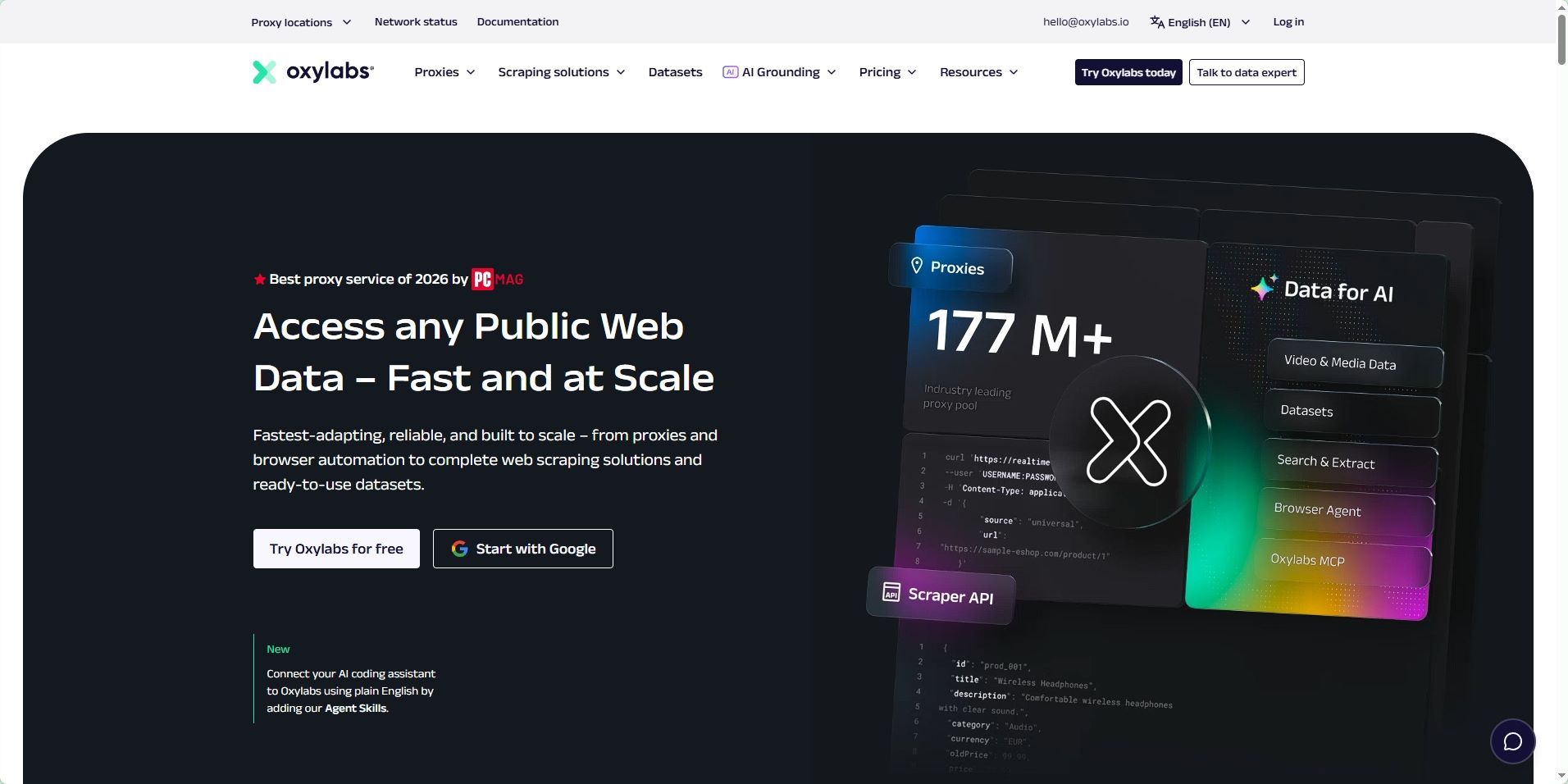
Oxylabs offers 175M+ residential IPs across 195 countries and regions, with residential proxy Starter plans starting at around $6/GB. It also provides enterprise-grade data collection tools.
Best for: High-concurrency and large-scale data collection projects.
5. IPRoyal
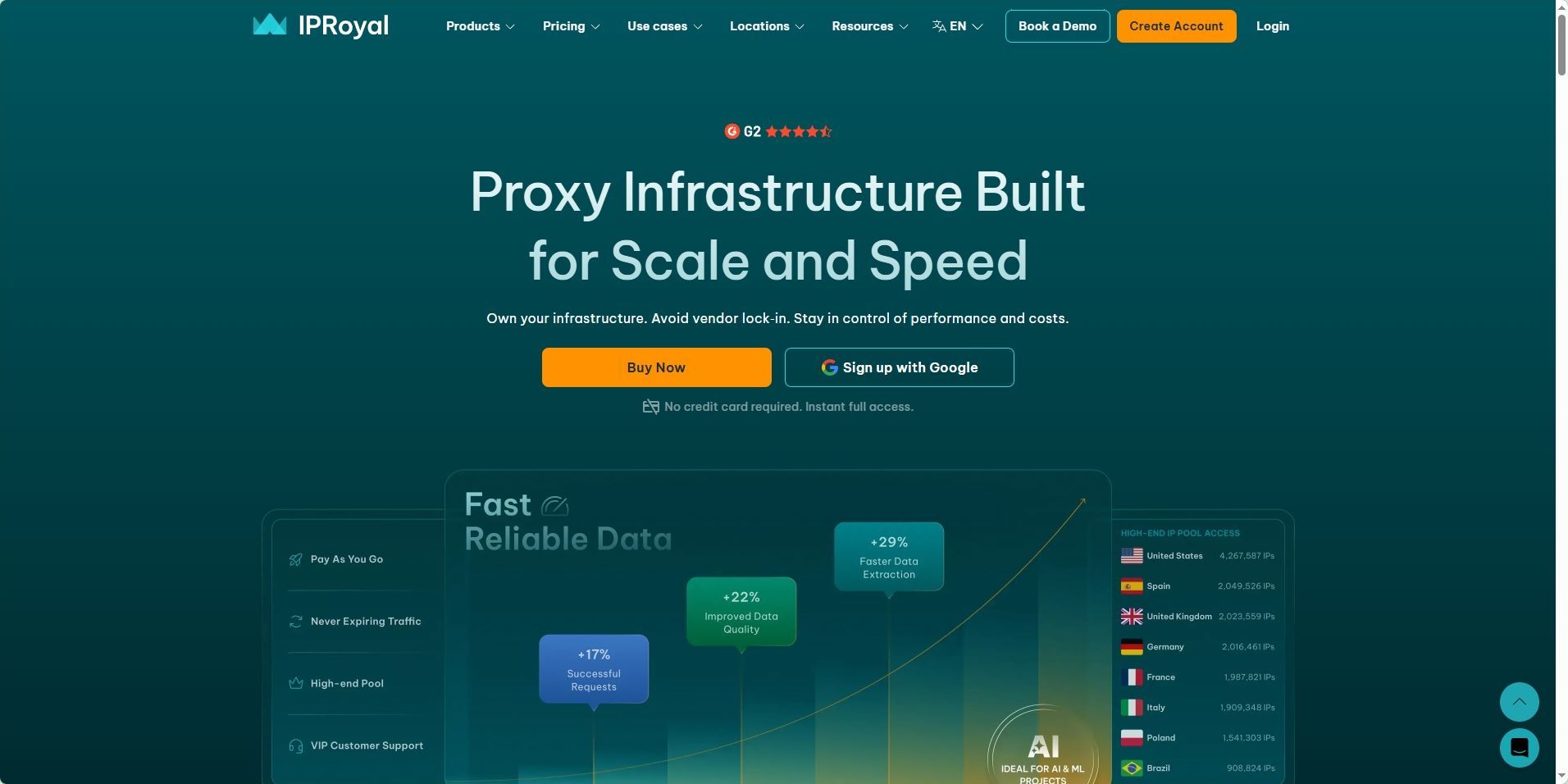
IPRoyal offers 64M+ residential IPs, with residential proxy pricing starting at around $7/GB. Larger plans offer lower rates, and traffic never expires.
Best for: Small and medium-sized teams with irregular usage and a focus on cost control.
Frequently Asked Questions (FAQ)
Q1: Why was the NetNut proxy network suddenly disrupted?
In July 2026, relevant authorities found that the NetNut proxy network involved more than 2 million residential devices, some of which joined the network through apps containing related SDKs, raising concerns about user consent and supply-chain practices.
The subsequent restrictions on related control accounts, domains, and infrastructure significantly affected the network.
Q2: What are ethically sourced residential proxies, and why do they matter?
Ethically sourced residential proxies emphasize transparent IP sourcing and mechanisms such as user consent.
When choosing a provider, review its IP sourcing practices, user consent mechanisms, and privacy policies, and assess compliance based on your specific business needs.
Q3: What should Chinese cross-border sellers consider when choosing a proxy provider?
Teams in China should consider payment methods, Chinese-language support, and the pricing and availability of IPs in Asia-Pacific regions.
Local payment options such as Alipay and WeChat Pay can make the service easier to use.
Q4: How should I choose between dynamic and static residential IPs?
Dynamic residential IPs are suitable for data collection and ad verification where frequent IP rotation is needed.
Static residential IPs are better suited to e-commerce stores, social media accounts, and other use cases that require a consistent network identity.
Q5: How should I test a new proxy provider?
Start with low traffic and low concurrency to test connection success rates, response times, target-site accessibility, and long-term stability.
Once the results meet your requirements, gradually scale up usage.
💡 If you're looking for a NetNut alternative, visit the IPDeep website to learn more about its residential proxy plans and available testing credits.