




Which is Faster in Japan: IPv4 or IPv6?



Clean IP picks: Static IPs from $1.5 each, Dynamic IPs from $0.5/GB


With the continuous development of the Internet, IPv6 is gradually replacing the traditional IPv4 as the mainstream network protocol. In Japan, many businesses and individual users are concerned about one question: which is faster, IPv4 or IPv6? Let's explore this with IPDEEP!
1.Basic Differences Between IPv4 and IPv6
• IPv4: The traditional Internet protocol, using 32-bit addresses, has a limited address space, which may cause network congestion during peak hours.
• IPv6: The next-generation Internet protocol, using 128-bit addresses, offers abundant address resources and better supports mobile devices, IoT, and high-concurrency access.
Strictly speaking, IPv6 was designed to solve the shortage of IPv4 addresses and network congestion, but it does not necessarily outperform IPv4 in speed in every scenario.
2. Japan's Network Environment
In Japan, major ISPs widely support IPv6, including NTT, KDDI, SoftBank, etc. However, actual speed may be affected by the following factors:
1. Peak Congestion: IPv4 address resources are limited and may bottleneck during peak hours, while IPv6 networks tend to be less congested and more stable.
2. ISP Network Optimization: IPv6 networks usually benefit from newer architecture, with fewer hops to domestic servers, theoretically reducing latency.
3. Target Site Support: If the websites or services fully support IPv6, connection speeds can be noticeably faster than IPv4.
Overall, for local users in Japan accessing domestic websites that support IPv6, IPv6 is generally faster and more stable. However, if the website only supports IPv4, IPv4 remains the best choice.
3. IPv4 vs IPv6 Selection Strategy
• Local Access: If your main activity is visiting Japanese local websites or apps, IPv6 has a clear advantage, especially for video streaming, gaming, and similar applications.
• Cross-Border Access: If you frequently access overseas websites, it is recommended to have both IPv4 and IPv6 proxies, switching flexibly to achieve optimal speed.
4. IPDEEP Proxies for High-Speed Connection
As seen above, high-quality proxies are crucial. IPDEEP, one of the most popular global proxy providers in 2026, supports Japanese IPv4 and IPv6 addresses, offering:
• High anonymity and security to reduce block risks
• Multiple types of IPs, including static, dynamic, mobile, and data center IPs
• Stable, low-latency connections to ensure fast access
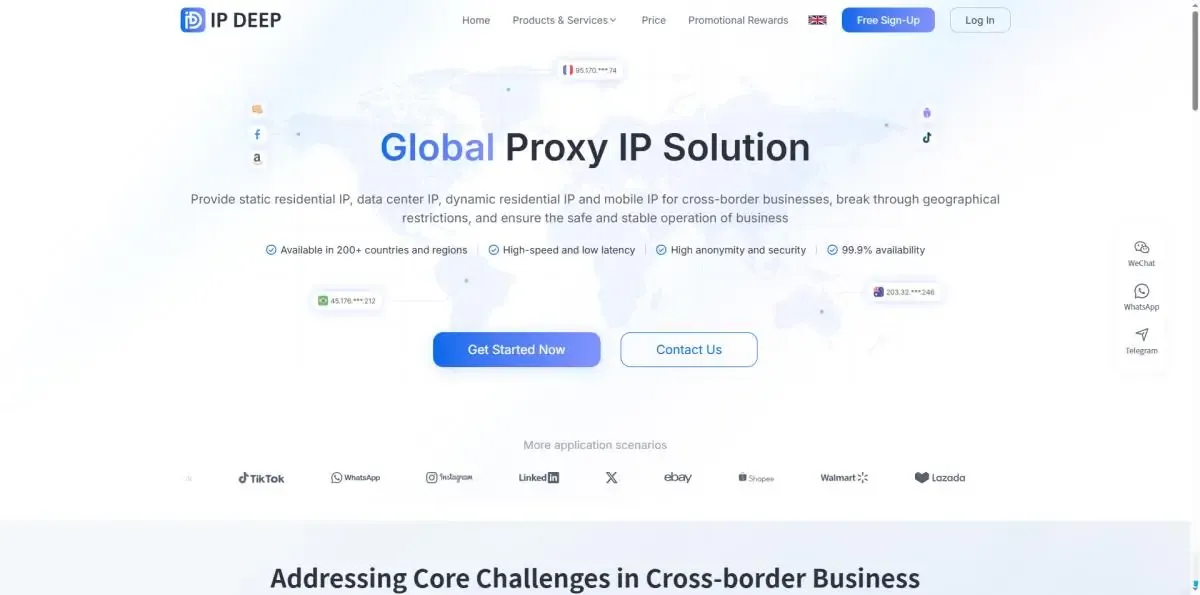
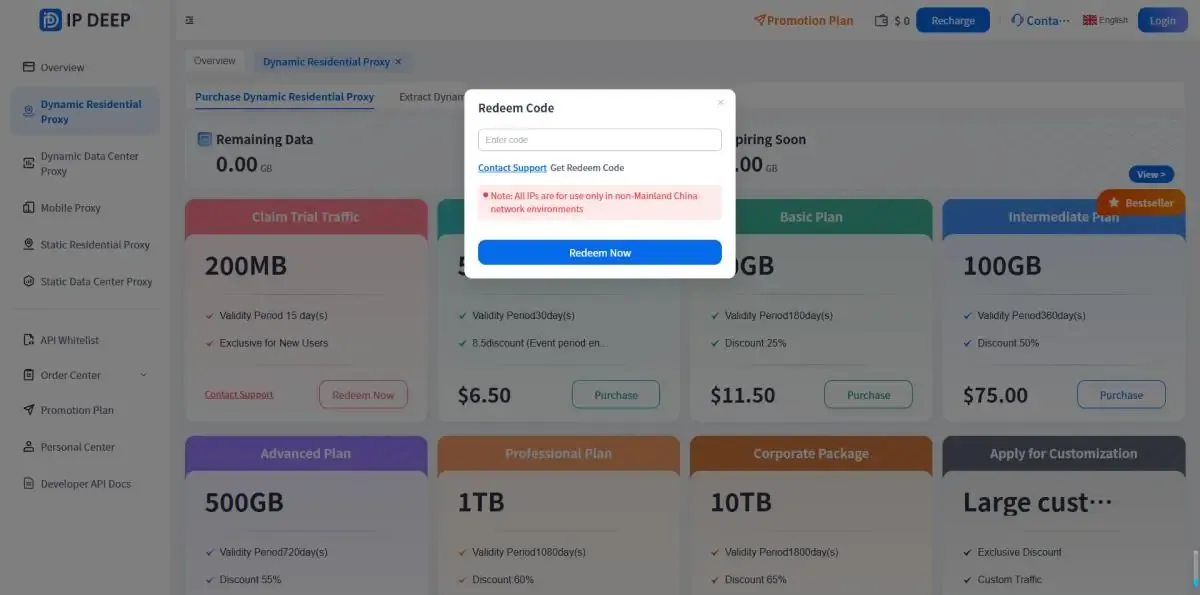
Whether for local access or cross-border business, IPDEEP helps you choose the most suitable network protocol. New users can get 200MB of free traffic upon registration, try it now!
5. Conclusion
In Japan, IPv6 networks are generally faster and more stable for modern applications and during peak usage compared to IPv4. However, final speed depends on the target site and specific business needs. By using IPDEEP proxy IPs wisely, you can enjoy the benefits of both IPv4 and IPv6 for the fastest and most secure network experience.
FAQ
Is IPv6 really faster than IPv4 in Japan?
In most cases, accessing local websites that support IPv6 will be faster and more stable than IPv4, especially during network congestion at peak times. However, if the target site only supports IPv4, speed will rely on IPv4.
Does IPDEEP support Japanese IPv4 and IPv6 proxies?
Yes, IPDEEP provides high-anonymity, low-latency Japanese IPv4 and IPv6 proxies, supporting static, dynamic, mobile, and data center IPs to meet different network needs.
For accessing overseas websites from Japan, should I use IPv4 or IPv6?
For cross-border access, it is recommended to use both IPv4 and IPv6 proxies, switching flexibly to achieve the best speed and stability.