




Residential Proxy Guide: Master Global Price Adjustments



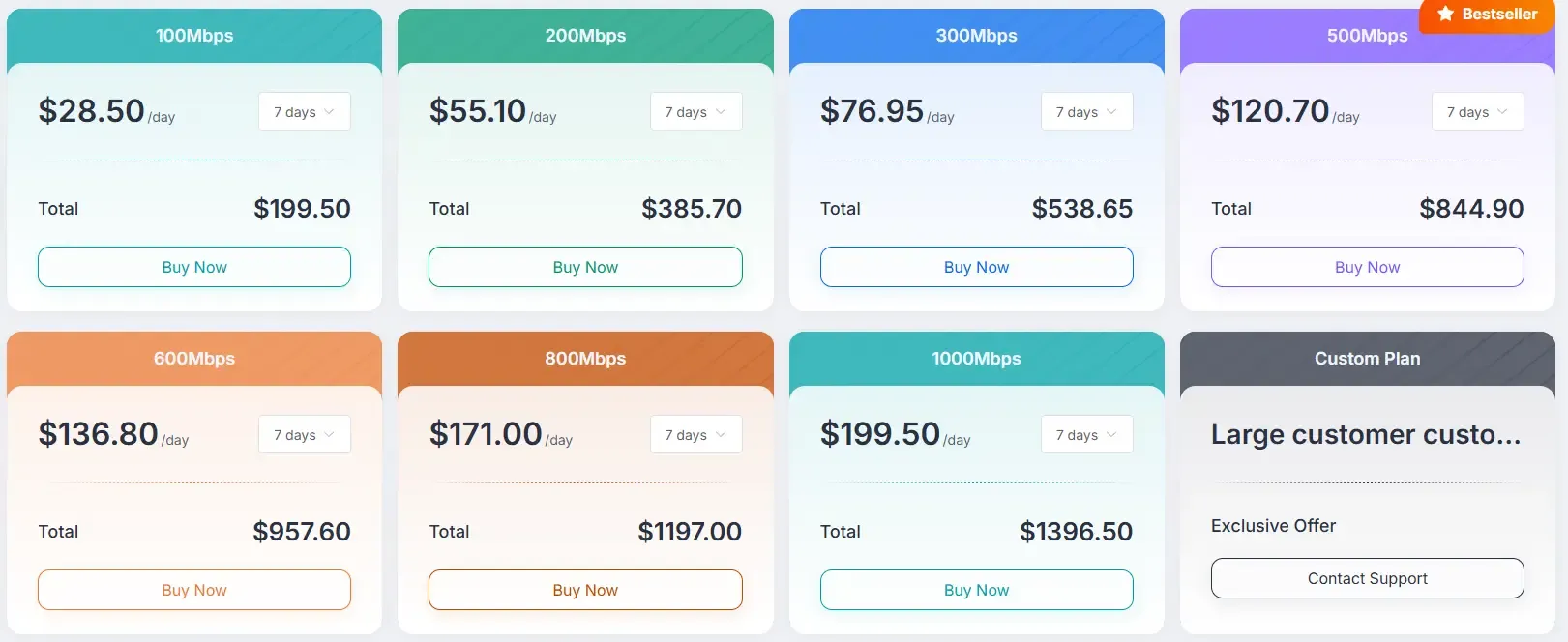
Clean IP picks: Static IPs from $1.5 each, Dynamic IPs from $0.5/GB


In the high-stakes game of cross-border e-commerce, the ability to keenly perceive competitors' pricing is paramount for independent station sellers aiming to maintain profit margins in a saturated market.
Global pricing strategy is far more than a simple numbers game; it involves navigating complex geographical verification and anti-scraping mechanisms.
This article will explain how to leverage Residential Proxy technology to help sellers break through data barriers and achieve precise global competitor monitoring and price adjustment.

Why Use Residential Proxies for Global Price Adjustments?
When attempting to scrape competitor prices, independent sellers often encounter regional blocking or risk control interception from target websites.
Breaking Through Geofencing
Most large e-commerce platforms display differential pricing, shipping costs, and promotional activities based on the visitor's IP address.
If a seller relies solely on a local network or conventional data center proxies, they often receive quotes tailored for the Chinese region rather than the authentic perspective of consumers in target markets like the US, UK, or Germany.
Since residential proxies originate from genuine home broadband devices, they provide traffic with extremely high credibility. This allows systems to identify the visitor as a true local resident, thereby capturing the most accurate competitor baseline prices.
Bypassing Anti-Scraping Detection
The IP segments of data center proxies typically exhibit obvious server-room characteristics, making them easy targets for anti-scraping mechanisms to block entirely.
Residential proxies are distributed and decentralized. When performing high-frequency price-scraping tasks, they effectively evade CAPTCHAs and banning risks, ensuring that the data chain for price adjustment systems remains unbroken.
The Roadmap to Implementing Global Price Adjustments
To build an efficient price adjustment system, sellers must deeply integrate residential proxies with automation tools.
1. Precise Market Price Point Positioning
Sellers need to deploy specific residential IP nodes for different countries and regions.
By simulating residential networks in specific cities, the system can monitor dynamic pricing across different states or provinces in real-time. This step is crucial to ensure that the raw data gathered holds significant reference value.
2. Automated Data Collection and Cleaning
After connecting to residential proxies, use crawlers or third-party monitoring tools for periodic inspections of competitor pages.
It is vital to focus not only on the listed price but also to incorporate local taxes, discount codes, and shipping policies into the calculation model. The resulting "landed price" serves as the core reference for independent station price adjustments.
3. Execution of Strategic Price Adjustment Logic
This involves two main approaches: first, automatic following based on cost baselines, and second, defensive pricing for specific time periods.
When residential proxies return data showing a competitor has lowered their price, the system evaluates profit margins based on preset logic and automatically updates prices in the independent station's backend.
This process not only increases response speed but also avoids the latency associated with manual operations.
Practical Insights: Pricing Strategies for Different National Markets
Global pricing environments vary significantly. When using residential proxies to enter specific national perspectives, sellers must pay attention to distinct details.
US Market: Shipping Variance Down to the "State" Level
The pricing system in the United States is exceptionally complex. Due to differing state sales taxes and logistics costs, the displayed price for the same item often varies between California and Texas.
When using residential proxies, sellers should aim to locate nodes in densely populated cities or logistics hubs (such as Los Angeles or New York) to obtain the most representative competitor price points.
European Market: The Compliance Gambit of VAT
In European countries like the UK or Germany, displayed prices usually already include Value Added Tax (VAT, →Official EU VAT Guide).
When accessing with local residential IPs, sellers must distinguish whether a competitor is engaged in a price war or if the change is simply an adjustment due to tax policy shifts.
Particularly in the German market, consumers are extremely price-sensitive; even a 0.5 Euro difference can impact conversion rates.
Southeast Asian Market: Dynamic Monitoring During Mega-Sales
In emerging markets like Indonesia or Thailand, events on platforms like Shopee or Lazada are frequent.
Residential proxies help sellers capture flash sale prices in real-time during "11.11" or "12.12," allowing independent stations to synchronize their price adjustment logic and avoid losing traffic due to slow response times.
Professional Recommendations for Optimizing Price Systems
To improve efficiency and reduce operational costs during practical implementation, sellers should keep the following details in mind.
Combining Dynamic and Static IPs
Static residential IPs provide a more stable connection environment for long-term monitoring of competitor stores.
Conversely, for large-scale, high-frequency price scraping tasks, rotating dynamic IPs are the best choice to prevent being blocked.
Reasonable Control of Concurrency
Even though residential proxies are highly stealthy, it is not advisable to launch massive concurrent requests against a single target site in a short period.
Sellers should simulate human browsing habits by distributing scraping tasks across different time intervals.
Emphasis on Protocol Security
When configuring proxies, priority should be given to providers that support the SOCKS5 protocol. This ensures transmission efficiency while providing deeper encryption protection for the data scraping process.
Conclusion
In today's increasingly fierce global e-commerce competition, the erosion of information asymmetry means sellers must seek breakthroughs in technical methods.
Residential proxies are not just tools for gathering competitive intelligence; they are the core support for independent stations to build dynamic pricing barriers.
Through this technology, sellers can examine the market from an authentic global perspective, ensuring that their pricing strategies are both competitive and profit-resilient.
IPDeep possesses a pool of tens of millions of pure residential IPs covering over 200 countries and regions worldwide.
Whether deep-diving into shipping variances in remote US states or tracking VAT fluctuations in European markets, IPDeep provides precise geographical positioning support.