




What are Backconnect Residential Proxies? How to Get Them?



Clean IP picks: Static IPs from $1.5 each, Dynamic IPs from $0.5/GB


In the current internet ecosystem, anti-bot technology has evolved to the stage of artificial intelligence recognition. Traditional data center IPs can hardly last three seconds in front of giants like Amazon, Google, or social media. At this point, Backconnect Residential Proxies have become the secret weapon for professionals.
This guide will comprehensively break down this core technology from its underlying principles, core advantages, application scenarios to acquisition channels.
What are Backconnect Residential Proxies?
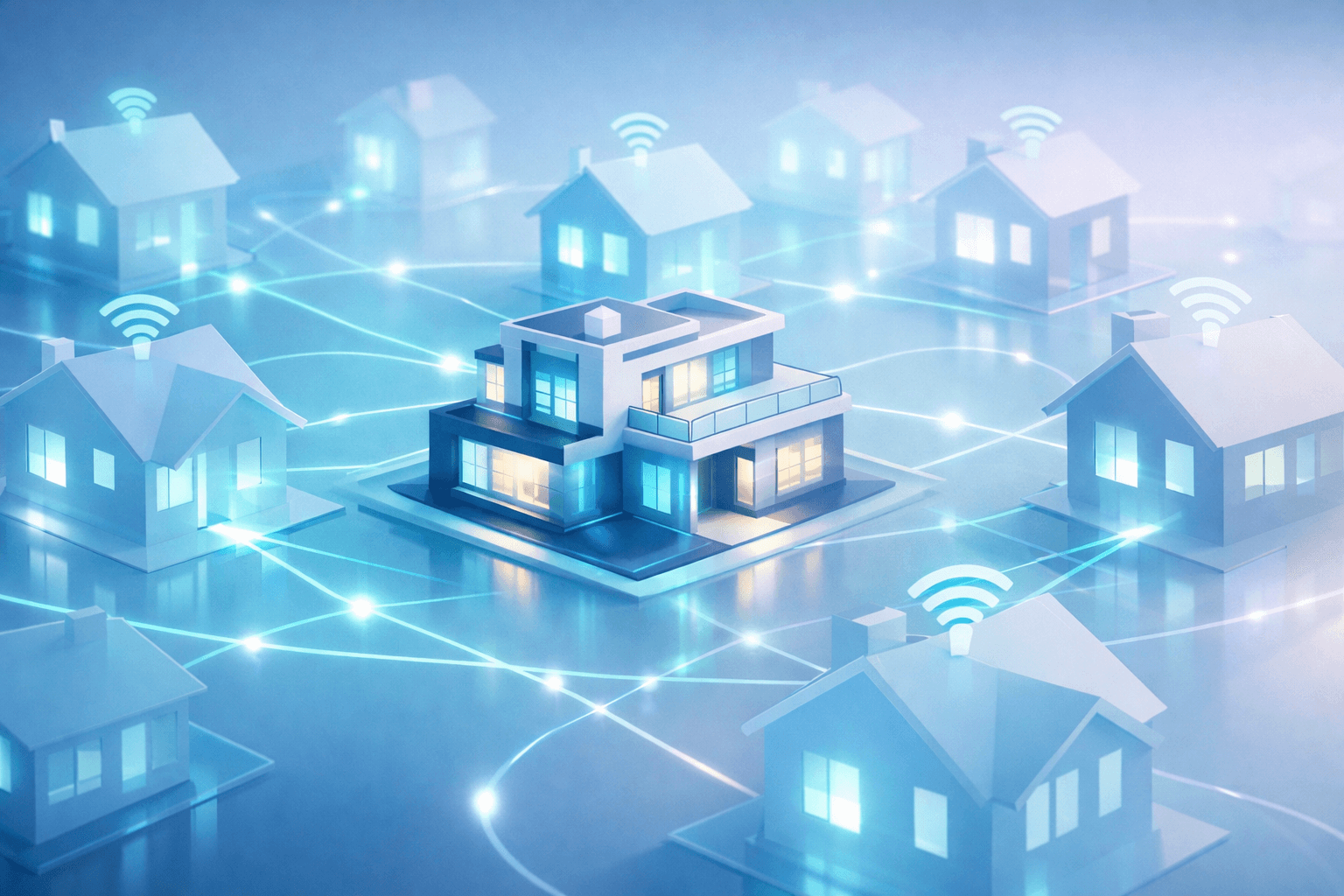
Backconnect Residential Proxies, as the name suggests, are a type of proxy service that accesses through residential IPs, generally equivalent to dynamic residential proxies/rotating residential proxies, and some providers directly refer to them as residential proxies. Their core features include:
1. Real Residential IP Sources
The IP addresses used by Backconnect Residential Proxies come from real household broadband or mobile network users, rather than data centers.
This means that each request is accessed through a genuine residential network, making the traffic appear as if it is from a regular user's real access to the target website, thereby reducing the risk of being blocked or flagged as bot behavior.
2. Dynamic Rotation/Backconnect Mechanism
"Backconnect" refers to the proxy service provider dynamically allocating residential IPs from the IP pool through an intermediary server, allowing the user's IP to automatically switch with each access or at set intervals, avoiding the blocking of a single IP.
· Rotating IP: Different IPs are used for each request, suitable for large-scale data scraping.
· Sticky IP: Keeps the same IP for a certain period, suitable for account management and long-term logins.
3. Hiding Real Network Information
Backconnect Residential Proxies can conceal the user's real IP and geographical location, enhancing anonymity and security while ensuring stable and genuine access.
Core Advantages of Backconnect Residential Proxies
Compared to data center proxies, Backconnect Residential Proxies have the following advantages:
1. Extremely High Trust Level
Residential IPs sourced from real users allocated by operators are almost never identified by target websites as proxy servers or bots.
For social media platforms (like Facebook, Instagram, TikTok) and search engines, the access behavior of Backconnect Residential Proxies is virtually indistinguishable from that of ordinary users, significantly reducing the risk of account bans or triggering verification.
2. Automatic IP Rotation Mechanism
Backconnect Residential Proxies typically offer automatic IP rotation features. Users can set their IP to automatically change with each request or every few minutes, supporting large-scale scraping or monitoring tasks.
This mechanism effectively prevents restrictions due to frequent access from a single IP, suitable for advertising verification and SEO ranking monitoring.
3. Cross-Regional Access Capability
With Backconnect Residential Proxies, businesses can easily simulate user access from different cities or countries, breaking geographical limitations for cross-border marketing and overseas e-commerce research.
For global brands, this means more precise collection of competitor information, monitoring market dynamics, and optimizing advertising placements.
4. Security and Privacy Protection
When accessing the internet through Backconnect Residential Proxies, the user's real IP is hidden, enhancing the security of online operations; advanced providers also offer HTTPS or SOCKS5 protocol support to ensure data transmission security.
Main Application Scenarios of Backconnect Residential Proxies
1. Social Media Multi-Account Management
For businesses or individual marketing teams operating multiple social media accounts, data center proxies are easily recognized and banned.
Backconnect Residential Proxies provide real residential IPs and a rotation mechanism, allowing the same device to safely manage multiple accounts, reducing the risk of bans.
2. Large-Scale Web Scraping
Many e-commerce platforms, search engines, and data service providers have strict anti-scraping policies. Using Backconnect Residential Proxies allows for efficient data acquisition from websites through dynamic IP rotation, residential-level trust, and low blocking risk.
3. Advertising Verification and Market Research
Businesses can use Backconnect Residential Proxies to simulate user access to advertisements and web pages from different regions, verifying advertising effectiveness and preventing ad fraud; supports cross-regional testing, providing reliable data for market strategies.
4. Limited-Edition Product Purchases and Ticketing
In scenarios like Sneaker Drops and limited ticket sales, the high anonymity and IP rotation capabilities of Backconnect Residential Proxies can enhance success rates.
Backconnect Residential Proxies vs Data Center Proxies
From the table above, it can be seen that Backconnect Residential Proxies are significantly superior to data center proxies in terms of security, trust level, and cross-regional access capability, making them particularly suitable for enterprise-level applications.
How to Obtain Backconnect Residential Proxies
1. Choose a Reliable Provider
There are various proxy service providers in the market, and it is crucial to choose a legitimate, reputable provider with a large-scale IP pool.
Providers should offer:
· Millions of residential IPs
· Support for residential broadband IPs
· Support for HTTP(S) and SOCKS5 protocols
2. Register an Account and Configure the Proxy
After registering an account with the provider, you can choose based on your needs:
· Dynamic rotating IP or sticky IP
· Geolocation, carrier, or city targeting
· Configure proxy parameters based on software requirements or browser settings to ensure requests are sent through Backconnect residential IPs.
3. Testing and Optimization
After obtaining Backconnect Residential Proxies, conduct access tests:
· Confirm whether the IP rotation feature is functioning properly
· Check the stability of access to the target website
· Test latency and speed to ensure they meet business needs
· Regularly change the IP pool or adjust configurations to improve data scraping or account management success rates.
4. Precautions
Choose IP types and rotation strategies based on business scenarios, for example, advertising verification is suitable for rotating IPs one at a time, while multi-account operations can opt for sticky IPs.
Do not use Backconnect Proxies on bare browsers. It is recommended to use them with fingerprint browsers, strictly binding hardware fingerprints such as WebRTC, timezone, and fonts to the proxy IP.
Although Backconnect Proxies can bypass restrictions, as a qualified developer, one should control the scraping frequency to maintain a sustainable internet ecosystem.
Conclusion
Backconnect Residential Proxies demonstrate irreplaceable advantages in cross-border e-commerce, digital marketing, data scraping, and multi-account management through real residential IPs, dynamic rotation, and high anonymity.
Compared to traditional residential proxies and data center proxies, they excel in security, access stability, and low blocking risk, providing efficient online operation solutions for enterprises and professional users.
IPDeep offers high-quality Backconnect Residential Proxy IPs, create an account now and try our high-quality proxies for free!