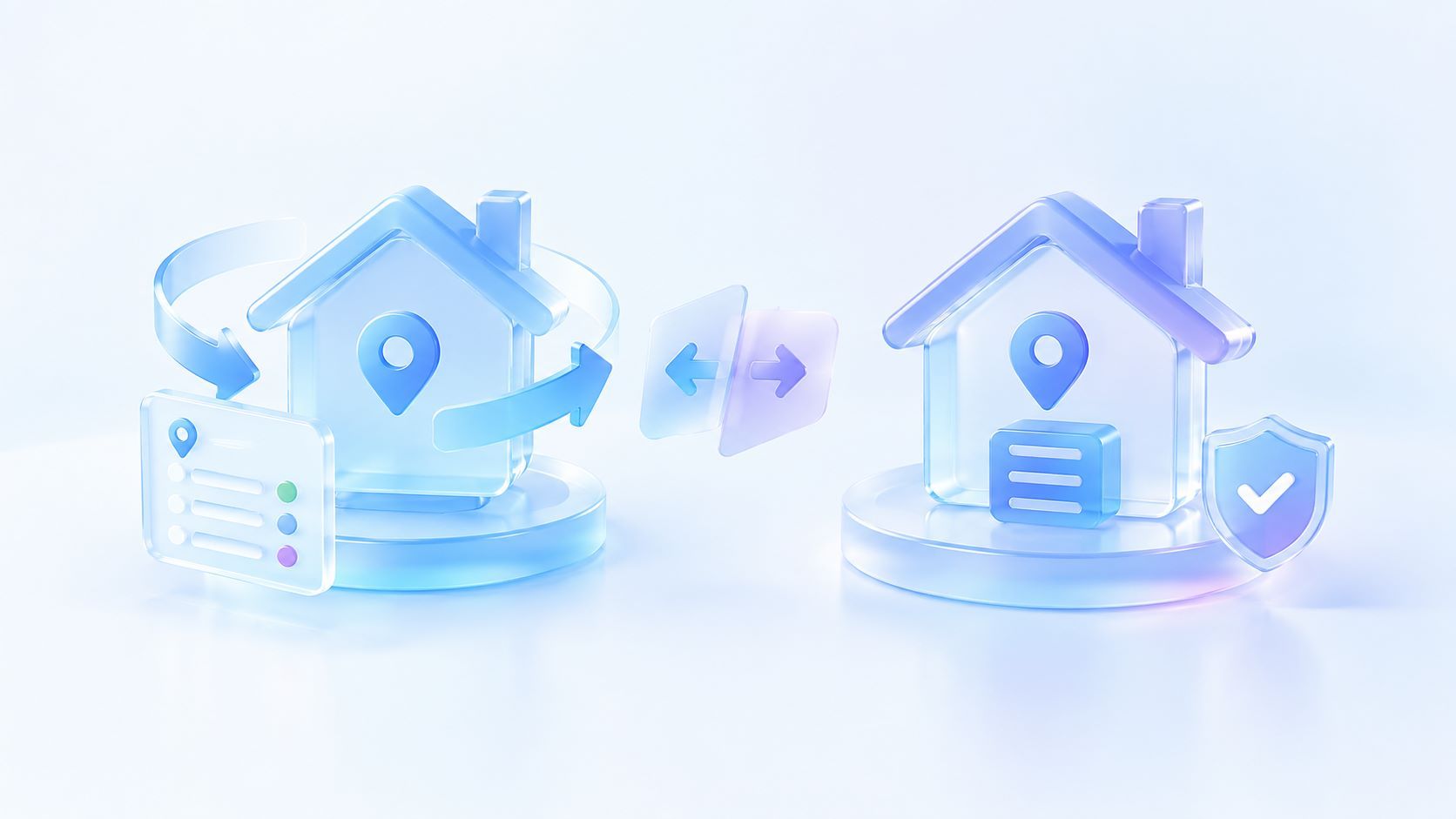





What is a Dynamic Residential IP and How Is It Used?



Clean IP picks: Static IPs from $1.5 each, Dynamic IPs from $0.5/GB


With the continuous development of the internet, privacy protection and data security have become increasingly important. Whether it's cross-border e-commerce, online marketing, or daily data collection, IP addresses play a crucial role.
Many users may be completely confused when hearing terms like "residential IP" or "dynamic residential proxy" for the first time. Today, we'll take a detailed look at what dynamic residential IP is and its advantages, hoping to be helpful to you.

I. What is a Dynamic Residential Proxy?
A dynamic residential proxy is a proxy service that provides IP addresses through real residential network nodes. Unlike regular data center proxies, residential proxy IPs originate from real home networks, while dynamic residential proxies feature the "automatic IP rotation" characteristic.
Simply put, the IP address of a dynamic residential proxy automatically changes at set time intervals, and each change comes from a different real device (such as a home router or mobile device). This means that access requests detected by websites appear to come from real users rather than machines or virtual servers, making them much harder to identify or block.
II. What are Dynamic Residential Proxies Used for?
Dynamic residential proxies have a wide range of applications, and play a particularly important role in the following scenarios:
1. Web Crawling and Data Collection
Users engaged in data analysis or price monitoring often need to access different websites frequently, but frequent access to the same website can easily lead to IP blocking. Dynamic residential proxies can automatically rotate IPs, making access behavior more similar to that of real users and avoiding being intercepted or blocked by websites.
2. Cross-border E-commerce and Account Anti-blocking
For sellers engaged in cross-border e-commerce, platform risk control is a major headache. A single seller may need to operate multiple stores simultaneously and log in to multiple accounts. Platforms typically detect device fingerprints, IP addresses, and other information.
Using dynamic residential proxies allows each account to be assigned an independent residential IP, simulating an access environment from different home networks, thereby reducing the risk of association and account suspension.
3. Bypassing Geo-restrictions
Some websites or media platforms impose geographic restrictions, limiting access from certain regions (e.g., Spotify, YouTube). With dynamic residential proxies, you can easily switch to IPs from different countries to access content that was previously restricted.
III. Dynamic Residential Proxy vs. Static Residential Proxy
| Comparison Item | Dynamic Residential Proxy | Static Residential Proxy |
|---|---|---|
| IP Rotation Frequency | Automatically changed on a regular basis | Fixed and unchanging |
| Stability | Slightly lower (IP switches regularly) | High (IP remains consistent) |
| Stealth | Strong, difficult to track | Slightly weaker |
| Applicable Scenarios | Data collection, multi-account switching, advertising delivery | Long-term login, continuous tasks |
| Cost | Generally slightly higher | Relatively lower |
In summary, if you need to frequently change environments, perform distributed collection, or prevent account suspension, dynamic residential proxies are more suitable. If you only need a stable IP to access fixed websites for a long time, then static residential proxies may be more cost-effective.
IV. Conclusion
Dynamic residential IP is a high-quality proxy service that balances privacy protection and usage flexibility. For users engaged in cross-border sales, advertising delivery, data collection, and other work, it can provide a safer and more efficient internet experience.
If you're unsure where to find high-quality dynamic residential proxies, give IPDEEP a try. Choosing IPDEEP dynamic residential IP not only allows you to enjoy advantages such as global coverage, high-quality IPs, flexible packages, and 24/7 customer support, but also helps you reduce network operation risks and improve work efficiency.