




Guide to US Residential Proxies: Choosing Proxy IPs by City



Clean IP picks: Static IPs from $1.5 each, Dynamic IPs from $0.5/GB


The United States is vast, and IPs from different cities vary significantly in network structure, latency, and business relevance.
So, what are residential US IPs used for, and how should you choose them? Let’s take a closer look!
Why US Proxy IPs Are Essential for Cross-Border Business
Algorithm Localization
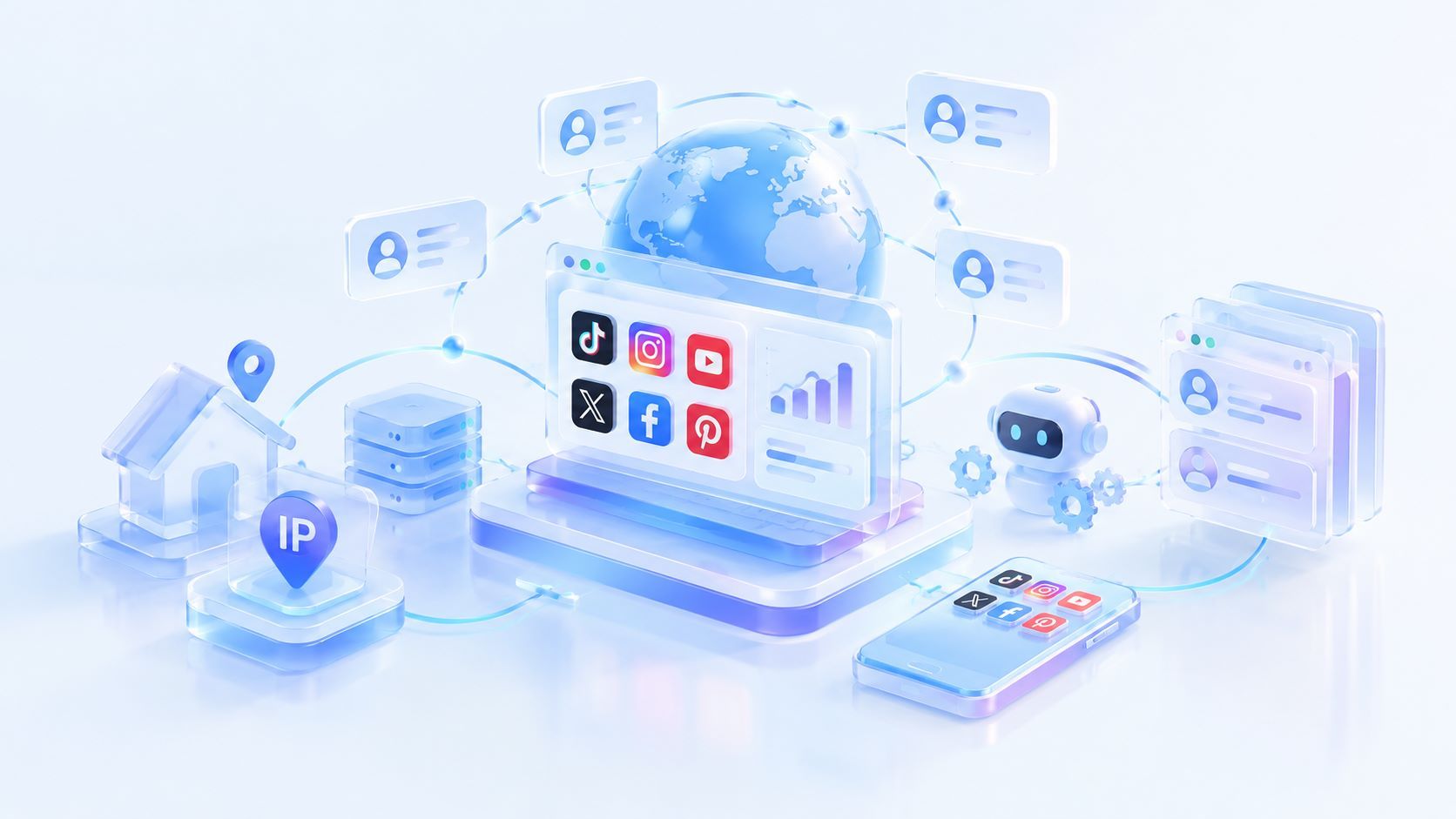
Social platforms like TikTok and Instagram favor content based on geographic location. Content is usually pushed to traffic pools near the IP’s location.
Avoiding Risk Control Measures
Many US-based financial services (like PayPal US, Stripe) and e-commerce platforms use geo-restrictions. Non-US IPs can easily trigger risk checks or get blocked.
Access Native Search Results
Only by using a genuine US IP can you see unbiased search rankings, ad placements, and local pricing on search engines or e-commerce platforms.

Uses of Major US City IPs
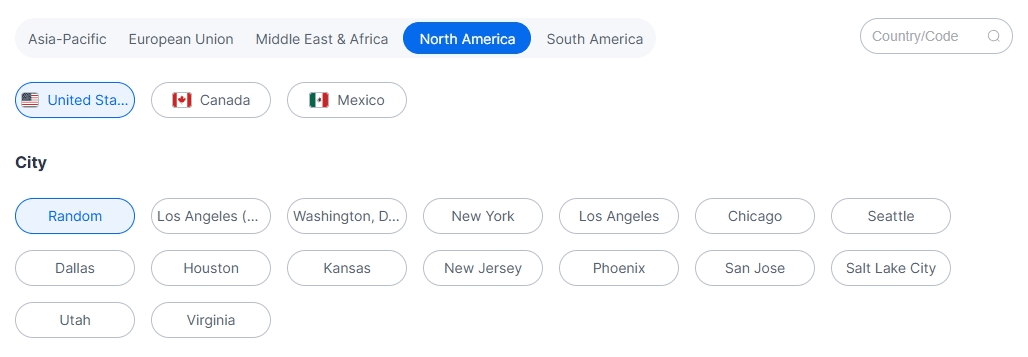
When choosing a US proxy, pick locations that match your business needs:
West Coast Nodes (Los Angeles, Seattle, San Jose):
Technical Advantage: Closest to the Asia-Pacific region, resulting in the lowest cross-border latency.
Use Case: Video streaming, short video uploads, and online apps requiring high-speed performance.
East Coast Nodes (New York, Chicago):
Technical Advantage: Global financial hubs with high-quality ISP residential networks.
Use Case: US stock trading, financial verification, and limited-edition luxury product purchases.
Virginia & Washington D.C.:
Technical Advantage: One of the densest data center regions globally (e.g., Ashburn), with abundant backbone bandwidth.
Use Case: Enterprise cloud services integration and large-scale compliant data collection.
Central & Southern Nodes (Dallas, Houston, Kansas):
Technical Advantage: Covers the US domestic consumer base evenly, ideal for simulating real US household users.
Use Case: Nationwide price monitoring and multi-account testing on US e-commerce platforms.
Three Standards to Identify High-Quality US Proxies
Native IP Verification:
Make sure the IP’s registered location matches where it is actually used. Regular broadcast IPs are easily flagged as suspicious by streaming services or risk control systems.
Fraud Score Monitoring:
Check via third-party tools; a score below 20 is ideal. Higher scores indicate previous misuse, which can put your operations at risk.
Protocol Support:
The IP must support HTTP/HTTPS and SOCKS5 to work smoothly with fingerprint browsers and automation tools.
FAQ
1. How do I choose between static and dynamic residential IPs?
For accounts that need long-term login (like TikTok or Amazon stores), choose static residential IPs. For tasks requiring frequent identity changes, opt for dynamic residential IPs.
2. Why is my browser still showing Chinese content even when using a US IP?
This usually happens because the browser’s language list still prioritizes Chinese. Set English (en-US) as the only or preferred language in your browser settings.
3. Can all US residential IPs access streaming services?
Not necessarily. Streaming platforms often block IPs. Confirm before purchase whether the IPs can reliably unlock content.
Summary & Recommendations
Choosing US residential proxy IPs shouldn’t be based solely on price—it should match your business’s risk sensitivity.
For high-value social media or e-commerce accounts, invest in high-quality static ISP residential IPs. For general market research, a widely distributed dynamic pool offers better cost efficiency.
IPDeep provides clean US proxy IPs across key cities like Los Angeles and New York, helping to minimize the risk of account blocks.
If you’re looking for a solution that offers precise US city targeting while ensuring security and cost efficiency, IPDeep is a solid choice.