




Do PayPal and Stripe need a static IP for cross-border payments, and what network requirements apply?



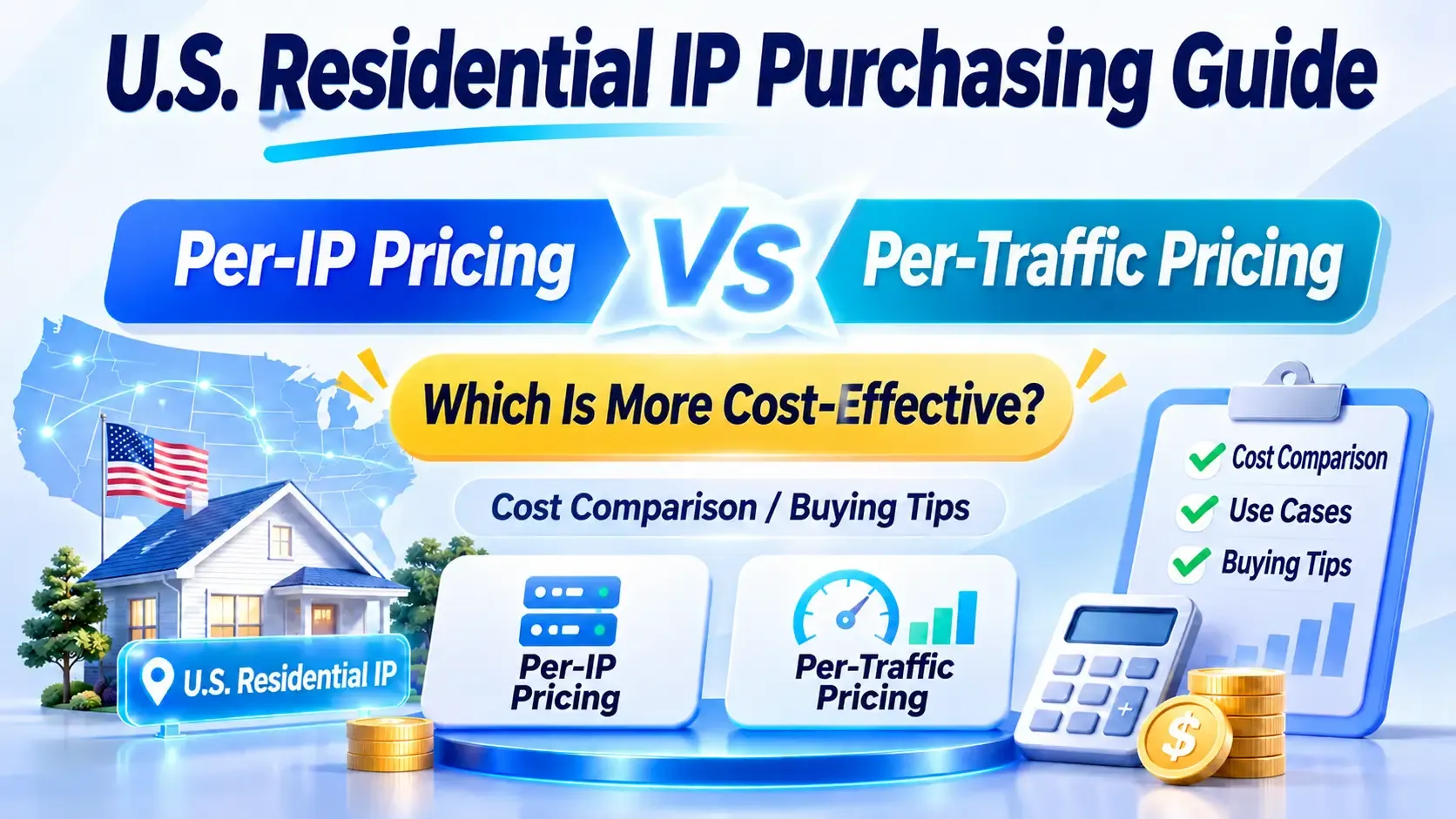
Clean IP picks: Static IPs from $1.5 each, Dynamic IPs from $0.5/GB


Teams running their own storefronts, selling digital products, or handling overseas business sometimes run into login verification, account reviews, or delayed payouts when they collect payments through PayPal and Stripe. Merchant credentials, transaction history, and bank account details are the obvious things to check — but the network environment the team works from every day is also worth a look.
Neither PayPal nor Stripe lists static residential IPs as a general requirement for opening an account or accepting payments. That said, for teams managing a payments dashboard over the long term, a fixed egress address and a stable connection cut down on the interruptions that come from switching networks, and make maintenance and troubleshooting easier later on.
1. What Do Cross-Border Payment Platforms Look For in a Network Environment?
An account security review covers several areas at once: registration details for the business entity, how the business actually operates, the devices used to sign in, transaction history, how goods or services are delivered, and the refund and dispute record. An IP address is one entry in the network access log — it can't decide the outcome of a review on its own.
Take a company registered in Hong Kong, China that serves customers in Europe and the US. Its staff may be spread across several countries or regions. That's common enough in cross-border operations, and in practice the authenticity of the business information, the permissions attached to the account, and how complete the supporting documents are matter more than making the IP's registered location line up on paper.
If the office network drops often, the egress address changes frequently, or dashboard actions time out, then it's worth checking the network configuration and line quality.
2. What Role Does a Static Residential IP Play in Cross-Border Operations?
A static residential IP typically carries residential broadband network attributes and keeps the egress address stable for the agreed service period. Compared with networks whose egress address changes often, it suits office setups that need a fixed network endpoint over the long term.
For a cross-border team, the practical value of a fixed egress shows up mainly in maintaining network configuration, diagnosing connection faults, and managing day-to-day access. Technical staff can keep an operations record built around a relatively stable network address, which cuts down on reconfiguration work caused by the egress changing.
Worth noting: a fixed IP doesn't mean the line quality is necessarily better. Latency, packet loss, how bandwidth is allocated, and peak-hour load all shape what you actually get.
Nor does a static residential IP fix business problems such as incomplete merchant documentation, a high dispute rate, or products that don't meet a platform's requirements — and it certainly can't stand in for a payment platform's own account security verification.
3. How Do PayPal and Stripe Differ in Account Management?
Both provide cross-border payment services, but the specifics of account management and business review are not the same.
| Area | PayPal | Stripe |
|---|---|---|
| Entity details | Account type, identity, and business information | Merchant entity, business credentials, and supported regions |
| Funds management | Transaction history, withdrawal accounts | Settlement bank, payment and payout records |
| Business review | Product information, fulfilment, transaction disputes | Website details, business type, refunds and disputes |
| Account security | Login verification, identity confirmation | Login verification, team member permissions |
| Network environment | A stable, secure connection | A stable, secure connection |
Neither platform publishes its full security review logic. So when a verification request or a payout problem comes up, check the platform's notices first, supply whatever they ask for or contact official support — rather than putting it down to the IP address straight away.
4. How Do Cross-Border Teams Keep an Office Network Stable?
For teams handling overseas orders, customer payments, and bookkeeping over the long run, there are two sides to work on: the network connection and account security.
Line stability should come first for an office network — avoid switching between networks while important work is in progress. When several people work together, give each member their own login credentials and the permissions that fit their role, based on what the platform supports, and turn on two-factor authentication.
When something looks off with the network, this command shows the current public egress details:
curl -s https://ipinfo.io/jsonThe response tells you the IP's registered region and the network provider behind it. Third-party IP databases can lag behind updates, though, so the result won't always match the real network conditions exactly.
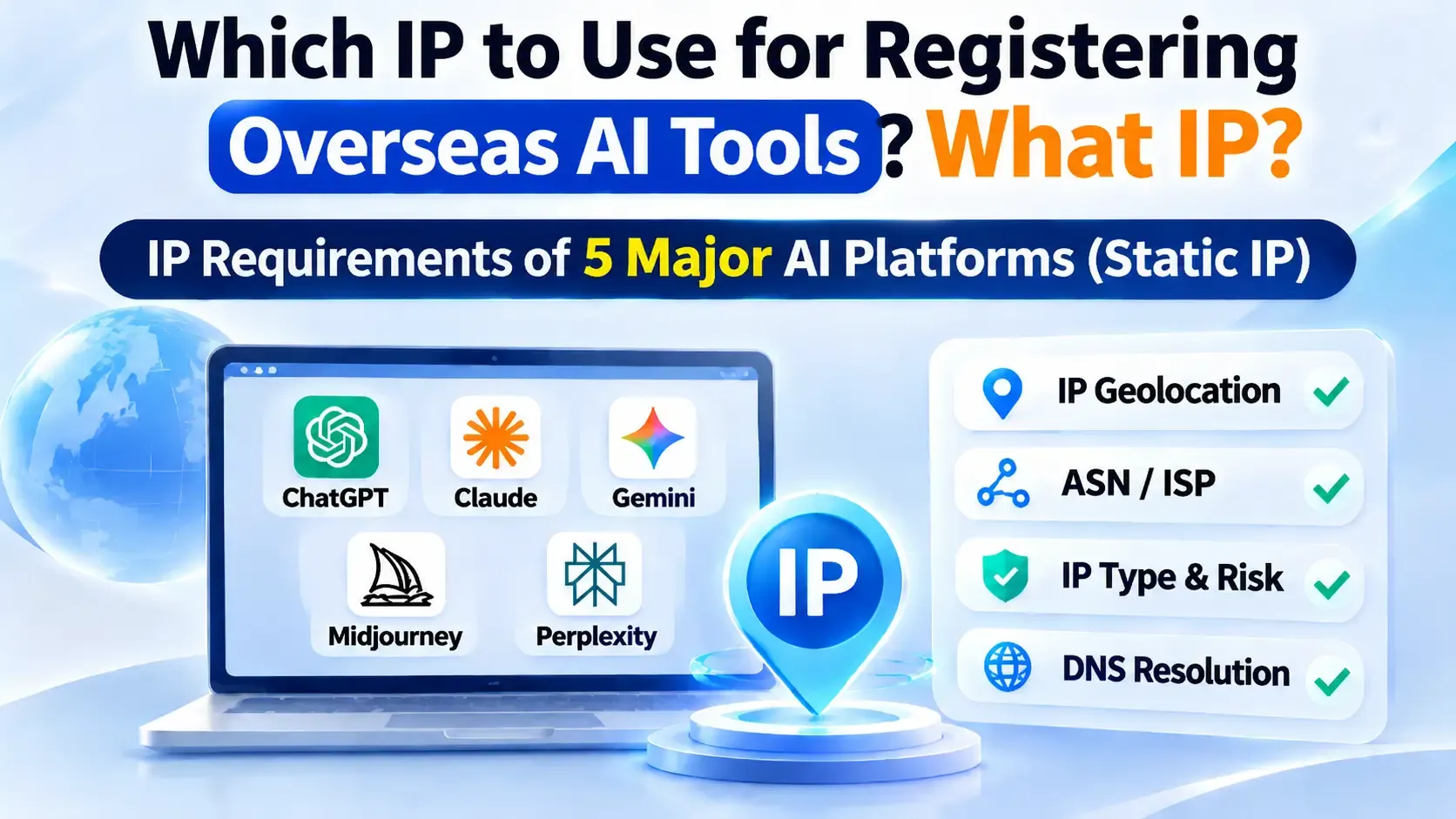
When checking line quality, weigh latency, packet loss, and actual transfer speed together. Device time zone, language, and account details, meanwhile, should be set to reflect how the business genuinely operates.
5. What Should You Look At When Choosing a Static Residential IP?
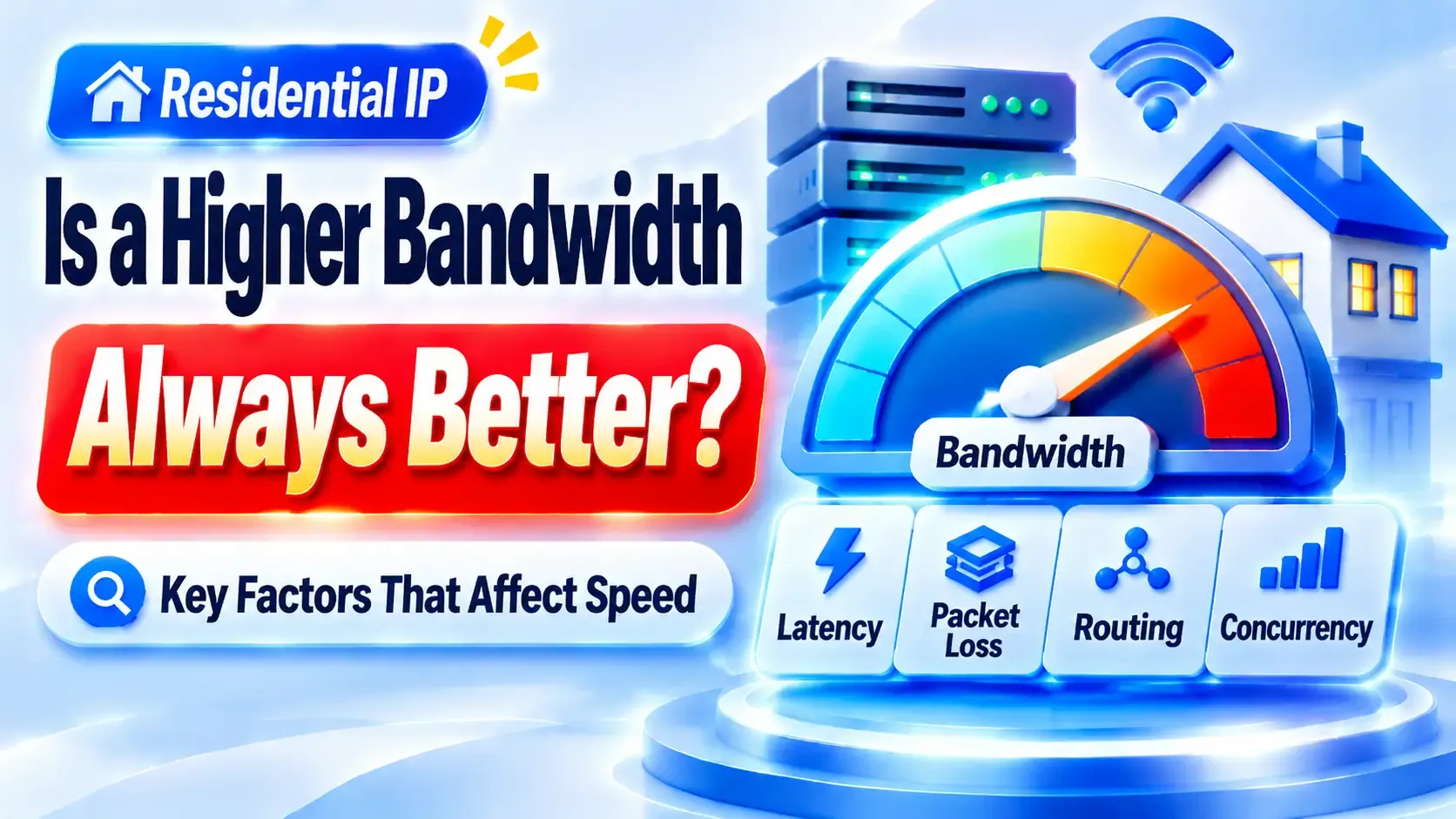
Bandwidth isn't the only metric worth weighing when buying a static residential IP. For teams that need a fixed egress over the long term, the address's validity period, how line resources are allocated, concurrency limits, and after-sales support all feed into the real cost of ownership.
Take 100Mbps as an example: the theoretical transfer rate is roughly 12.5MB/s, but actual speed is shaped by protocol overhead, rate limits on the target server, and congestion on cross-border links.
When looking at IPDEEP static residential IPs, match the product against where your team actually works, what the connection needs to handle, how long you'll need it, and what the plan documentation says. Specific resource allocation and service scope follow the product page. Where third-party payment services are involved, confirm those platforms' terms of use up front as well.
Common Questions
Do PayPal and Stripe require a static IP?
No. Neither lists static IPs as a general condition for accepting payments. Whether you need a fixed egress depends on your own network management requirements.
Is it normal to still get login verification notices after moving to a fixed IP?
Yes. Login verification can be triggered by a change of device, account security settings, or other circumstances. A fixed IP is no substitute for identity verification.
Is a static residential IP suitable for long-term office use?
For teams that need a fixed egress, it can be one of the network options. The actual experience depends on line quality, resource allocation, and service reliability.
Cross-border payments don't run on a network alone: they rest on complete and accurate merchant information, well-run business processes, and a dependable office network. A static residential IP addresses the need for a fixed network egress. Configure your network to suit your actual operations, and follow the payment platforms' rules.